
 E-Paper



Photos: Off the Emirates’ glittering coast, pearl trade lives on
Suwaidi Pearls is the only commercial pearl farm in the United Arab Emirates, at a time of increasing awareness of cultural traditions, such as falconry and camel racing, and efforts to promote and preserve them. No one dives commercially for pearls anymore but some people like Abdullah al-Suwaidi still do it for the love of it and to show tourists how it is done. Before the discovery of oil transformed the Gulf into one of the world's wealthiest regions, the fortunes of its people depended on pearling -- a tradition that Suwaidi hopes to revive.
Updated on: Nov 29, 2019 1:03 PM IST


Share via


Copy link

1/11
 View Photos in a new improved layout
Updated on Nov 29, 2019 1:03 PM
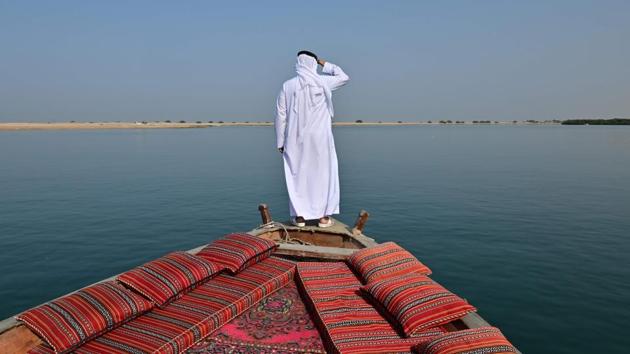
Emirati Abdullah al-Suwaidi watches the sea from his traditional dhow boat, at the Suwaidi pearl farm, off the coast of al-Rams in the northern emirate of Ras al-Khaimah, United Arab Emirates. Before the discovery of oil transformed the Gulf into one of the world’s wealthiest regions, the fortunes of its people depended on pearling -- a tradition that Abdullah al-Suwaidi hopes to revive. (Guiseppe Cacace / AFP)
2/11
 View Photos in a new improved layout
Updated on Nov 29, 2019 1:03 PM
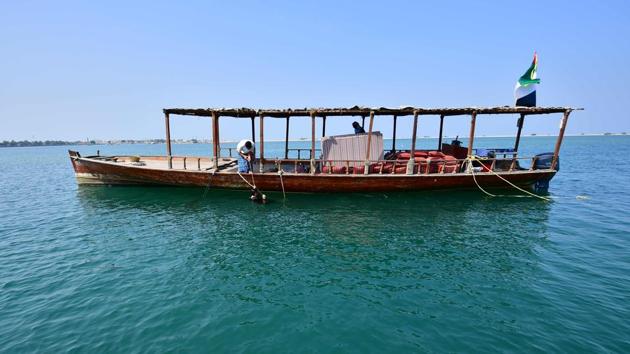
Many Emirati families can trace their ancestry to a time when they were involved in the pearl trade, which served as the foundation of their modern-day wealth. Although diving is no longer necessary in an era where they can be cultured, Suwaidi said that after the death of his grandfather he felt “socially, culturally and historically” responsible for passing the knowledge on. (Guiseppe Cacace / AFP)
3/11
 View Photos in a new improved layout
Updated on Nov 29, 2019 1:03 PM
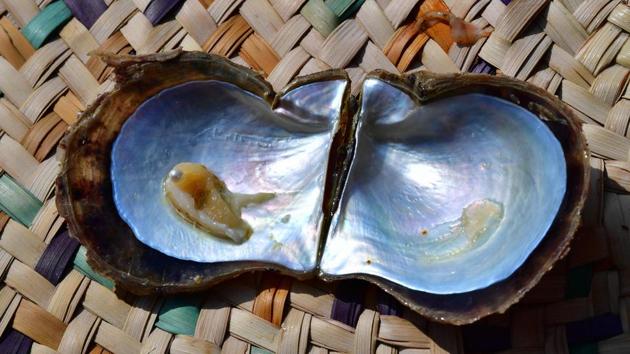
A pearl a pictured inside its shell at the Suwaidi pearl farm situated against a backdrop of mangroves, with camels grazing near the waterline on one side and mountains rising up on the other. Suwaidi Pearls is the only commercial pearl farm in the United Arab Emirates, at a time of increasing awareness of cultural traditions, such as falconry and camel racing, and efforts to promote and preserve them. (Guiseppe Cacace / AFP)
4/11
 View Photos in a new improved layout
Updated on Nov 29, 2019 1:03 PM
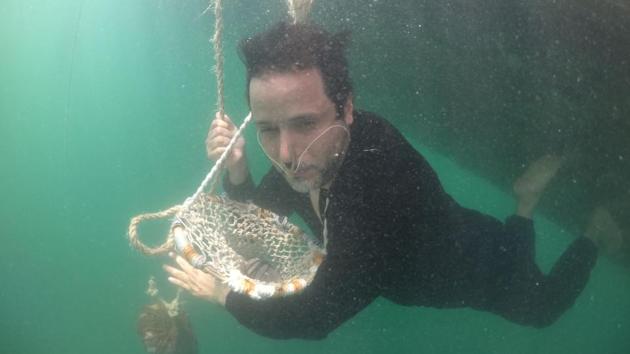
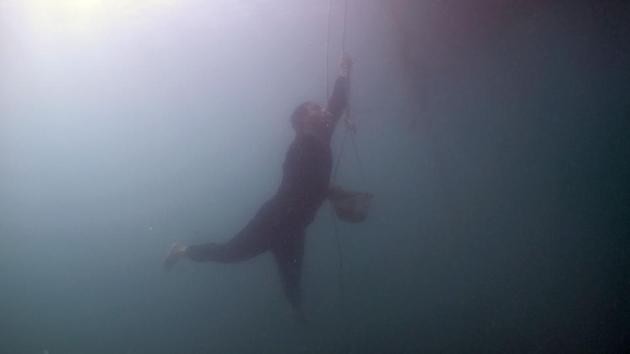
No one dives commercially for pearls anymore but some people like Suwaidi still do it for the love of it. Feet first, he jumps into the water to pick up oysters off the seabed, sinking to the seafloor -- weighed down by a rock attached to a rope -- where he starts to gather and pick up oysters and place them in a basket hanging from his neck. (Guiseppe Cacace / AFP)
5/11
 View Photos in a new improved layout
Updated on Nov 29, 2019 1:03 PM
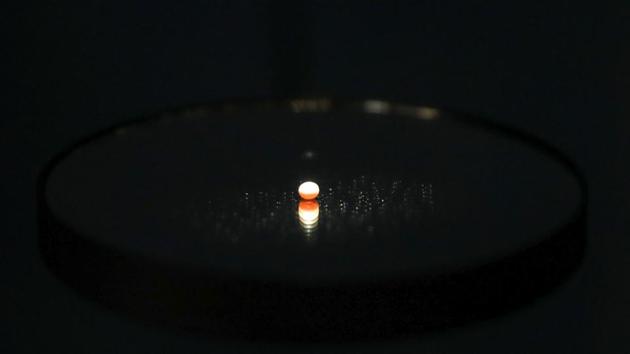
Last month, Abu Dhabi authorities announced that the world’s oldest natural pearl (pictured) had been discovered two years ago just off the capital at Marawah Island and would be displayed for the first time at the Louvre Abu Dhabi. The 8,000-year-old pearl was hailed as proof that the objects have been traded along the coastline since Neolithic times. (Christopher Pike / REUTERS)
6/11
 View Photos in a new improved layout
Updated on Nov 29, 2019 1:03 PM
The oysters live in cages suspended from buoys that float close to the shore. “I lived and grew up around my grandfather,” the 45-year-old told AFP. “He taught me a lot about pearl diving... because of my continuous stream of questions and requests for more information and stories of adventure.” (Guiseppe Cacace / AFP)
7/11
 View Photos in a new improved layout
Updated on Nov 29, 2019 1:03 PM
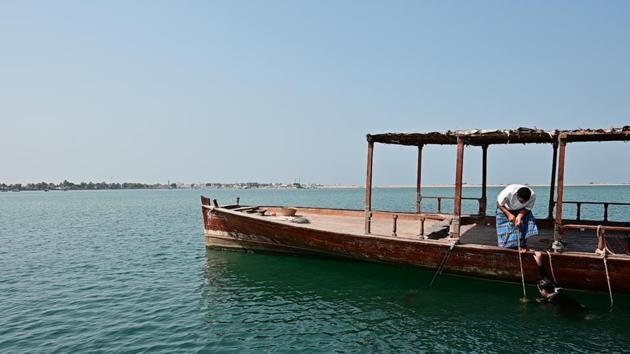
Abdullah al-Suwaidi is pictured inside the water near his dhow. Once done, between one and two minutes, he tugs at the rope, and his assistant pulls him up to the surface. His tools are simple: a sea rock that hangs off his foot to weigh him down, a nose plug or ftaim, and a basket. (Guiseppe Cacace / AFP)
8/11
 View Photos in a new improved layout
Updated on Nov 29, 2019 1:03 PM
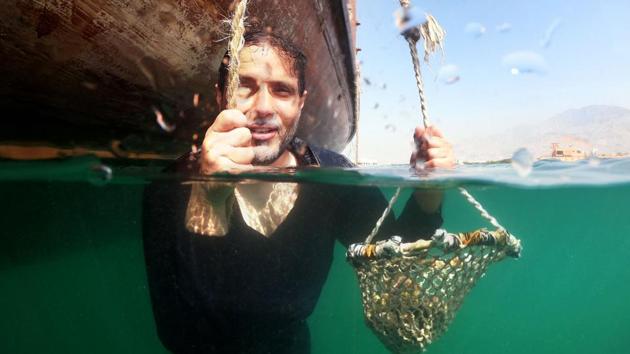
Abdullah al-Suwaidi with his haul. After being “seeded”, some 60% will produce pearls, compared with just one in 100 among wild oysters. But it is the same place where Suwaidi as a young boy would accompany his grandfather to dive for the sea’s natural treasures and it is that tradition which captivates him to this day. (Guiseppe Cacace / AFP)
9/11
 View Photos in a new improved layout
Updated on Nov 29, 2019 1:03 PM
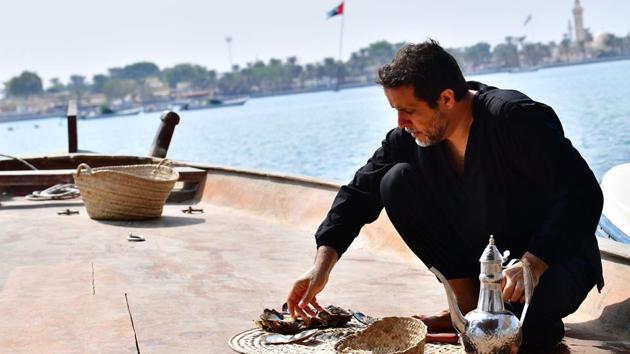
Abdullah al-Suwaidi open oysters to look for pearls. The pearl industry once underpinned the economy of the UAE but the trade collapsed in the 1930s with the advent of Japanese cultured pearls and as global conflicts made them an unaffordable luxury. While Suwaidi does sell his pearls to local and international designers, he says the venture is not merely aimed at making money. (Guiseppe Cacace / AFP)
10/11
 View Photos in a new improved layout
Updated on Nov 29, 2019 1:03 PM
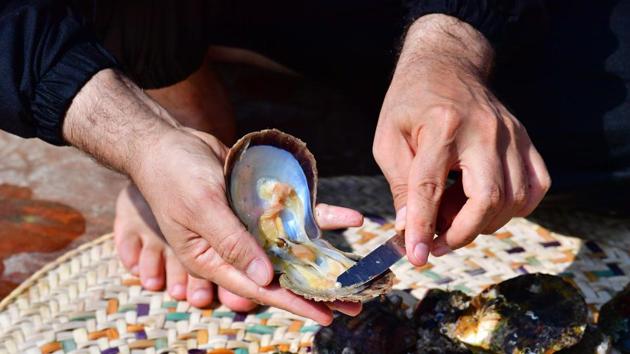
A pearl’s value depends on its size, shape, colour -- white, cream, grey, yellow, blue, lavender -- lustre, surface and nacre quality. They can be sold for anywhere between 200 AED ($55) and 50,000 AED ($13,612), according to Suwaidi. Round pearls tend to be most valuable, but pear, oval and irregular shaped ones are also sought after. (Guiseppe Cacace / AFP)
11/11
 View Photos in a new improved layout
Updated on Nov 29, 2019 1:03 PM


