
 E-Paper



Photos: On Hanoi’s Red River, a floating guesthouse for migrant workers
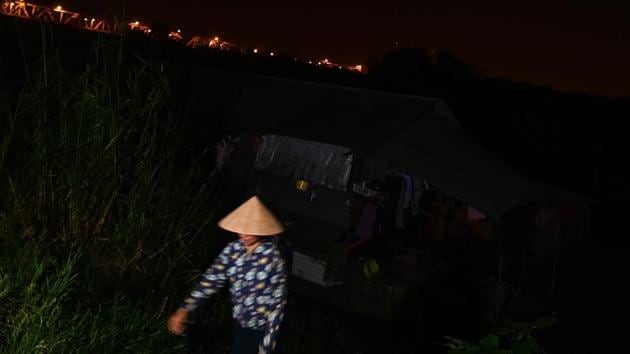
A boat in the Vietnamese capital of Hanoi, anchored on the Red River by the end of Ham Tu Quan Street in Hoan Kiem District for nearly 30 years, has become an ideal guesthouse for dozens of migrant workers trying to save on the modest yet substantial enough incomes they eke out in Hanoi that make leaving homes and families to become street vendors by day and cramped neighbours by night, tethered to the edge of this fast modernizing city worth the effort.
Updated on: Sep 13, 2019 1:52 PM IST

Share via


Copy link

1/10
 View Photos in a new improved layout
Updated on Sep 13, 2019 1:52 PM
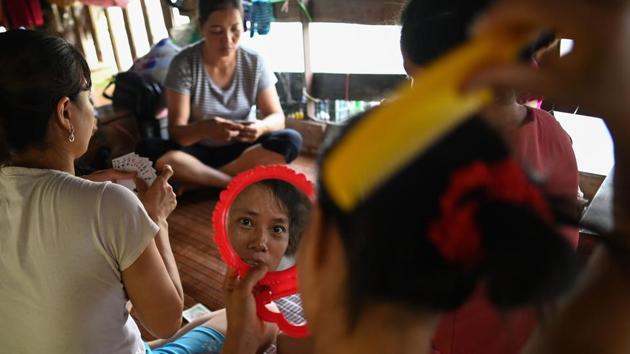
A Vietnamese migrant worker living in a floating guesthouse along the banks of the Red River in Hanoi, combs her hair as others play cards after the end of a day's work. Card games and karaoke help these workers pass the time on the cramped houseboats of the Red River, swapping their privacy to eke out a living selling fruit for a few dollars a day. (Manan Vatsyayana / AFP)
2/10
 View Photos in a new improved layout
Updated on Sep 13, 2019 1:52 PM
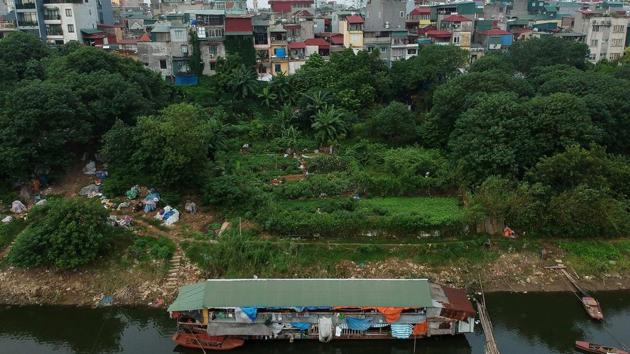
A floating guesthouse for migrant workers on the banks of the Red River. Temporary residents of these open-air boats have left the countryside in search of higher wages in the city. Wages in Vietnam’s cities are at least double those of the countryside in a nation where the World Bank says the average annual income is around $2,600. (Manan Vatsyayana / AFP)
3/10
 View Photos in a new improved layout
Updated on Sep 13, 2019 1:52 PM
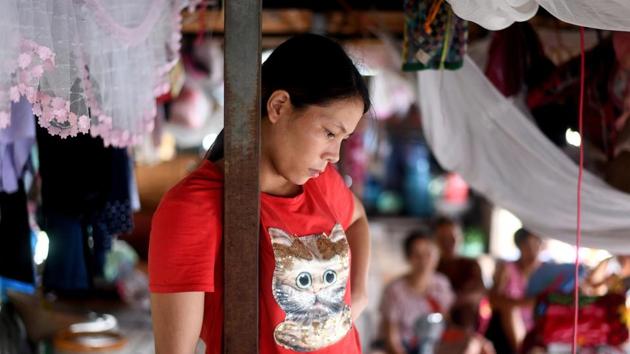
A migrant worker in a guesthouse. Life on a floating guesthouse can be tough. There is no electricity and no running water for the 40 US cents a night rent. Everyone sleeps on thin mats, exposed to the elements inside the open-sided boats, while privacy is non-existent with mosquito nets the only partitions between cramped living quarters. (Manan Vatsyayana / AFP)
4/10
 View Photos in a new improved layout
Updated on Sep 13, 2019 1:52 PM
Nguyen Thi Van, a migrant worker who has been living for the past two years in a floating guesthouse. Forgoing privacy and comfort, the migrant workers can earn up to $8 a day selling bananas, mangoes, dragon fruit and lemons on the back of bikes or in the market stalls of Vietnam’s bustling capital. (Manan Vatsyayana / AFP)
5/10
 View Photos in a new improved layout
Updated on Sep 13, 2019 1:52 PM
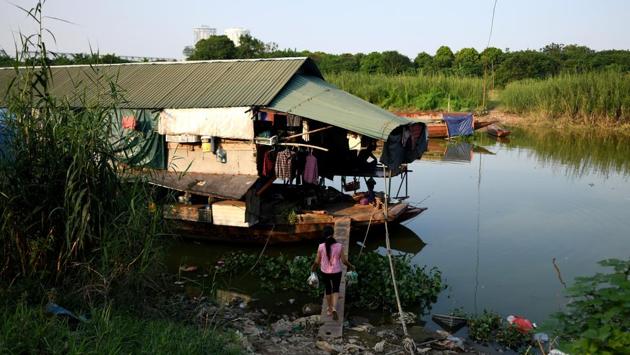
A woman carrying vegetables for dinner returns to the floating guesthouse where she lives. That’s $8 is four times what Nguyen Thi Hong earned at a rural garment factory. “I couldn’t earn enough money to raise my kids,” she said, explaining that her three children are back home with their father in Ba Vi, 60 kilometres from Hanoi. “So I moved here.” (Manan Vatsyayana / AFP)
6/10
 View Photos in a new improved layout
Updated on Sep 13, 2019 1:52 PM
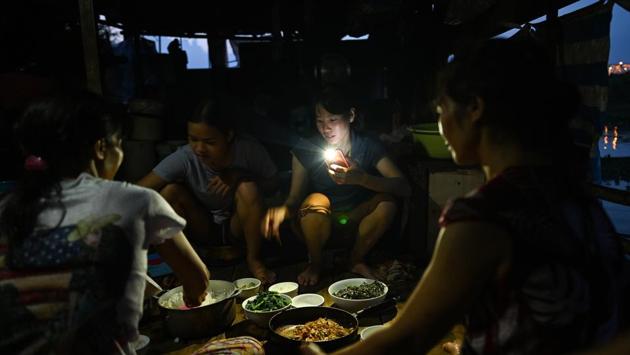
A migrant worker uses the torch light of her mobile phone as a group eats dinner at sunset. Every year, more than 260,000 migrants stream into Hanoi and the southern megacity of Ho Chi Minh City to study or work. Many take up temporary jobs in construction or as housekeepers, nannies and traders. (Manan Vatsyayana / AFP)
7/10
 View Photos in a new improved layout
Updated on Sep 13, 2019 1:52 PM
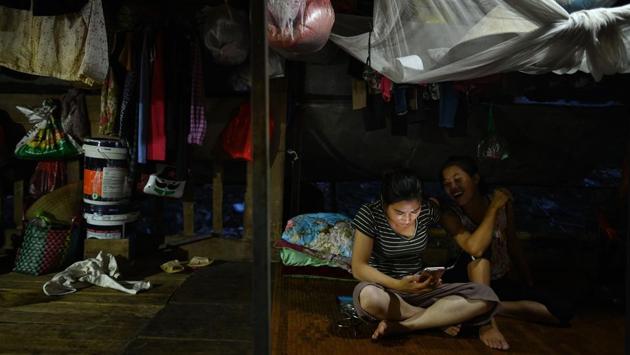
Women watch a video after having their meals at sunset. Such workers struggle to access “decent work and government services” and are vulnerable to sexual or labour abuse, said Nguyen Quoc Nam of the International Organization for Migration in Hanoi. (Manan Vatsyayana / AFP)
8/10
 View Photos in a new improved layout
Updated on Sep 13, 2019 1:52 PM
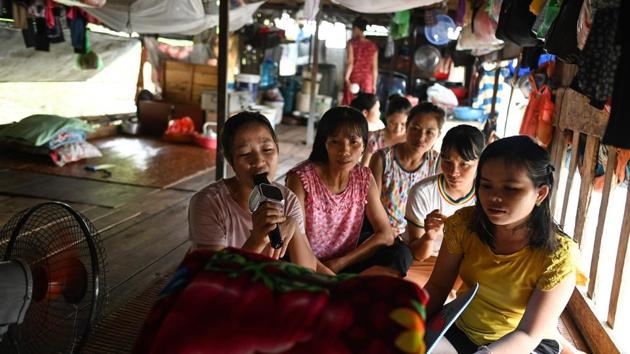
Nguyen Thi Hang (L), a migrant worker living for the past seven years in a floating guesthouse, singing karaoke along with other workers. But for many of the workers living on the Red River, the flexibility and camaraderie that comes with selling fruit brings fragments of comfort. (Manan Vatsyayana / AFP)
9/10
 View Photos in a new improved layout
Updated on Sep 13, 2019 1:52 PM
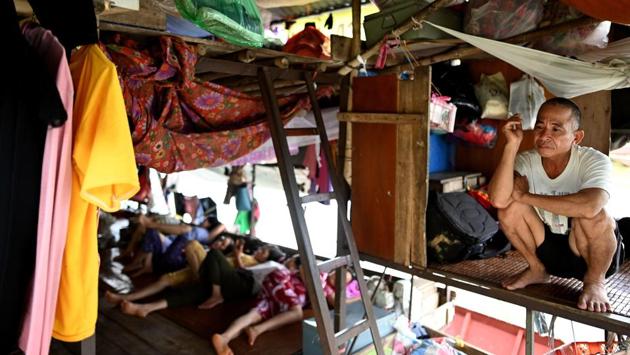
Han Van Hoa, living for the past 10 years in a floating guesthouse with his wife, smokes a cigarette as others take a nap after a day's work. “It’s a big home where we share our troubles with each other. If I’m in a pinch I can easily borrow money,” said 54-year-old market seller Han Van Hoa. (Manan Vatsyayana / AFP)
10/10
 View Photos in a new improved layout
Updated on Sep 13, 2019 1:52 PM


