
 E-Paper



Photos: Soweto’s rugby women look to Springboks for inspiration
The Soweto Rugby School Academy (SRSA), one of the three rugby schools of Soweto, a black township of Johannesburg housing more than 1.3 million people has around 250 students of age between 8 and 19, of which almost 50 are girls. The game has also given these girls the confidence they lacked in a society plagued by violence against women.
Updated on: Nov 11, 2019 10:36 AM IST


Share via


Copy link

1/9
 View Photos in a new improved layout
Published on Nov 11, 2019 10:36 AM
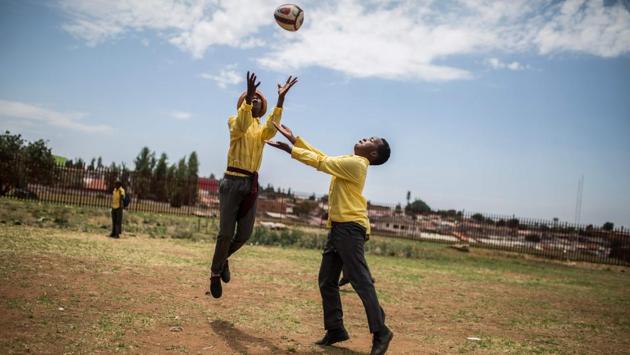
Players from the Soweto Rugby School Academy warm up before practice in Soweto. These players are part of the Soweto Rugby School Academy (SRSA), one of the three rugby schools of Soweto, a black township of Johannesburg housing more than 1.3 million people. Founded in 2016 the SRSA has some 250 students of age between 8 and 19, of which almost 50 are girls. (Guillem Sartorio / AFP)
2/9
 View Photos in a new improved layout
Published on Nov 11, 2019 10:36 AM
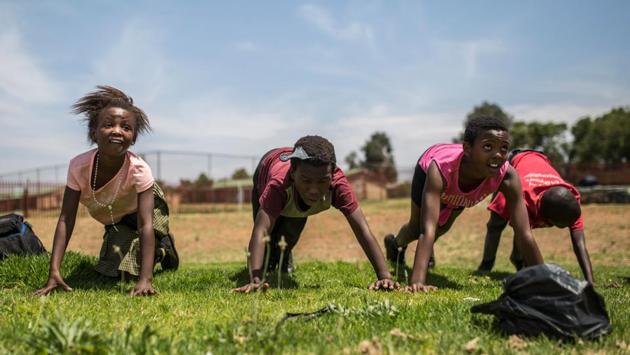
Female players from the Soweto Rugby Schools Academy perform pushups as part of their physical training at the Moletsane Sports Complex in Soweto. Khanyisile Makumbana knew she couldn’t miss the Springboks’ victorious parade through Soweto after their Rugby World Cup triumph in Japan. The 16-year-old plays rugby and was overcome with emotion as she watched a hugely symbolic trip through a neighbourhood where the rugby team was once reviled. (Guillem Sartorio / AFP)
3/9
 View Photos in a new improved layout
Published on Nov 11, 2019 10:36 AM
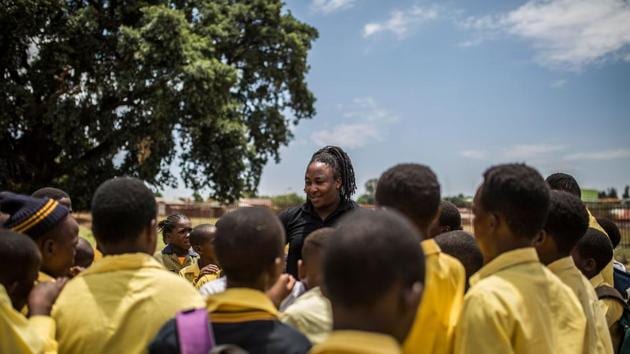
Chris Litau (C), coach of the Soweto Rugby School Academy addresses at his students from Prudence High School. Not so long ago black people, oppressed by the apartheid system, despised the Springboks, a team which for decades excluded non-whites. “The rugby team came to symbolise the arrogance of Afrikaner power,” says Bongani Dlamini, a retired teacher from Soweto. (Guillem Sartorio / AFP)
4/9
 View Photos in a new improved layout
Published on Nov 11, 2019 10:36 AM
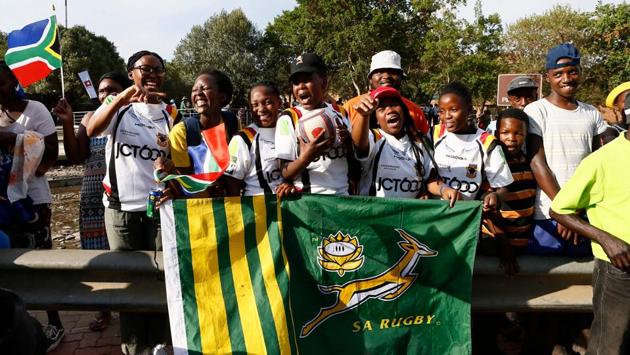
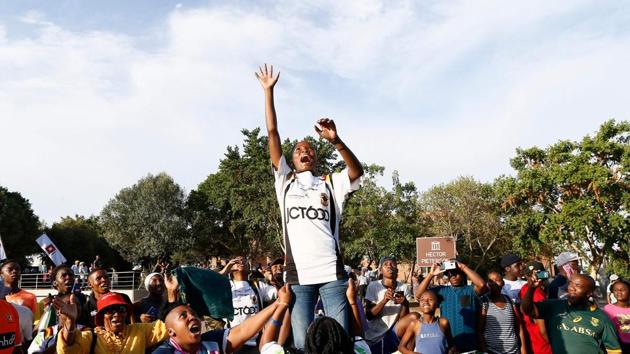
Girl rugby players from the Soweto Rugby School Academy sing as they wait for the national rugby team at the Hector Pieterson Museum. The sight of Mandela wearing a Bok shirt and handing South Africa captain Francois Pienaar the Webb Ellis Trophy after the 1995 World Cup final was iconic and immense in its own way. Last week, Yokohama took it to another level as the trophy was handed to Siya Kolisi, the first black player ever to captain South Africa in a test. (Guillem Sartorio / AFP)
5/9
 View Photos in a new improved layout
Published on Nov 11, 2019 10:36 AM
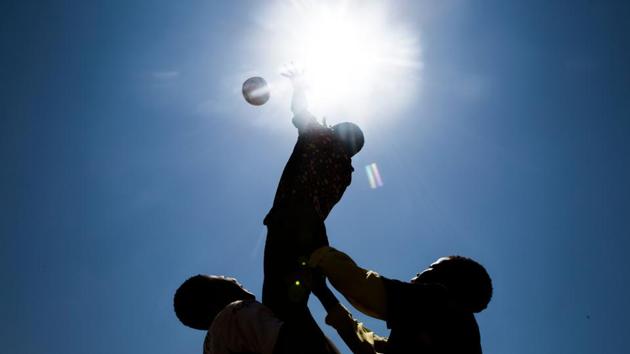
The team, forged by Kolisi on the field and coach Rassie Erasmus off it, feels like a team that truly represents the nation, prompting the #StrongerTogether motto and hashtag for the Boks in Japan. That togetherness was reflected by the presence of some white fans on the streets of Soweto. Peter Schultz wanted to bring his two children to witness “a new dawning”. “The team is finally representing more the nation. It is a fantastic transition,” he said. (Guillem Sartorio / AFP)
6/9
 View Photos in a new improved layout
Published on Nov 11, 2019 10:36 AM
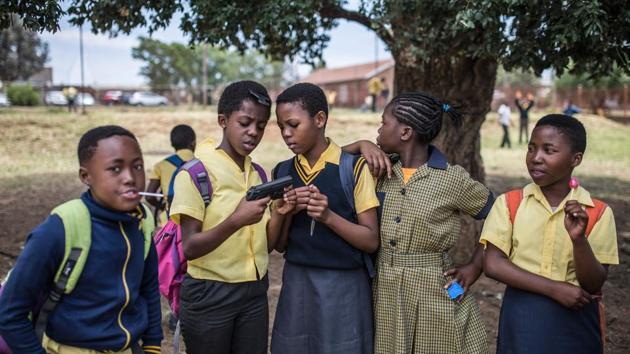
Players from the Soweto Rugby School Academy play with a toy gun before a practice session. Having Kolisi as captain “shows that rugby is not for whites only,” adds Makumbana, who plays at the Soweto Rugby School Academy (SRSA), one of only three rugby academies in a township where football is king. “I want to be Kolisi. I want to be part of the first female Springboks team,” she said. “If your head is into the right mindset, you can win.” (Guillem Sartorio / AFP)
7/9
 View Photos in a new improved layout
Published on Nov 11, 2019 10:36 AM
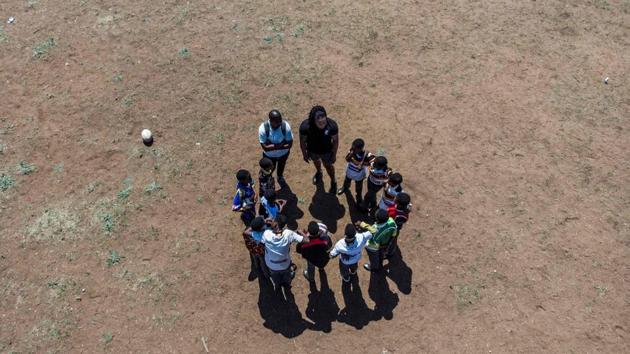
“He did not have a pair of rugby boots, they don’t have rugby boots. He had no food, these kids don’t have food,” said SRSA founder Chris Litau, whose team sometimes have to stop training because they don’t have drinking water. “We had to convince people who said rugby was only for whites,” he adds. (Guillem Sartorio / AFP)
8/9
 View Photos in a new improved layout
Published on Nov 11, 2019 10:36 AM
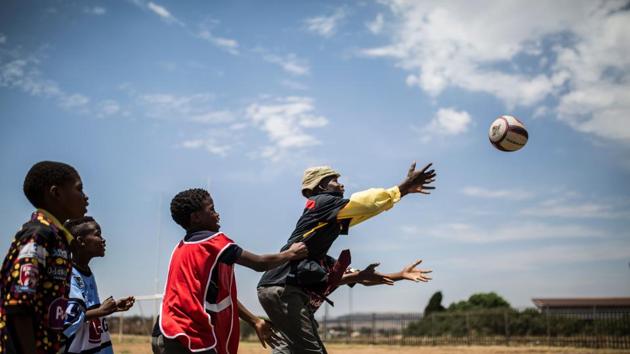
The oval ball has given these young Sowetans the confidence they lacked in a society plagued by violence against women. “Rugby allows you to kick, to shout, without being arrested,” says Makumbana, who was for a long time embarrassed about her masculine gait, but is now a person no one dares to harass. Daily life, however, remains complicated. Makumbana doesn’t have running water at home, while her mother, a cook, cannot afford a bus ticket to see her daughter play. (Guillem Sartorio / AFP)
9/9
 View Photos in a new improved layout
Published on Nov 11, 2019 10:36 AM


