
 E-Paper



Photos: Spotlight on Mali’s jihadist insurgency
For centuries, the Fulani people trod the paths of the Sahel with their cattle, largely unnoticed by the rest of the world. Today, the world's attention has turned to this ancient herding community as many of its members have been ensnared in a deadly jihadist insurgency spreading from Mali's restive north to its centre. The conflict has turned a once-peaceful tourist region into a no-go area for visitors, its highways sown with roadside bombs, and swathes of the countryside are littered with abandoned burned-out villages.
Updated on: Nov 7, 2019 12:08 PM IST


Share via


Copy link

1/8

 View Photos in a new improved layout
Updated on Nov 7, 2019 12:08 PM
A man who fought alongside Jihadists in Central Mali and that has now left his former group, poses at an undisclosed location where he lives in clandestinity. In the Mopti region, the Fulani -- also called Peuls -- are the biggest ethnic group and the most numerous recruits to Al-Qaeda-linked jihadist cells, such as the notorious Katiba Macina. (Marco Longari / AFP)
2/8
 View Photos in a new improved layout
Updated on Nov 7, 2019 12:08 PM
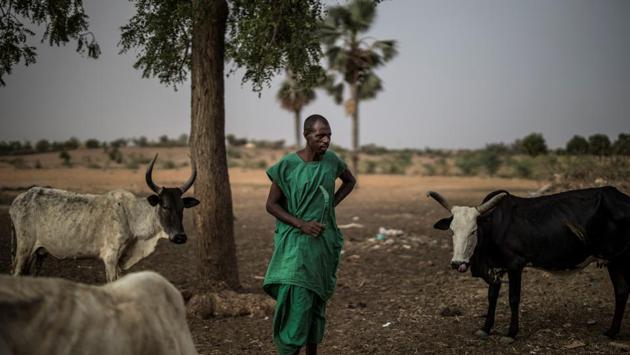
A Fulani herder tends to his cows at an informal camp in Banguetaba, on the outskirts of Sevare. For centuries, the Fulani people trod the paths of the Sahel with their cattle, largely unnoticed by the rest of the world. (Marco Longari / AFP)
3/8
 View Photos in a new improved layout
Updated on Nov 7, 2019 12:08 PM
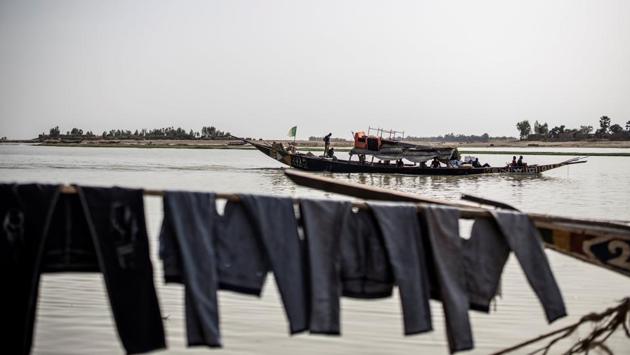
Laundry left to dry on the banks of the Niger river in Mopti, in central Mali’s Dogon region. Not too many years ago, well-heeled foreign visitors flocked to the so-called Venice of Mali. Today, Mopti finds itself surrounded by a sea of conflict and criminality that has left thousands of dead. According to UN figures, as many as 70,000 people in the region have fled their homes. (Marco Longari / AFP)
4/8
 View Photos in a new improved layout
Updated on Nov 7, 2019 12:08 PM
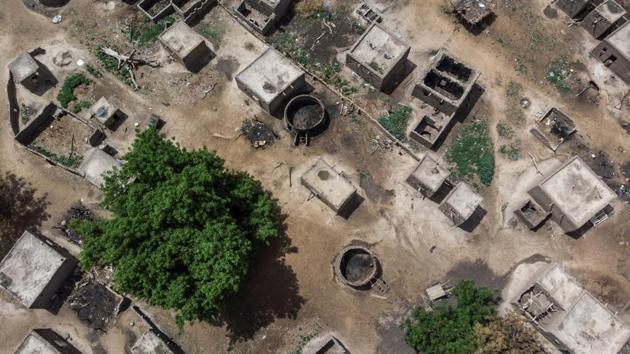
A view of the destroyed Fulani village of Bare, near Sadia Peulh. Today the world’s attention has turned to this ancient herding community as many of its members have been ensnared in a deadly jihadist insurgency spreading from Mali’s restive north to its centre. (Marco Longari / AFP)
5/8
 View Photos in a new improved layout
Updated on Nov 7, 2019 12:08 PM
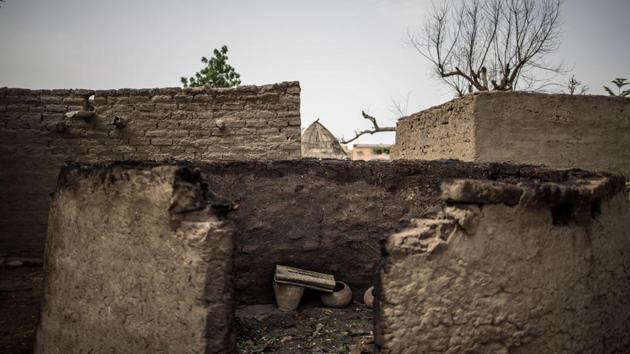
A view of a burned down hut in the destroyed Fulani village of Bare. Fulani leader Amadou Koufa has called on his “brothers” throughout West Africa to join his holy war against “non-believers”. (Marco Longari / AFP)
6/8
 View Photos in a new improved layout
Updated on Nov 7, 2019 12:08 PM
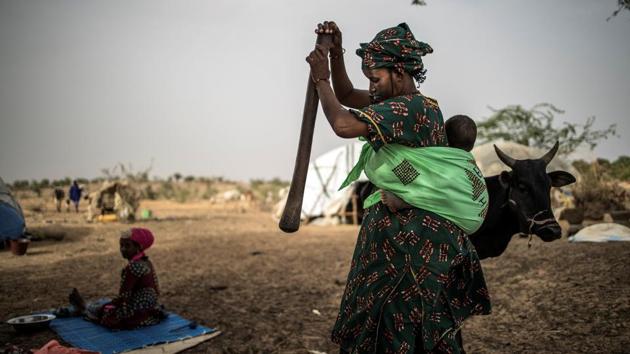
A Fulani woman pounds away in a mortar in an informal camp in Banguetaba. The deep poverty and isolation of the Fulani people have made many vulnerable to the siren call of the jihad -- an appeal that today is disseminated at lightning speed on WhatsApp and Facebook. (Marco Longari / AFP)
7/8
 View Photos in a new improved layout
Updated on Nov 7, 2019 12:08 PM
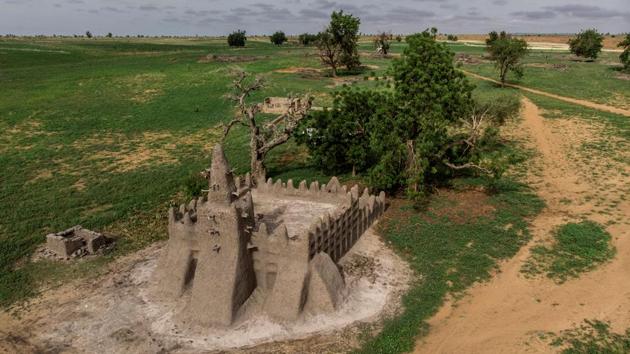
The herders’ prominent role in the jihadist revolt has ignited long-standing rivalries, based on access to land, with farmer groups. The conflict has turned a once-peaceful tourist region into a no-go area for visitors, its highways sown with roadside bombs, and swathes of the countryside are littered with abandoned burned-out villages. (Marco Longari / AFP)
8/8
 View Photos in a new improved layout
Updated on Nov 7, 2019 12:08 PM


