
 E-Paper



Photos: Without papers, Uighurs fear for their future in Turkey
China has faced growing international criticism for setting up facilities that United Nations experts describe as detention centres holding more than one million Uighurs and other Muslims. Beijing says it needs the measures to stem the threat of Islamist militancy, and calls them vocational training centres. Turkey is the only Muslim country that has regularly expressed concern about the situation in Xinjiang, due to its close cultural links with the Uighurs who speak a Turkic language. Some 15 Uighurs who spoke to Reuters said they expect Turkey to pay more attention to their plight and give them the permits to allow them to work and benefit from the healthcare system.
Updated on: Mar 29, 2019 9:55 AM IST

Share via


Copy link

1/15
 View Photos in a new improved layout
Updated on Mar 29, 2019 9:55 AM
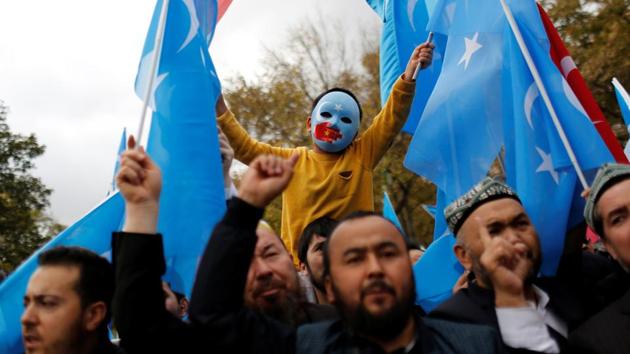
A masked Uighur boy takes part in a protest against China, at the courtyard of Fatih Mosque, a common meeting place for pro-Islamist demonstrators in Istanbul, Turkey. Without work or residency permits in Turkey and unable to renew their Chinese passports, Qurbanjan Nourmuhammed and his family live in uncertainty in Istanbul, cut off from their son who returned to Xinjiang three years ago. (Murad Sezer / REUTERS)
2/15
 View Photos in a new improved layout
Updated on Mar 29, 2019 9:55 AM
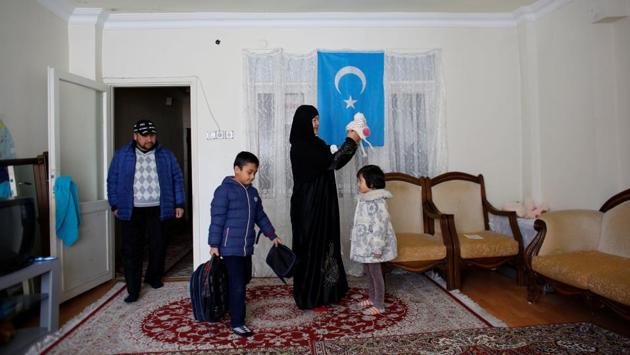
Qurbanjan Nourmuhammed and his wife Gulgine Mahmut get their children ready for school at their home in Istanbul. Nourmuhammed, his wife and five children came to Turkey in 2015, facing increased pressure from China to abandon Islamic practices such as wearing a headscarf, growing a beard and closing their restaurant for the Muslim holy month of Ramadan. (Murad Sezer / REUTERS)
3/15
 View Photos in a new improved layout
Updated on Mar 29, 2019 9:55 AM
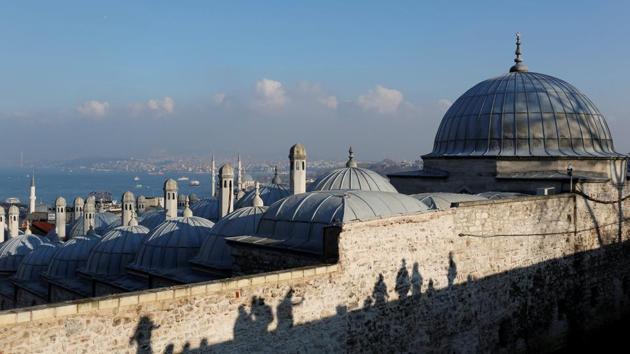
People cast their shadows on a wall as they look at a view of Bosphorus from the courtyard of the Suleymaniye Mosque in Istanbul. China has faced growing criticism for setting up facilities that UN experts describe as detention centres holding more than a million Uighurs and Muslims. Beijing says it needs the measures to stem the threat of Islamist militancy, and calls them vocational training centres. (Murad Sezer / REUTERS)
4/15
 View Photos in a new improved layout
Updated on Mar 29, 2019 9:55 AM
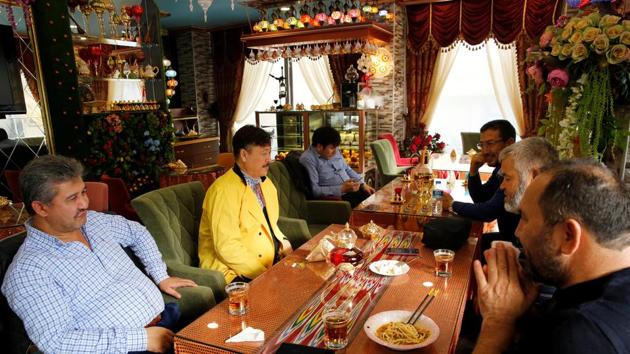
Chef Mohammed Siddiq chats with guests at his traditional Uighur restaurant in the Zeytinburnu district, which hosts most of the Uighur exiles. Ismail Cengiz, founding secretary general of the Istanbul-based East Turkestan National Center, said that some 35,000 Uighurs live in Turkey, which has been a safe haven for them since the 1960s. (Murad Sezer / REUTERS)
5/15
 View Photos in a new improved layout
Updated on Mar 29, 2019 9:55 AM
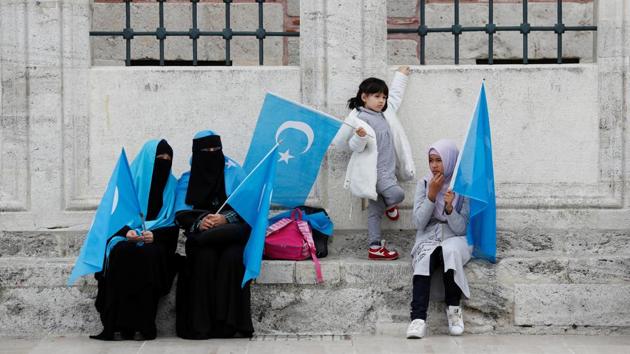
Uighur women hold East Turkestan flags at the courtyard of Fatih Mosque. Turkey is the only Muslim country that has regularly expressed concern about the situation in Xinjiang, due to its close cultural links with the Uighurs who speak a Turkic language. (Murad Sezer / REUTERS)
6/15
 View Photos in a new improved layout
Updated on Mar 29, 2019 9:55 AM
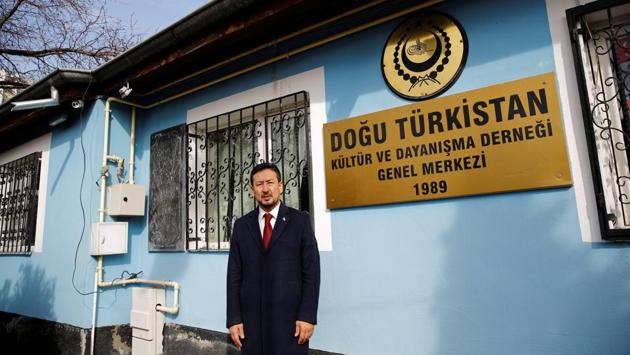
Seyit Tumturk in front of the headquarters of East Turkestan Culture and Solidarity Association in Kayseri, Turkey. While Uighurs had no problems in Turkey until three or four years ago, Ankara’s security concerns and stronger ties with Beijing reversed that trend, said Tumturk, president of a rights organisation called the National Assembly of East Turkestan, the name that Uighur exiles use for Xinjiang. (Murad Sezer / REUTERS)
7/15
 View Photos in a new improved layout
Updated on Mar 29, 2019 9:55 AM
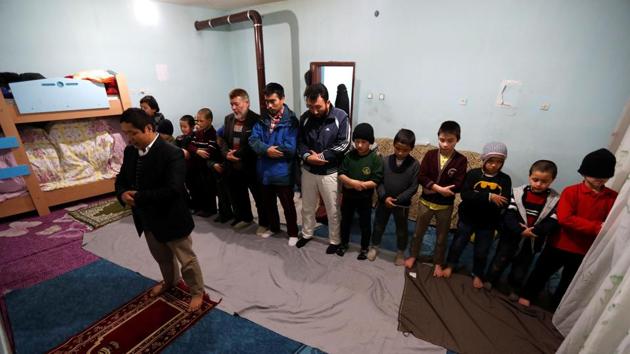
Uighur men and boys perform their evening prayers led by Ruz Mohammed, known as Hafiz Bilal, in a madrasa, in Kayseri. Perceptions of Uighurs suffered after some went to fight with jihadists against President Bashar al-Assad’s forces, because of the Syrian government’s close ties with Beijing, Tumturk said, adding China has ramped up pressure since then. (Murad Sezer / REUTERS)
8/15
 View Photos in a new improved layout
Updated on Mar 29, 2019 9:55 AM
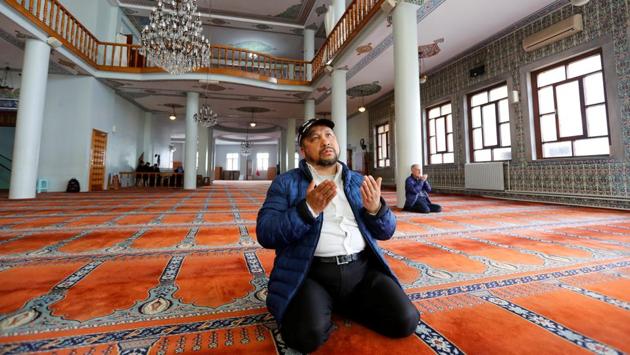
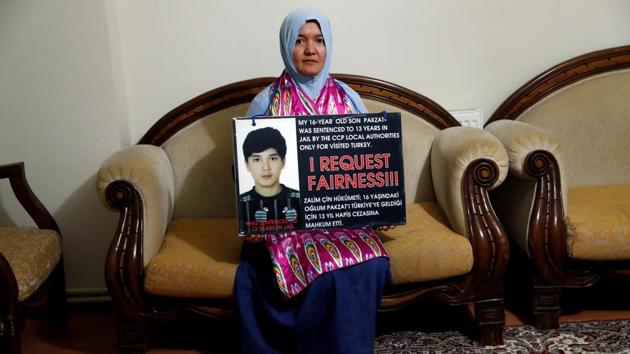
Qurbanjan Nourmuhammed prays at a mosque in Istanbul. Nourmuhammed has not heard from his son Pakzat since he went back to Xinjiang in 2016 to visit his grandparents. A friend of Pakzat’s told Nourmuhammed that Pakzat was detained upon arrival. He believes the government accuses him of having links with extreme Islamists. (Murad Sezer / REUTERS)
9/15
 View Photos in a new improved layout
Updated on Mar 29, 2019 9:55 AM
The Xinjiang government did not respond to a request for comment. The family regularly attends protests around Turkey in the hopes of having their voices heard. “When my son was arrested, he was only a 16-year-old kid. His younger siblings ask us constantly when they’ll be united with their older brother,” Pakzat’s mother Gulgine Mahmut said. “I don’t believe he was involved in a crime, I think he was falsely accused.” (Murad Sezer / REUTERS)
10/15
 View Photos in a new improved layout
Updated on Mar 29, 2019 9:55 AM
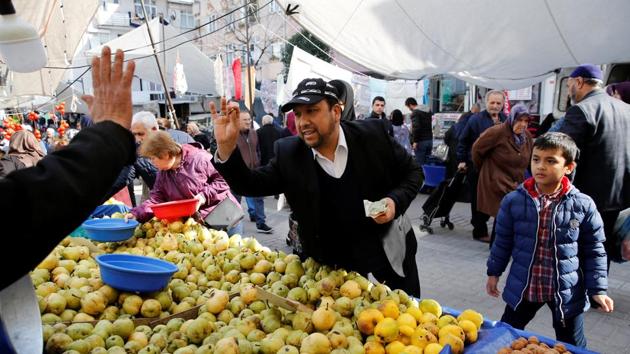
Nourmuhammed is unemployed as he waits for a residency permit he applied for in 2017 to be approved. Gulgine and their four children have been issued with permits, which risks tearing the family apart if Nourmuhammed is deported. Their family in Xinjiang asked not to be contacted due to fears that the government will associate them with jihadists. (Murad Sezer / REUTERS)
11/15
 View Photos in a new improved layout
Updated on Mar 29, 2019 9:55 AM
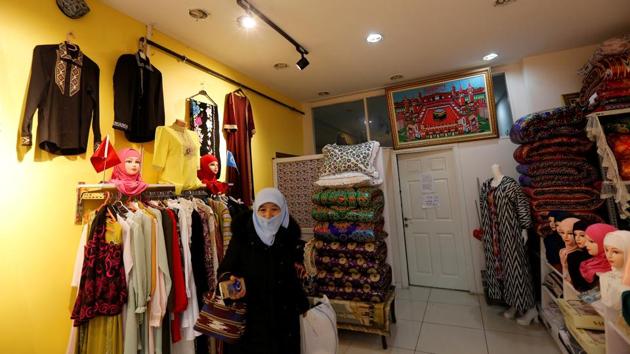
Munevver Ozuygur is seen at a store which belongs to the East Turkestan Nuzugum Culture and Family Foundation in Istanbul. Uighurs also cannot renew their Chinese passports at the local embassy when they expire and they are only given a document that will allow them to return to China, said Munevver Ozuygur, President of the Foundation. (Murad Sezer / REUTERS)
12/15
 View Photos in a new improved layout
Updated on Mar 29, 2019 9:55 AM
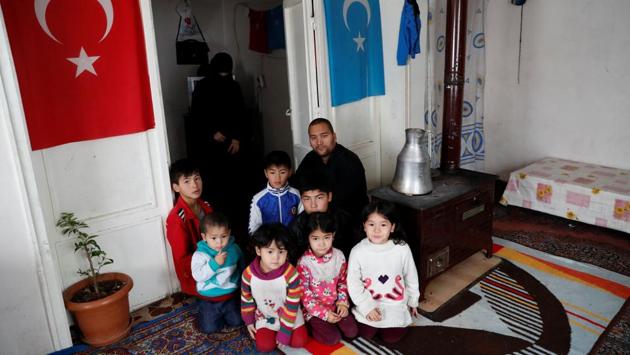
Abdulaziz Abdulvahid, a 39-year-old Uighur man who has health problems and survives on Red Crescent aid, with his wife and seven children at their home in Kayseri. Some 15 Uighurs who spoke to Reuters said they expect Turkey to pay more attention to their plight and give them the permits to allow them to work and benefit from the healthcare system. (Murad Sezer / REUTERS)
13/15
 View Photos in a new improved layout
Updated on Mar 29, 2019 9:55 AM
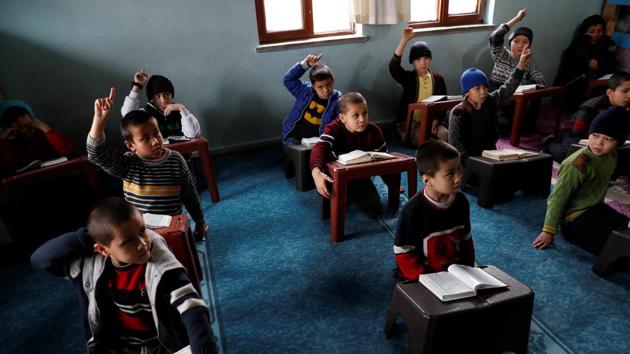
Uighur boys who have lost at least one parent, raise their hands during a Koran class in a madrasa. “Not all of the people whose passports have been labelled as risky... are problematic people,” Tumturk said. “People who can’t retrieve a required document from China can experience the same issue.” (Murad Sezer / REUTERS)
14/15
 View Photos in a new improved layout
Updated on Mar 29, 2019 9:55 AM
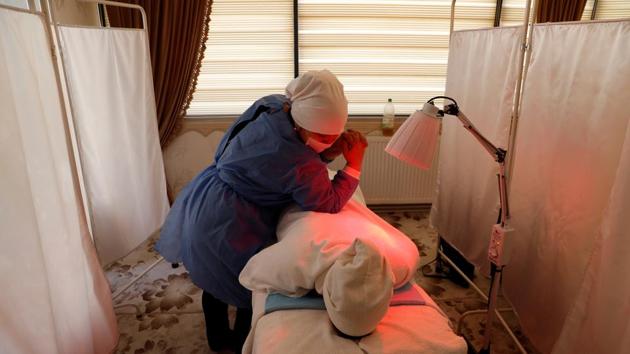
Gulgine Idris, an Uighur reflexologist, treats a patient at a health centre in Istanbul, Turkey. Cengiz said many Uighurs had begun to fear they may be sent back to China. “Turkey was seen as the only country that could stand up to China. In the past year, they have been fearing for their existence in Turkey,” he said. (Murad Sezer / REUTERS)
15/15
 View Photos in a new improved layout
Updated on Mar 29, 2019 9:55 AM


