
 E-Paper



Photos: Wuhan’s wet markets open amid criticism, low footfalls
Shut down during the 76-day lockdown in Wuhan, the wet food markets are now open, drawing much criticism globally, but also struggling to survive as customers haven't been shopping there in large numbers. Wet markets are the go-to destinations for fresh meat, vegetables and fish across Asia -- most selling common, everyday produce at affordable prices.
Updated on: Apr 17, 2020 4:01 PM IST


Share via


Copy link

1/9
 View Photos in a new improved layout
Updated on Apr 17, 2020 4:01 PM
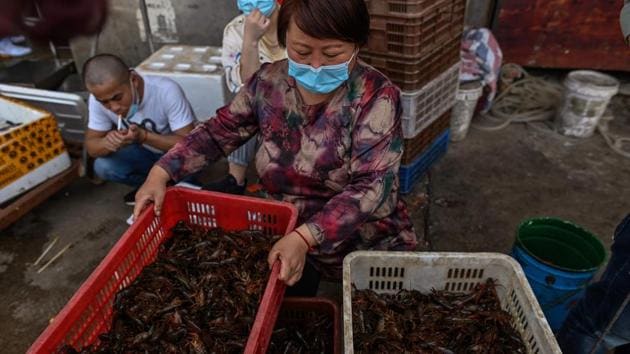
A woman wears a face mask as she sells prawns at the Wuhan Baishazhou Market in Wuhan, on April 15. China's central Hubei province. China’s “wet markets” have been slammed internationally as the coronavirus roils the world, with the disease having seemingly emerged from stalls selling live game in Wuhan late last year, according to an AFP report. (Hector RETAMAL / AFP)
2/9
 View Photos in a new improved layout
Updated on Apr 17, 2020 4:01 PM
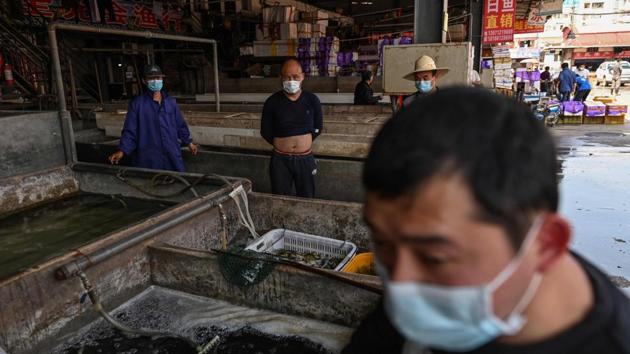
The Wuhan market shut in January and the Chinese authorities enforced a temporary ban on all wildlife trade. While that ban still holds, the wet markets have now opened for business. (Hector RETAMAL / AFP)
3/9
 View Photos in a new improved layout
Updated on Apr 17, 2020 4:01 PM
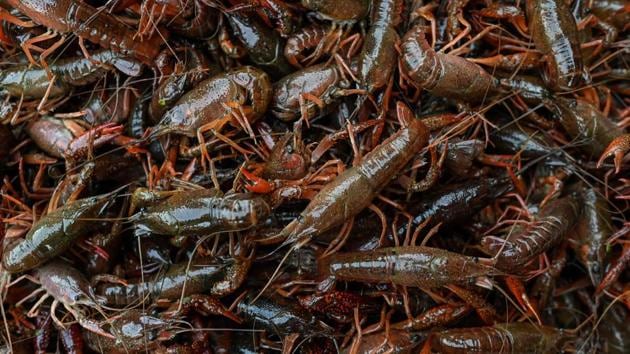
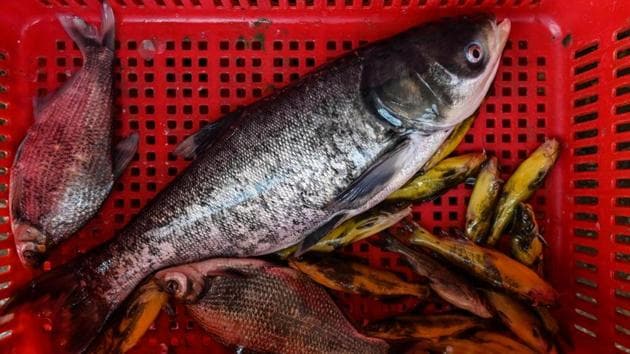
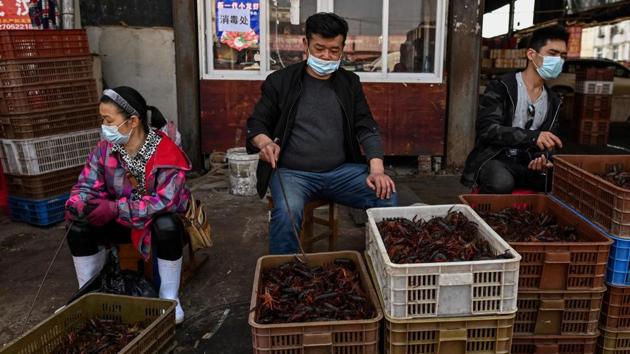
Prawns for sale at a shop at the Wuhan Baishazhou Market in Wuhan in China's central Hubei province, on April 15. During visits to three Wuhan markets this week, AFP saw live turtles, frogs, fish and crustaceans for sale, but no fowl or mammals blamed for past diseases. (Hector RETAMAL / AFP)
4/9
 View Photos in a new improved layout
Updated on Apr 17, 2020 4:01 PM
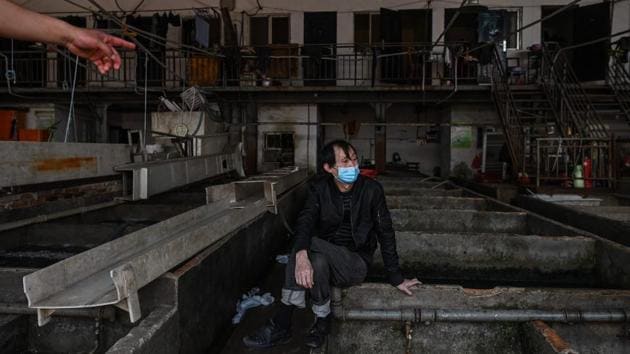
Workers at Baishazhou said they were now required to disinfect their stalls several times a day. Yang keeps multiple bottles of disinfectant in her small office, alongside a box of masks, AFP reported. (Hector RETAMAL / AFP)
5/9
 View Photos in a new improved layout
Updated on Apr 17, 2020 4:01 PM
While the World Health Organization has said governments must ban the sale of exotic wildlife and enforce food safety regulations, it has not called for any wet markets to be closed. (Hector RETAMAL / AFP)
6/9
 View Photos in a new improved layout
Updated on Apr 17, 2020 4:01 PM
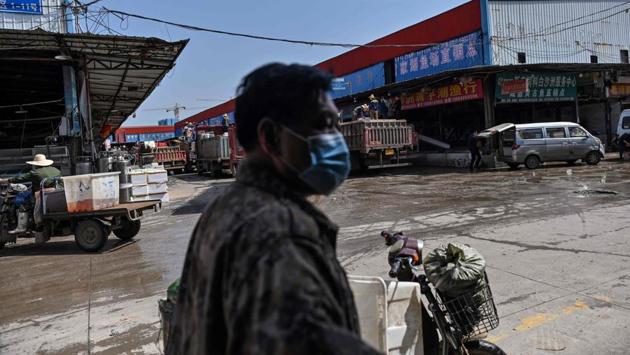
Low foot traffic at the market, which has locked all but one entrance and only allows customers in after a temperature check, remains their main concern. (Hector RETAMAL / AFP)
7/9
 View Photos in a new improved layout
Updated on Apr 17, 2020 4:01 PM
People in China traditionally prefer buying fresh food — as opposed to frozen or packaged food — although supermarkets have been vying to steal away consumers in recent years. (Hector RETAMAL / AFP)
8/9
 View Photos in a new improved layout
Updated on Apr 17, 2020 4:01 PM
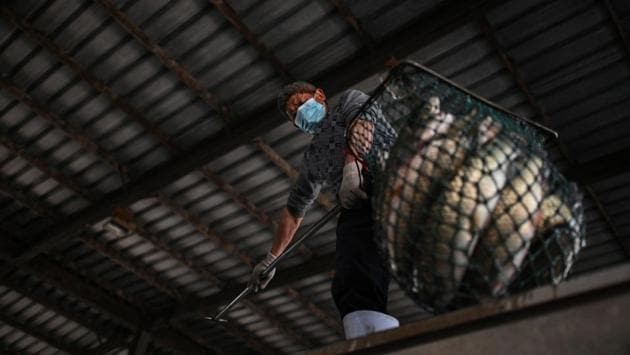
Vendors at Wuhan’s markets say unaffordable rents and the lingering effects of the citywide shutdown are more immediate concerns than the threat of contagion, as reported by AFP. (Hector RETAMAL / AFP)
9/9
 View Photos in a new improved layout
Updated on Apr 17, 2020 4:01 PM


