
 E-Paper



76-yr-old Punekar relives her ‘lights, camera, action’ moments through a rare 40s film acquired by NFAI
Pune’s Chaya Ramchandra Harolikar recalls the film Vande Mataram, made six months after India’s Independence


Chaya Amod Parasnis nee Chaya Ramchandra Harolikar, 76, cannot believe that 35 minutes of rare footage of her first film, Vande Mataram, made six months after India’s Independence, has been acquired by National Film Archive of India (NFAI). The film was donated by film historian Satish Jakatdar.
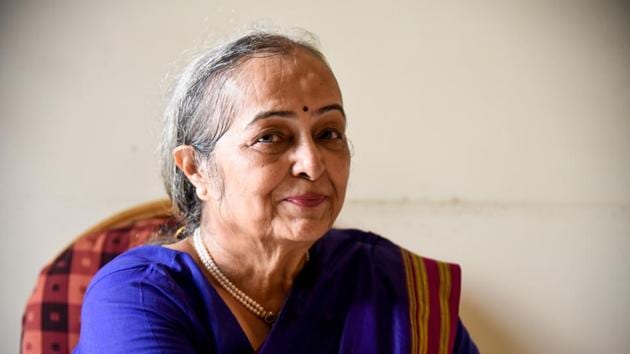
“I was four-year-old when I starred in the film, and I cannot wait to watch it again,” says Harolikar.
A small advertisement in a Kolhapur newspaper made Harolikar’s cousins take her for the audition. “The advertisement stated that director Ram Gabale has been looking for a four-year-old girl for a role in his film. So, my eldest cousin took us to Mane Mansion where the audition was taking place. There we met Gabale, GD Madgulkar, Sudhir Phadke, Anant Dhumal and PR Bhide, who was the producer of the film,” recalls Harolikar’s older sister Vijaya.
Harolikar said, “Gabale gave me a few dialogues, which I memorised and presented it. I was immediately selected for the role.”
Harolikar recalls that the film took eight months to complete and Sunita Deshpande, PL Deshpande’s wife, played her aunt in the film.
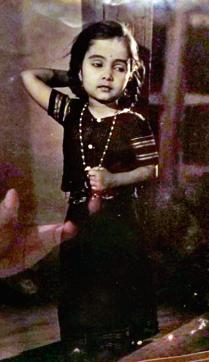
“Most of my scenes were with her and PL Deshpande. We mostly shot indoors at Shalini Palace in Kolhapur. I also got to ride a horse,” says Harolikar as she ponders over her old photograph which was taken during the shoot, where she is dressed in traditional parkar polka.
She also was pampered on the sets, so much so, that Gabale gave her a set of anklets which was worn during the shooting of a Lavani song.
The film Vande Mataram is considered important as the story was based on India’s freedom movement and had the script, dialogue and lyrics by renowned writer Madgulkar whereas the music was composed by Phadke. The project was released only a year after independence and presented narratives woven with patriotism and humanist affection.
Harolikar said, “My family was invited for the premiere which was held at Shri Krishna Talkies in Pune. Everyone was excited as I was the first one in the family who acted in a film.”
However, the film was released after a few hiccups as the censor board gave Gabale a tough time. “1/4 of the film was cut by the censor board as the film was based on the freedom movement in 1942, before India got Independence. Some Britishers were still a part of the censor board who were not pleased to see such a film being made just six months post-Independence,” said Jakatdar.
Harolikar later worked in films like Dhudh Bhaat and Dev Bappa, but later continued acting in theatre.


