
 E-Paper



Concrete steps needed for inclusive growth of Indian Muslims: Abdur Rahman, IPS officer and author
His book presents and discusses the current conditions with respect to outcome indicators such as population, education, economy, poverty and unemployment


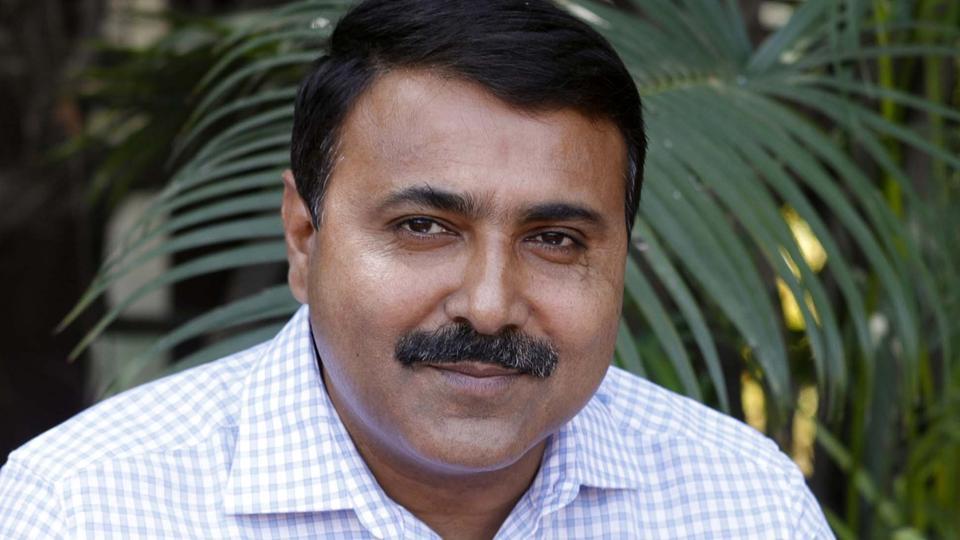
Indian Police Service (IPS) Officer Abdur Rahman, 46 talks about his new book ‘Denial and Deprivation: Indian Muslims after the Sachar Committee and Rangnath Mishra Commission Report ’. Rahman has earlier served as an additional commissioner ( administration), Pune police, government railway police superintendent and also deputy inspector general ( wireless department ). This book presents and discusses the current conditions with respect to outcome indicators such as population, education, economy, poverty and unemployment.
What inspired you to write this book ?
This book is a result of three years of continuous writing. The Sachar committee report was submitted to the government in November 2006 and the Rangnath Mishra commission Report in May 2007. After these two reports, several community organisations, NGOs and community activists have been making tireless efforts to fathom the level of implementation of these reports. However, there was no clear picture. Worsening condition, marginalisation of Muslims and pathetic state of implementation of policies compelled me to think deeply. This proved to be an initial inspiration and encouragement to write this book.
Can you tell us something about the book?
The book attempts to gauge and analyse the level of denial and deprivation faced by the Indian Muslims, so far, by presenting their correct situation after 12 years of these two reports. It presents and discusses the current conditions with respect to outcome indicators such as population, education, economy, poverty, unemployment, availability of bank loans, infrastructure and civic facilities and representation in government employment. By placing facts in perspective, it also discusses community-specific issues such as Urdu, Madrasa and Waqf (an endowment made by a Muslim to a religious, educational, or charitable cause). It presents the social structure of Muslims, presence of Dalits and suggests a practical pattern for reservation.It presents the lopsided attitude of the UPA governments, indifferent attitude of successive governments towards issues of socio-economic empowerment and accelerated marginalization of Muslims in today’s rapidly changing scenario.
What is the future road map for the educational empowerment of Muslims?
A road map on what needs to be done at all levels- state, community and individual has been emphatically suggested in the light of level of deprivation, marginalisation and intellectual observations. My effort is to create a perception where Muslims’ problems could be treated as national problems. The book emphasises the need to take ‘concrete steps for inclusive growth and mainstreaming of the community. In the present scenario, it appears to be a consensus among all political parties to not address concerns of Muslims. Even media, scholars and political commentators do not show any interest to highlight the development deficits of Muslims and the alienation they face. The situation is going from bad to worse and experts say that if this situation persists, Muslims will soon become the neo-Dalits of the Indian society.


