
 E-Paper



‘In post-Covid scenario, FTII doing all it can to excel in the digital domain’
At the Film and Television Institute of India (FTII), situated as it is, a Pune landmark on Law College road, with a rich and varied history and legacy, the lockdown opened up in July. The JET results are expected to be announced by September 15, 2020. Other than that, Bhupendra Kainthola, director, FTII, believes the institute is ready to ensure quality education in cinema in the year to come


At the Film and Television Institute of India (FTII), situated as it is, a Pune landmark on Law College road, with a rich and varied history and legacy, the lockdown opened up in July. That is, in terms of evaluating joint entrance test (JET 2020); in terms of structure and method of teaching for the three-year courses; and in terms of fees, India’s premier autonomous organisation, run under the Ministry of Information and Broadcasting, Government of India, has been at work preparing for a year under the cloud of the Covid-19 pandemic.
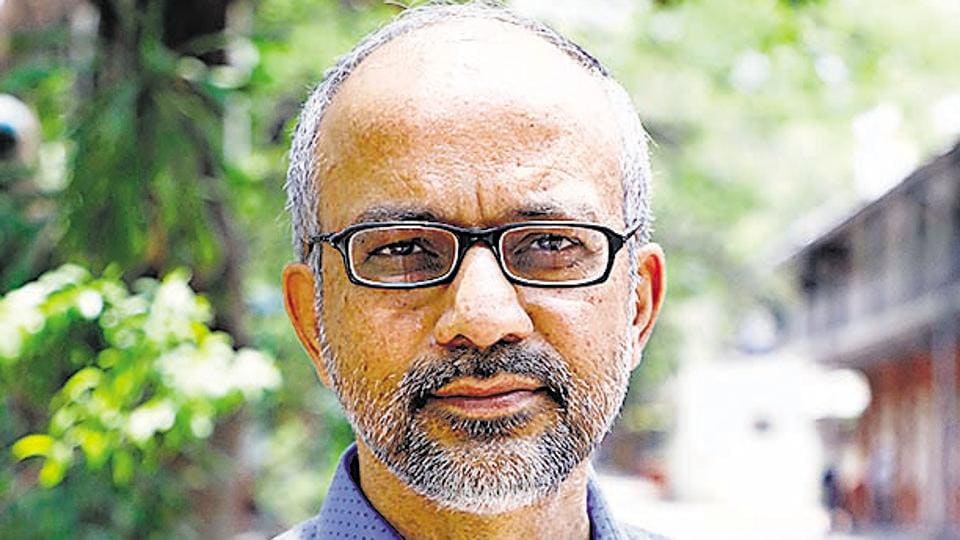
The JET results are expected to be announced by September 15, 2020. Other than that, Bhupendra Kainthola, director, FTII, believes the institute is ready to ensure quality education in cinema in the year to come.
The entrance exam has already been affected? How will you manage the intake of the next batch of students?
JET evaluations began began after a gap of nearly three months. We are continuously assessing the external developments in our plans to build our approach towards resumption of academic activities.
What kind of changes are we going to see to the course structure in the coming months for the next academic year?
FTII will take all steps to help put the academic calendar back on track as soon as possible and in complete compliance with the norms established by Ministry of Health and Family Welfare. It goes without saying that social distancing will be maintained during exercises and projects, and necessary safety and preventive measures will be taken. Although the lockdown prompted us to launch the first online course - the introduction to the film production process in May, which comprised online classes for three hours in the morning for three days- free for 25 students. FTII now offers an online series of short courses in various streams like basic smartphone film making, writing for film and web, digital cinematography, foundation course in video editing, and basic orientation of sound in cinema. These have got quite a good response.
Is going online something you are looking at, in terms of courses related to film-making?
Not film making, per so, but we have already announced several short courses in online mode. Several courses will run parallel with subjects like film appreciation, documentary film Appreciation, and screenplay writing. The response is huge, from as far as the United States, Canada and Kenya.
Let us take, for example, the film appreciation course, as well as the newly introduced mobile journalism course, both taught online. How will you keeping track of students?
There is a surge in demand for FTII short courses. The digital space has opened up new possibilities and in the post-Covid scenario we are doing all we can to excel in this domain too.
As FTII needs to have physical interaction for students, - shooting, for example - what are the steps taken by you for them to complete assignments?
We are awaiting a nod from the ministry about the changes in the curriculum and we will see when we actually open the campus to students (as of now, there is not a single student on campus), about how to begin the classes. There will be no change in the fee structure, it will remain as it is for the next academic change.


