
 E-Paper



Inmates packed in like sardines at Pune’s Yerawada Central Jail
Minimum ground space per inmate is 1.19 square metre for sleeping as against the average minimum ground space of 3.71 square metre set as a standard requirement, according to Maharashtra Prisons (Prison Buildings and Sanitary Arrangements) Rules, 1964


Inmates packed in like sardines is currently Yerawada Central Jail’s biggest problem.
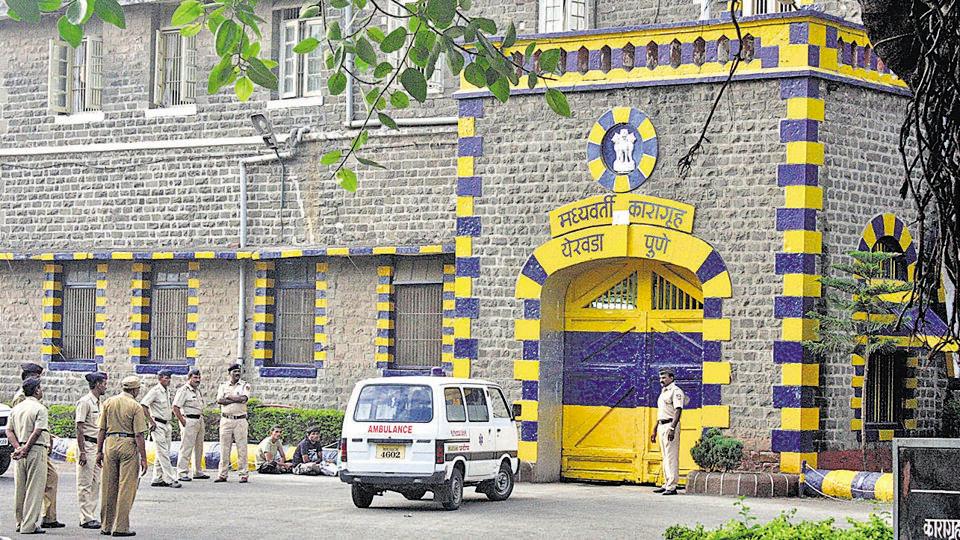
The minimum ground space per inmate is 1.19 square metre for sleeping as against the average minimum ground space of 3.71 square metre set as a standard requirement, according to Maharashtra Prisons (Prison Buildings and Sanitary Arrangements) Rules, 1964.
The lack of sleeping space per inmate was highlighted in the audit report of the Comptroller and Auditor General (CAG) of India in the general and social sector for the year ended March 2018. The audit is conducted every five years. The rules dictate strict directions to be followed by the state home department regarding minimum ground space, which is mandatory, required to be provided to the prisoners for sleeping in the barracks.
The CAG report specifies that the Yerawada Central Prison and Correction Centre has 60 authorised barracks. The actual number of occupants per barrack is 190 and there are 130 extra occupants, making the available ground space per occupant to 1.19 square metre.
In the biannual examination of prisoners’ report (July-December 2017, updated figures yet to be released) published by the prisons department and submitted to the Inspector General of Pune police, it was reported that 2,193 prisoners were suffering from skin diseases. Although no specific reason has been stated by the authorities, lack of space can be attributed to rise in skin infections stated the CAG report.
The report further points out that the Supreme Court had taken suo-moto cognisance regarding inhuman conditions in prisons of all states and union territories and given directions regarding improvement of these conditions. Accordingly, the prison department of Maharashtra had submitted the compliance to the directions of the court on August 5, 2017.
The Supreme Court in March 2018 critically viewed the issue of over occupancy and also observed that prisoners cannot be kept like animals and directed the state governments to submit plans of action to deal with the issue of overcrowding. Though, the department was aware of the issue, no effective action in this regard was taken. The ACS (Appeals and Security), home department, stated during the exit conference that the space constraint was again attributed to the number of undertrials kept in prison.
UT Pawar, superintendent, Yerawada Central Jail, said “ There are no specific observations related to the Yerawada Central Jail in the report. As far as overcrowding is concerned, we are constructing eight new barracks.”
Mangesh Hole, whose relative is imprisoned at the Yerawada Central Jail, said, “There is a war for space among the undertrials as well as convicts. Criminals belonging to various gangs control the sleeping space allotment and undertrials have to pay them to sleep there. This is only a glimpse of the inhuman and dangerous conditions that inmates endure inside. It is high time that the audit report is discussed and debated in the assembly and the respective local civic bodies, so that criminalisation that takes place inside jails ends.”
Asim Sarode, human rights activist, said, “Prisoners are inflicted with torture and inhuman treatment inside the jails. However, modernisation of jails and correctional programmes are completely missing and jail reforms have been pending since a long time. Serious cognisance must be taken of the report as the human rights violations of prisoners are an issue of pressing concern before the society at large ,” he said.


