
 E-Paper



Maha-Metro proposes one-way traffic plan on Karve road near SNDT college in Pune
Those heading towards Deccan from Paud road will have to turn left at SNDT junction and proceed along the Canal road, which is also one-way


The Maharashtra metro rail corporation (Maha-Metro) has proposed a one-way traffic plan trial on Karve road beginning some time next week to reduce the congestion near SNDT college and Nal Stop.
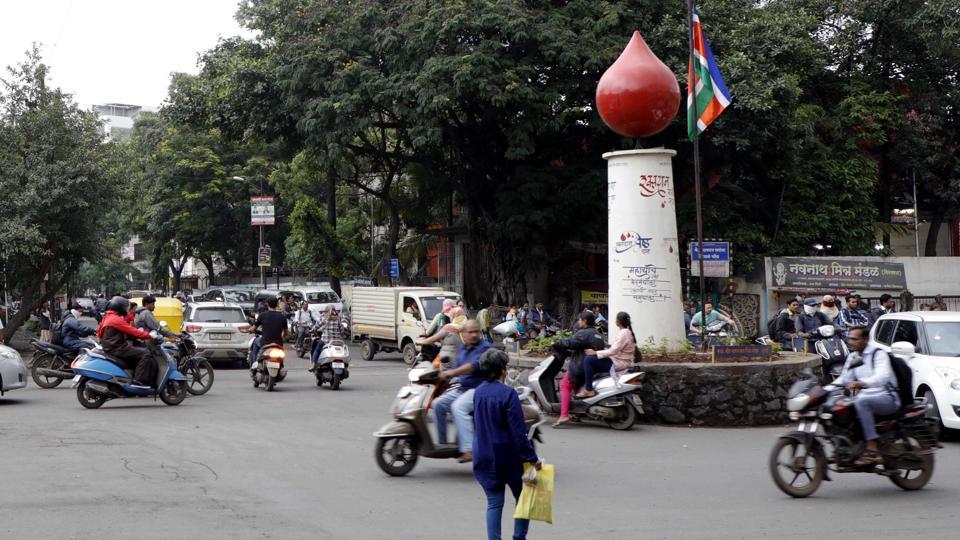
Maha-Metro has proposed that the stretch of Karve road between Nal Stop junction to SNDT junction be turned one-way with traffic moving towards SNDT junction. Those heading towards Deccan from Paud road will have to turn left at SNDT junction and proceed along the Canal road, which is also one-way. They will have to turn right at Athavale chowk and proceed to Nal Stop along Law College road, which is also a one-way.
The estimated time for the completion of Nal Stop station and the double decker metro line project is one and a half years.
Atul Gadgil, Maha-Metro, executive director, said, “On Tuesday, Maha-Metro officials along with traffic deputy commissioner of police (DCP) Tejaswi Satpute and her team conducted a joint inspection of the site on Karve road, SNDT college and Law College road. We briefed the traffic DCP about the proposed idea ensuring traffic decongestion in peak hours with simultaneous speedy work of the Nal stop station and double deck route project.” He said this has been proposed to decongest the Nal Stop chowk area. “This is based on our observation and we think this move will bring in some relief,” he said.
He said officials are currently conducting a survey of the roads to monitor the traffic flow at these junctions.
“We will count the number of two-wheelers and four-wheelers using these roads in the peak hours, which will be completed by the beginning of the next week,” he said, adding that after this, the one-way plan would be initiated on an experimental basis using dummy barricades.
“We will then immediately implement the plan if we are successful in managing the traffic flow without congestion,” Gadgil said.


