
 E-Paper



Direct-sowing technique fails to attract paddy farmers in Bathinda
Even though the state government has promoted direct-sowing technique before the start of the paddy season, it has failed to attract farmers in Bathinda.


Even though the state government has promoted direct-sowing technique before the start of the paddy season, it has failed to attract farmers in Bathinda.
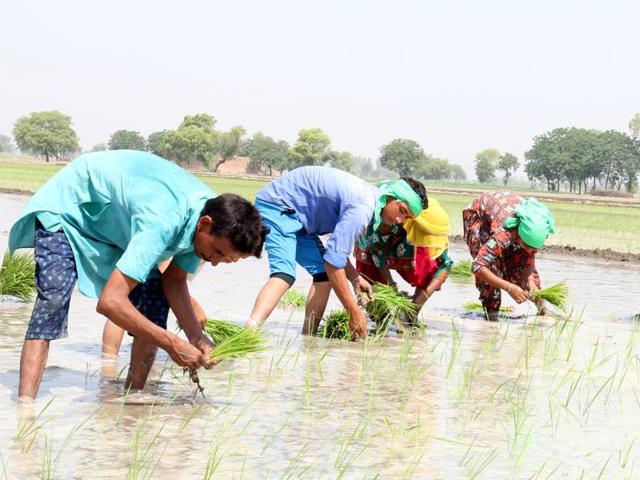
Out of total 1.6 lakh hectare expected to be under paddy cultivation, the department has set a target of covering only 5,000 hectare under the direct-sowing technique.
Despite availability of adequate equipment, farmers are employing the traditional manual paddy transplantation, leading to wastage of water.
As per available information, the Bathinda agriculture department has at least 14 direct-sowing machines. Two machines each have been provided to the seven blocks in the district.
A senior official said the demand for direct sowing was very less, with hardly any query received from farmers.
“Farmers of only those areas have shown interest where sources of irrigation are hardly available or there is shortage of labourers. The field staff is going from village to village to give a demonstration and convince farmers to go for the water-saving technique,” said an official.
Chief agriculture officer Nachattar Singh Aulakh said the department has set a target to cover 5,000 hectare under direct sowing this year, which is up from 3,000 hectare last year.
“We have to go through crop history and soil health before recommending direct sowing. Many a times, farmers have a traditional mindset and show reluctance to adopt it,” said Aulakh.
The official said the field staff educates farmers that there is no negative effect on the yield using this technique. “Moreover, there is no effect on the development, size and growth of the crop,” he said.
Aulakh said besides saving time, direct sowing needs lower input cost on labour and irrigation. The water requirement is only 25% of the traditional method, he said.


