
 E-Paper



What’s the connection between fake notes in Mohali and a Spider-Man villain?
In 2012, Abhinav Verma was probably still in college on the outskirts of Chandigarh. He and I did not yet have that one mutual friend we now have on Facebook. Narendra Modi was still the chief minister of Gujarat. Banknotes had not become expensive jokes. And demonetisation was a word buried in dictionaries or books of economics. That was the year The Amazing Spider-Man released.


In 2012, Abhinav Verma was probably still in college on the outskirts of Chandigarh. He and I did not yet have that one mutual friend we now have on Facebook. Narendra Modi was still the chief minister of Gujarat. Banknotes had not become expensive jokes. And demonetisation was a word buried in dictionaries or books of economics.
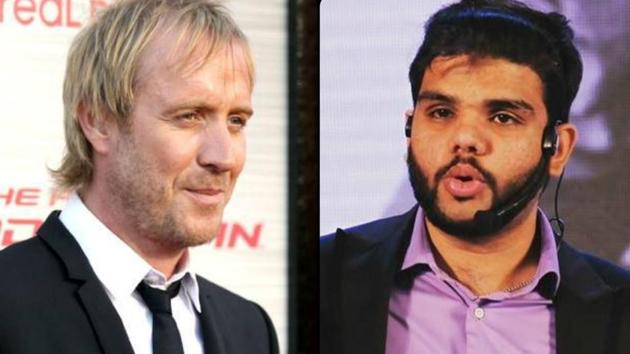
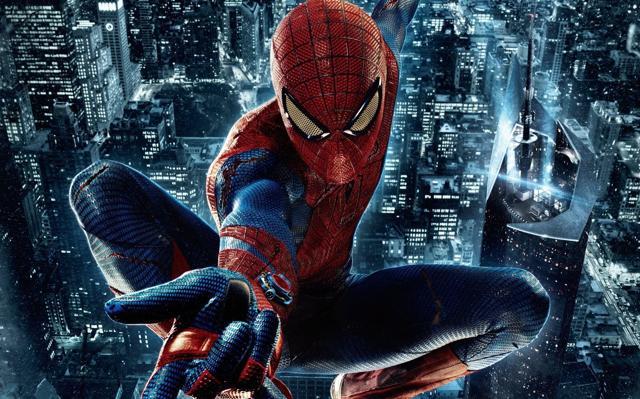
That was the year The Amazing Spider-Man released. Remember, the one that had Irrfan Khan! It was a moment of inspiration. No, not because an Indian actor had got a blink-and-miss role in a mega-movie based on a Marvel comic. Abhinav did not start wearing spandex, I believe. I am not sure, though, if he managed to find a girlfriend as disarmingly and disappointingly cute as Gwen Stacy.
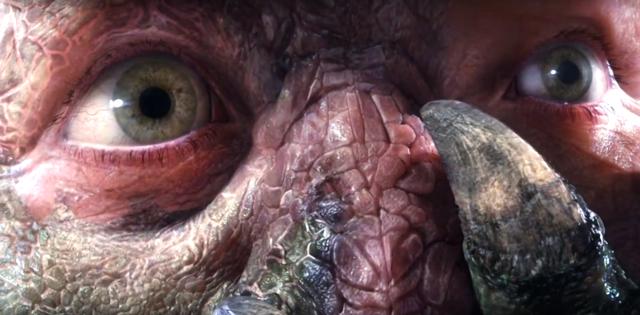
But the inspiration, as is clear now, was Dr Curtis Connors.
Abhinav, an engineer, evidently became a science guy in love with making new things. By last year, he came up with a product called LiveBraille — a finger-mounted device that acts as an obstruction sensor to replace the walking-stick for the blind. It could possibly change the lives of millions, as he underlined. A star innovator, he attended conferences about weird things that eventually become addictive products, delivered lectures at start-up meets where ideas meet executors and executioners, and wore thick-rimmed glasses with a beard at all times, or so says my research on social media. He also managed to put the product in markets of a dozen countries and more. He was broadly inspired, like most techies I know, by Steve Jobs. And, of course, by Marvel comics and movies!
The year 2014 went by, and changed everything. Narendra Modi became what he has become. LiveBraille found a mention from Modi in December of 2015 at the Indian Science Congress in Bengaluru. It was commercially launched this year, touted as an innovation under the ‘Make in India’ programme. Abhinav ended 2015 with a pat from our Made-in-India Supreme Leader, but, a year later, he is sitting in jail for printing fake banknotes of 2,000-rupee denomination worth lakhs.
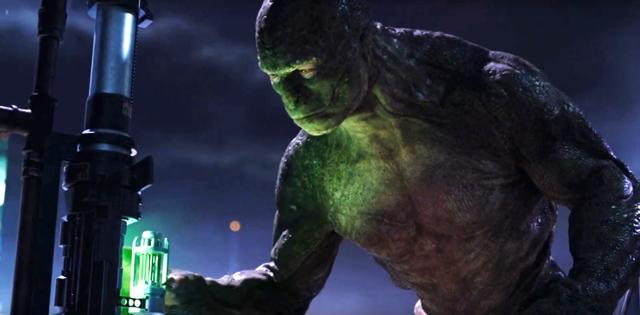
Obviously, our poor, ill-educated, third-world country, brought up on downmarket stuff such as Nagraj, Pinky and Sabu, did not quite know much about his inspiration. Otherwise, those who praised him would have been more cautious, I am sure. Somewhere along the way, Abhinav became what Dr Connors became in The Amazing Spider-Man — a super-villain with a back story of brilliance, frustration, and uncontrollable ambition.
Maybe, like Dr Connors does with the regenerative serum that turns him into The Lizard, our guy found a way to print the notes but did not yet want to share the technology for fear of misuse. Yet, someone made him do it, and that turned our guy into a villain.
Maybe he just got sick of standing in a queue and decided, ‘What the heck! Why stand in line when you can print your own?’
More plausibly, maybe he was just having some fun with a scanner, printer, computer and other such stuff, and doing some charity on the side for all those people whose old notes he exchanged by taking a 30% commission. Such was the quality of his charity that he managed to hand out at least Rs 30 lakh in the fake notes before one of his beneficiaries noticed.
Not for nothing does he ignite extreme admiration, even sympathy, among people at least in Dhakoli, his residential locality in Chandigarh’s suburbia. Many, such as I, who live in the same locality wish they’d known him before and used his capitalistic business model to avoid those communist queues.
Much like the Marvel characters, he is the dark one that everyone actually likes and wants to be like. For himself, he only bought a fancy car. Villains, after all, are more human than superheroes. We all know that.
(Views expressed are personal. Writer’s email: aarish.chhabra@hindustantimes.com)


