
 E-Paper



12-year-old girl walks 100 kms in dense forest in Chhattisgarh; dies
Jamlo Madkami, who went to Perur village in Mulgu district of Telangana to pluck chilly along with thirteen others, died in the jungle on Saturday evening. She started walking from Perur on April 15 along with other labourers, official said on Monday.

 Prefer HTon Google


A twelve-year-old girl reportedly died after walking about a hundred kilometers in three days in the dense forests of Chhattisgarh to reach her village in state’s Bijapur district, police said. She was part of a group of 13 labourers returning from Telangana.
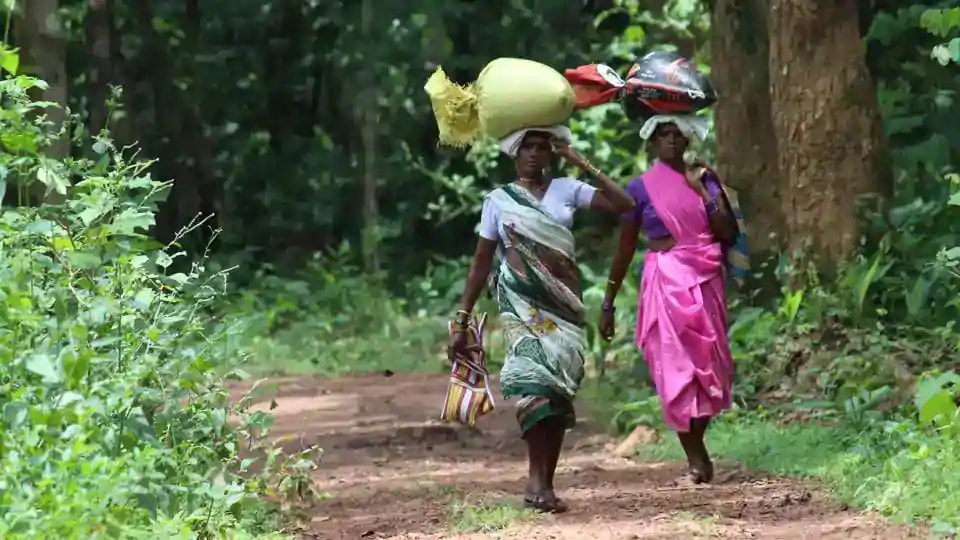
Jamlo Madkami, who went to Perur village in Mulgu district of Telangana to pluck chilly along with thirteen others, died in the jungle on Saturday evening. She started walking from Perur on April 15 along with other labourers, official said on Monday.
The district administration said that the other 13 labourers were quarantined after the death of girl.
“On Monday, the postmortem of the girl was conducted because the body was preserved. We had sent the samples of the girl on Saturday to Jagdalpur for tests of COVID-19, which was found negative,” said chief medical and health officer, Bijapur, Dr BR Pujari.
The medical officer also said the group of 14 labourers took the route of jungles as due to lockdown, the entry though roads was not allowed.
“She walked along with the group crossing difficult terrain of Maoist-affected forest and on Saturday evening she collapsed in Bhandarpal jungles,” said Pujari, adding that the route is extremely difficult to walk.
The girl’s village was about 50 kilometers from the place she died.
The medical officer said the girl from Aded village under Toynaar police station had gone to Telangana in search of employment along with her relatives.
A senior government official of Bijapur district, who was not willing to be named, said that hundreds of labourers, who went to Telangana in search of employment were returning to their villages on foot through the dense forest.
“The forest route is surrounded by severe Maoist affected areas hence no one can monitor their movement,” said a senior police official involved in anti-Maoist activity, who was not willing to be named.
“We conducted the post mortem but the exact reason behind the death is yet to be ascertained. Her visra has been preserved and will be sent for further examination,” the CMHO said.
The CMHO said primarily the postmortem suggests that she died because of electrolyte imbalance.
“Since she travelled on difficult terrains for three days, she could be facing muscle fatigue which could led to some imbalance. Secondly, as per the people who were walking with her, she fell from a hillock and sustained injuries also,” the CMHO said.
-kW0H-U20214218012MgB-250x250%40HT-Web.jpg)


