E-Paper



Are luxury villas in Bengaluru’s outskirts now rivalling US suburban per sq ft prices?
Redditors question what’s driving buyers to pay ‘insane prices’ for Bengaluru villas, debating how per sq ft rates now exceed those in parts of the US

 Prefer HTon Google


Bengaluru villa prices soar, rivalling US suburbs, as demand from NRIs, HNIs grows; limited supply and lifestyle shift fuel surge in tech corridor outskirts
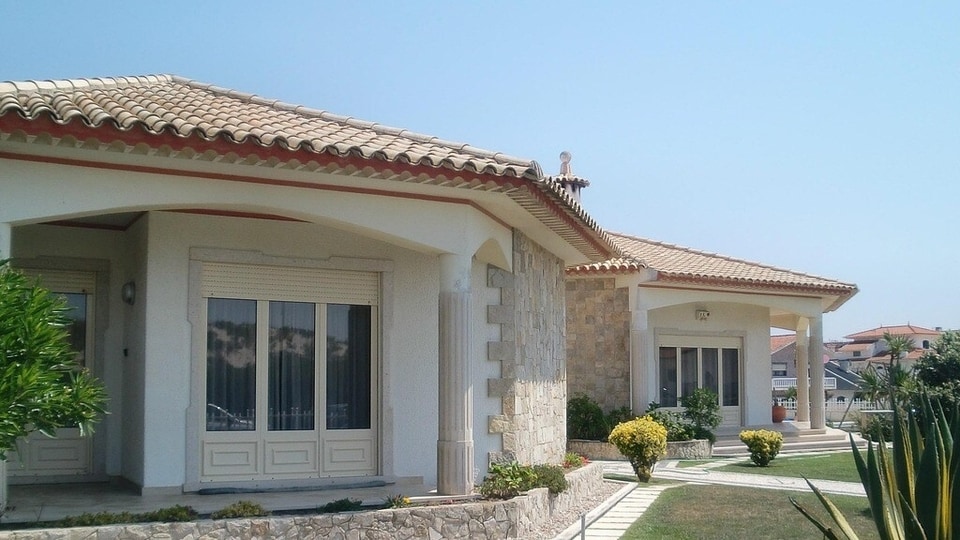
Villa prices in Bengaluru’s outskirts now rival those in some US cities despite India’s lower income levels, infrastructure gaps, and different tax structure, say netizens.
“What’s prompting people to buy at these insane prices?” a Reddit user asked. "Just curious to understand. The per sq ft rate is more than in some parts of the US, and the income levels are not the same, and the infrastructure and facilities are not the same. Not to mention, India is quite a high-taxing nation," he wrote.
“I saw a couple of model homes, and the construction quality isn’t that great either,” the buyer said.
Real estate experts say prices have risen by 10–15% over the past year, driven by a surge in demand and limited inventory. Areas like the Whitefield periphery and North Bengaluru’s Hebbal are witnessing heightened interest from NRIs and end-users.
Over the past year, Bengaluru’s villa market, especially in its rapidly urbanising outskirts, has seen a sharp uptick in both demand and pricing. According to property analysts, villa prices in micro-markets such as Whitefield extension, Chikkagubbi, Yelahanka, and Hennur Road have surged by 10% to 15% year-on-year, outpacing the price appreciation in many mid-income city apartments.
What's driving villa prices in Bengaluru?
Experts say the pandemic widened the appeal of villas, attracting buyers across both luxury and affordable segments. Traditionally seen as lifestyle products, villas offer the advantage of owning not just the home but also the land it stands on.
"Driving this growth is a mix of factors, including a strong appetite from returning NRIs seeking spacious, gated living; a shift in buyer preferences post-pandemic towards low-density, high-privacy homes; and a tightening supply of villa developments by marquee builders," Manjesh Rao of BlueBroker said.
“Unlike the apartment segment, the villa market has a very limited pipeline,” Rao said. “Most new launches are fully booked even before construction begins, which is pushing up the per square foot rate to levels we haven’t seen before.”
“There is definitely a strong demand for villas today,” said Shantanu Mazumder of Knight Frank. “If you look back 15–20 years, Bengaluru was largely a city of horizontal development. But over the last two decades, the city has witnessed significant vertical growth with the rise of apartment complexes. That has led to issues like traffic congestion, overcrowding, and a lack of open spaces.”
He said that the pandemic played a crucial role in changing how people think about their living spaces. “Post-COVID, people have reassessed what they truly need in a home. There’s now a clear shift towards larger spaces that not only offer room inside the house but also a sense of ownership over outdoor areas. That’s where villas have started to stand out. They offer lawns, private spaces, and luxury features like private pools, things that apartments often can’t provide.”
Mazumder pointed out that most Grade A+ developers had moved away from villa development about a decade ago, focusing instead on high-rise projects. “It wasn’t until after COVID that they returned to villa construction, responding to renewed demand. And now, they’re not just offering villas but also enriching the experience with large clubhouses, shared public spaces, and lifestyle-driven amenities.”
Why are villas in the tech corridor outskirts back in demand, and who are the buyers?
Mazumdar explained that lifestyle preferences largely drive the shift towards villa developments in the outskirts of Bengaluru. “As the city got more congested and central land prices became unaffordable, many homebuyers started looking toward the outskirts. They don’t mind commuting if it means living in a spacious, well-designed community with a better quality of life.”
He also highlighted a crucial technical factor contributing to the growth of villa projects in these areas, Floor Space Index (FSI). “Apartments in the city typically have an FSI starting from 1.75 and can go up to 3.75, allowing for vertical development. However, many of the outskirts don’t have high FSI potential or approvals, making apartment projects less viable. That’s why we’re seeing a surge in villa developments in those locations; it’s a form of housing that suits these regions' zoning and land use regulations.”
Experts also note that while infrastructure development in the outskirts is still a work in progress, it has little impact on investor interest. According to Shantanu Mazumder, the typical villa buyers are not young first-time homebuyers but more financially established individuals. “Most buyers are in their late 40s and already have the financial means to invest in a villa. At that stage in life, they don’t necessarily need to be close to the city centre to access schools or colleges. Their priorities shift toward a better lifestyle and more personal space,” Mazumder explained.
Are Bengaluru villas matching per sq ft rates in suburban US markets?
What’s striking is that these prices are beginning to rival per sq ft rates in several suburban pockets of developed countries, particularly in the US. Rao said that a 3 or 4 BHK villa in North Bengaluru can easily cost upwards of ₹6-9 crore, rates that would fetch a well-located home in parts of Texas or Florida.
“In the outskirts of Whitefield, villas are now priced at ₹4–5 crore, and very few developers are actively offering such projects,” he said. In the northern region, particularly around Devanahalli, the starting price for a row house is around ₹5 crore, while villas begin at ₹8–9 crore. “The prices we are seeing now are comparable to those in some parts of the US,” he said.
Rao pointed out that a growing number of high-net-worth individuals (HNIs) based in Bengaluru are investing in these villa communities, drawn by the combination of space, privacy, and long-term value. He explained that although India has traditionally been considered a more affordable market than the US, the price gap is narrowing, especially in the luxury segment.
“In North Bengaluru, luxury villas are now being sold at nothing less than ₹18,000 to ₹25,000 per square foot,” he noted. According to Rao, this premium pricing is driven by limited land supply, strong demand from end-users and NRIs, and the aspirational value attached to luxury villa living.
Mazumder noted that the prices of luxury villas in Bengaluru are, in some cases, nearly comparable to those in the outskirts of smaller towns in the U.S. “In the US, most residential development is horizontal by nature. In contrast, in India, horizontal development is limited and caters to a niche segment rather than the masses. This exclusivity also drives up the value of such properties more quickly,” said Rao.
Rao said that while entry-level villa prices in the U.S. are still higher, Indian villas remain relatively more affordable. However, the cost of borrowing is significantly steeper in India. “Home loan interest rates in the U.S. are typically around 4 to 4.5%, whereas in India, rates are often above 9%. So, even if the property is cheaper here, the higher cost of financing makes a big difference,” he explained.
Also Read: Why are Bengaluru landlords demanding ₹23 lakh security deposits?
Eastern IT corridor of Whitefield and North Bengaluru are top choices
Real estate experts say villa buyers are actively scouting locations like north Bengaluru's Devanahalli, where villa prices start from ₹3 crore and can go up to ₹6 crore or more, depending on the project. Kiran Kumar, vice president of Hanu Reddy Realty, cited the example of a client purchasing a villa in Prestige Golfshire for ₹18 crore, highlighting the growing appeal of ultra-luxury developments.
"Devanahalli is seeing a lot of traction, especially from high-end buyers. Sobha Lifestyle is also getting strong interest," he said. With no new supply in the city centre and the available projects being ultra-premium, homebuyers are now shifting focus to the outskirts.
In the East, Sarjapur Road continues to be a popular villa market. "Villas that were priced at ₹2 crore are already sold out. Newer projects are now starting at ₹3–4 crore," Kumar said. Despite infrastructure still developing in these areas, buyers are drawn to the privacy and lifestyle villas offer, including private gardens, lawns, pools, and expansive clubhouses.