
 E-Paper



Maharashtra government’s new slum cluster redevelopment approach: 5 key things to know
The Maharashtra government has removed the slum dwellers’ consent clause for cluster redevelopment, but consent will still be needed for non-cluster projects

 Prefer HTon Google


The Maharashtra Housing Department released a Government Resolution (GR) on November 13, introducing a new approach to slum cluster development in the state. The policy, approved by the Maharashtra government's cabinet on October 14, was notified on November 13 and will be applicable to cluster development of areas exceeding 50 acres.
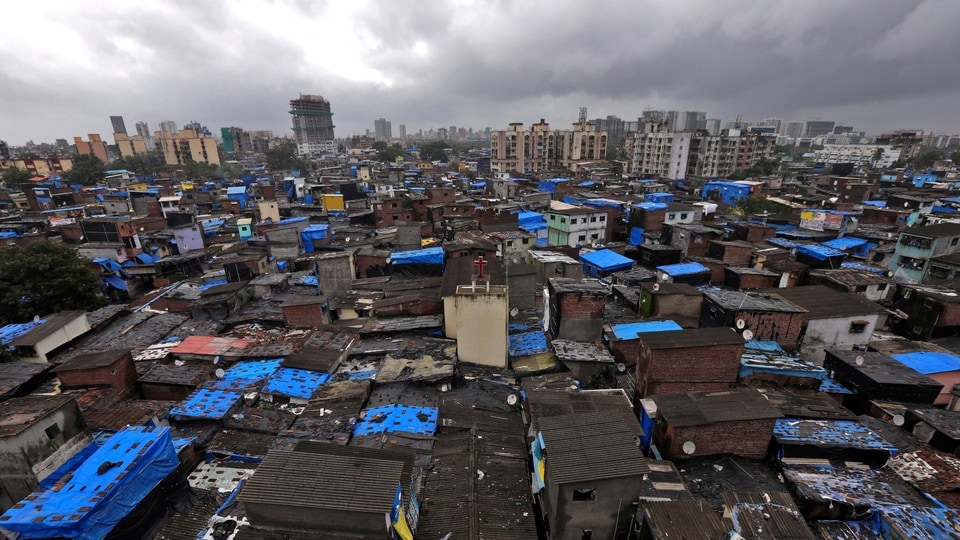
Here are five key points to note about the new changes introduced by the Maharashtra government.
1) What is the slum rehabilitation scheme?
The Slum Rehabilitation Project (SRA) in Mumbai is a government-led scheme that redevelops slum areas by providing free, legal housing to eligible slum dwellers. In exchange, developers gain the right to utilise the freed-up land for saleable projects, thereby balancing social welfare with real estate development incentives.
Under the SRA scheme, rehabilitated slum dwellers get a 1 BHK apartment of around 330 sq ft. During the construction of rehabilitation apartments, the slums are demolished, and the displaced slum dwellers are provided with interim rent.
2) The changes introduced: No consent required from slum dwellers for cluster redevelopment projects
In a major policy shift, the Maharashtra government's GR explicitly states that the consent of slum dwellers is not required for implementing the Slum Cluster Redevelopment Scheme. This represents a significant departure from the existing SRA framework, where the consent of the majority of slum dwellers is mandatory for standard redevelopment under the SRA scheme.
According to the GR, cluster projects encompass large, contiguous areas of 50 acres or more, often combining slums with old buildings, dilapidated chawls, industrial units, and government land. According to Maharashtra government officials, removing the consent requirement allows faster execution in unsafe and highly congested zones where redevelopment has been stalled for decades.
Also Read: MHADA update: 96 buildings declared 'extremely dangerous' in South Mumbai
3) Consent is still required for all regular non-cluster SRA projects
The new policy shift by the Maharashtra government has eliminated the requirement for consent from slum dwellers for the cluster slum redevelopment project. However, for all non-cluster projects, typically individual slum pockets or plots of less than 50 acres, the existing requirement for the consent of the majority of slum dwellers will be required, government officials told HT Real Estate.
According to officials, the majority of ongoing and upcoming SRA proposals in Mumbai have the consent rule in effect. The consent-free mechanism is restricted strictly to government-declared clusters.
4) Cluster zones must be 50+ acres and 51% slum area
According to the GR, not every slum area can automatically become a cluster. The GR defines strict criteria that a cluster must be a minimum of 50 acres of contiguous land. In this, not more than 51% of the area must be classified as slums.
The threshold shows that the scheme is meant for large-scale, city-level interventions. The GR also authorises the Slum Rehabilitation Authority (SRA) CEO to identify such clusters. Once identified, the proposal is vetted and approved by a High-Power Committee (HPC) comprising senior state and municipal officials.
Also Read: Maharashtra government approves slum cluster redevelopment scheme for Mumbai
5) Types of structures within the cluster
The cluster redevelopment scheme is designed to address not only slums but also the mixed and complex urban fabric typical of Mumbai. This includes slum structures, old and dilapidated buildings, tenanted properties, chawls, as well as industrial, commercial, and warehousing units.


