
 E-Paper



Flood and heatwave risks increasing in urban India, $2.4 trillion investment required: World Bank
The World Bank report identifies Delhi, Chennai, Surat and Lucknow among cities most exposed to urban heat island effects and flood risks

 Prefer HTon Google


As urbanisation accelerates, cities are becoming more vulnerable to floods, heatwaves, and other climate-related risks. A World Bank report released on July 22 estimates that over $2.4 trillion will be needed by 2050 to develop resilient, low-carbon infrastructure.
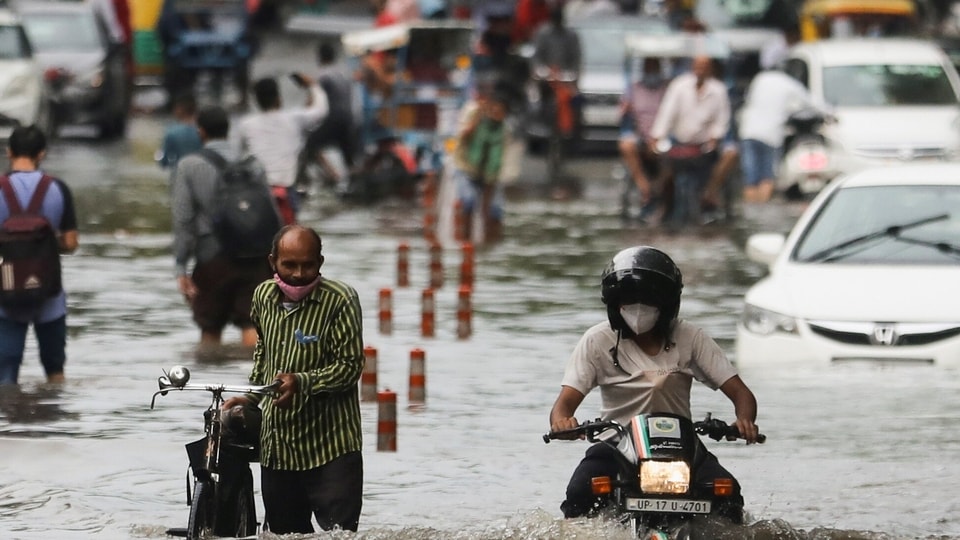
Much of the ongoing urban expansion is taking place in ‘flood-prone and heat-vulnerable areas.’ Cities such as Delhi, Chennai, Surat, and Lucknow are among the most at risk, with rapid settlement growth in vulnerable zones amplifying the impacts of flooding and urban heat island effects, it noted.
"In Delhi, the report highlights risks linked to rising temperatures and urban flooding. Heat stress is also expected to intensify. Between 1983 and 2016, exposure to dangerous heat levels increased by 71 percent in India's 10 largest cities, rising from 4.3 billion to 10.1 billion person-hours per year," the report titled 'Towards Resilient and Prosperous Cities in India' said.
The report prepared in partnership with the Ministry of Housing and Urban Affairs noted that "annual economic losses from rain-related flooding are currently estimated at 4 billion dollars. These are projected to rise to five billion dollars by 2030 and between 14 and 30 billion dollars by 2070 if no remedial action is taken."
India’s urban population is expected to nearly double from 480 million in 2020 to 951 million by 2050, making its cities increasingly vulnerable to climate-related risks, the report noted.
The report warns that erratic rainfall, heatwaves, and rising sea levels are putting immense pressure on urban infrastructure. Without timely and large-scale investments in housing, transport, water supply, and waste management, the economic costs from climate-related damage will continue to rise.
Also Read: “Does the area flood?” Bengaluru homebuyers and investors now have fresh real estate worry
"Timely actions can avert billions of annual damages and losses in flooding and extreme heat while investing in resilient and efficient municipal infrastructure and services," the report said.
The report also raised concerns about heat-related deaths. "If emissions continue at current levels, annual heat-related deaths may rise from 1,44,000 to more than 3,28,000 by 2050. Around 20 percent of working hours in major Indian cities could be lost due to high heat stress conditions," it says.
According to the report, the country's urban projected population will be around 1.1 billion by 2070. "More than 144 million new urban homes will be required, doubling the current housing stock," the report states.
To offset these risks, the World Bank estimates that India will need to invest 2.4 trillion dollars by 2050 and 10.9 trillion dollars by 2070 across sectors such as housing, public transport, solid waste management, and municipal services.
"However, India currently spent around 10.6 billion dollars per year from 2011 to 2018. India's current spending on urban infrastructure and services is -0.70 per cent of GDP, which is much lower than other countries and must be substantially increased", the report states.
"This is both a challenge and an opportunity," said Auguste Tano Kouame, World Bank Country Director for India.
Without timely action, climate risks such as flooding and extreme heat will become much more severe, Kouame added.
The report states that public financing alone will not be sufficient to meet this demand. It calls for increased private sector investment through tools such as green bonds, blended finance, and access to international climate funds.
The report recommends strengthening the financial autonomy of urban local bodies and improving their capacity to plan and implement bankable projects.
The report points out that an estimated investment of 150 billion dollars over 15 years could enable 60% of existing Indian cities to implement flood mitigation measures.


