
 E-Paper



Why more amenities may mean less space in your new home: What homebuyers should know about the loading factor
Although most apartment prices are based on RERA-defined carpet area, buyers may still end up paying more due to the cost of expansive common areas

 Prefer HTon Google


When buying an apartment today, especially in the luxury segment, you're not just paying for four walls. Modern projects often include clubhouses with restaurants, reception areas, lounges, and other upscale amenities. While these features enhance lifestyle, they also contribute to a higher loading factor, and ultimately, a higher price tag.
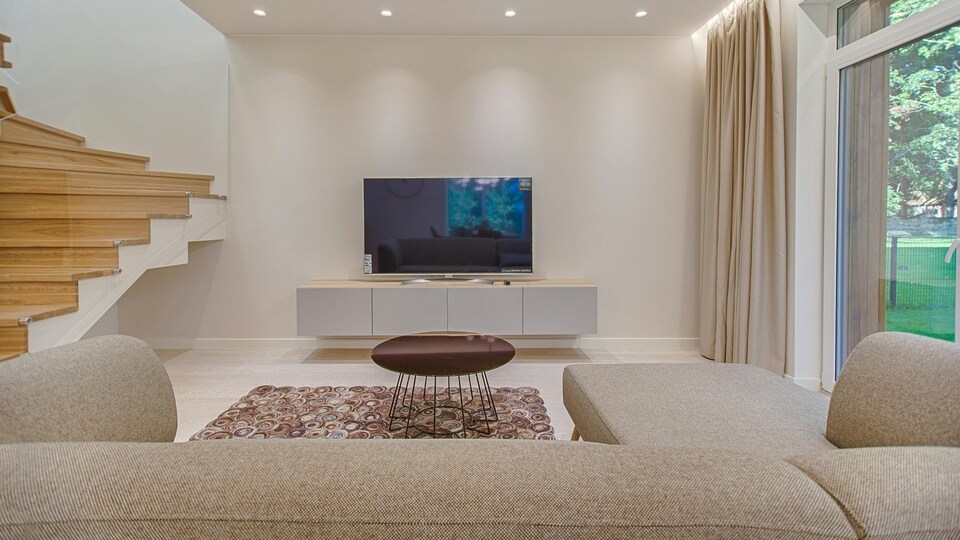
Although most developers now quote prices based on RERA-defined carpet area, buyers may still end up paying more due to the cost of expansive common areas.
The growing trend toward amenity-rich living highlights the importance of transparent disclosures, ensuring that homebuyers get clarity on exactly how much private living space they’re paying for.
“Amid the rising demand for real estate projects with modern amenities, the 'loading' factor has been on the rise across the top cities of India,” according to a report by ANAROCK, a real estate consultancy.
What is the loading factor?
The loading factor is the difference between the super-built-up area and the carpet area of the apartment. The report said the loading factor is the highest in the Mumbai Metropolitan Region (MMR) followed by Bengaluru, and Delhi NCR.
'While RERA now requires developers to mention the total carpet area provided to homebuyers, no law currently limits the loading factor in projects," Prashant Thakur, Regional Director and Head, Research and Advisory, ANAROCK Group, said.
“Q1 2025 data shows that homebuyers in the top seven cities now get only 60% of the total space they pay for as actual liveable area within their apartments. The remaining 40% comprises common areas such as elevators, lobbies, staircases, clubhouses, terraces, and other amenities. Back in 2019, the average loading was around 31%,” Thakur said.
Also Read: Mumbai real estate market: Planning to sell a flat in an old building? Here’s why it can be tough
Why does the loading factor matter to homebuyers?
According to real estate experts, developers are expanding common facilities, gyms, pools, lounges, and fire-safety infrastructure, to meet rising homeowner expectations. While these amenities enhance comfort and resale value, they reduce actual living space within individual apartments.
They said homebuyers are now paying significantly more for common areas in modern apartment projects. The shift toward amenity-rich developments boosts lifestyle quality but underscores the need for transparent disclosures to ensure buyers aren’t short-changed on living space.
"Technically, apartments are to be sold based on RERA carpet area, which means there shouldn't be any concept of a 'loading factor'. Yet, in practice, it still exists without formal recognition," Jayesh Rathod, co-founder and director of The Guardians Real Estate Advisory.
For instance, while homebuyers purchase apartments based on the RERA carpet area, the overall cost continues to rise, not just due to market appreciation or higher construction costs, Rathod said.
Over the years, FSI (Floor Space Index) and premium charges have increased significantly. As a result, developers stick to the rule book but expand construction in common areas to manage approval costs. Ultimately, these costs, whether directly or indirectly, are passed on to homebuyers, leading to an increase in the effective loading ratio, Rathod explained.
Which city has the highest loading factor?
According to the Anarock report, MMR continues to see the highest loading among the top 7 cities, with 43% in Q1 2025. The region has seen the average loading percentage grow steadily over the years, from 33% in 2019 to 39% in 2022 and 43% in Q1 2025.
Chennai, on the other hand, had the least average loading rise in Q1 2025, with 36%, aligning with a city-specific demand profile where homebuyers prefer to pay more for usable space within their homes rather than for common areas.
In 2019, Chennai's average loading percentage was 30%, like Bengaluru's. It gradually rose to 32% in 2022 and 36% in Q1 2025.
In NCR, the average loading percentage rose from 31% in 2019 to 37% in 2022 and to 41% in Q1 2025. Further, Pune's loading factor was 32% in 2019, rose to 36% in 2022, and stood at 40% in Q1 2025. Hyderabad's loading percentage increased from 30% in 2019 to 33% in 2022 and to 38% in Q1 2025.
On the other hand, Kolkata's average loading factor increased from 30% in 2019 to 35% in 2022, and further to 39% in Q1 2025.


