E-Paper



Why coyotes thrive in cities despite the risks: Scientists uncover what helps them survive
A study shows coyote density is nine times higher in Seattle than in Washington's wild lands.

 Prefer HTon Google


It appears that coyotes have quietly colonized urban centers across America, and scientists at the University of Washington believe they may have found part of the reason. Researchers analyzed 842 coyote scat samples collected in Seattle and wildland areas near Winthrop and Chewelah. Genetic analysis identified 261 individual coyotes, allowing the researchers to use spatial capture-recapture models to estimate population density. They found that Seattle supported coyotes at about 9.3 times the density measured in the wildland areas, at 0.38 versus 0.041 coyotes per square kilometer. The study was published in Environmental Research: Ecology, and its findings echo observations from cities such as Chicago and Los Angeles.
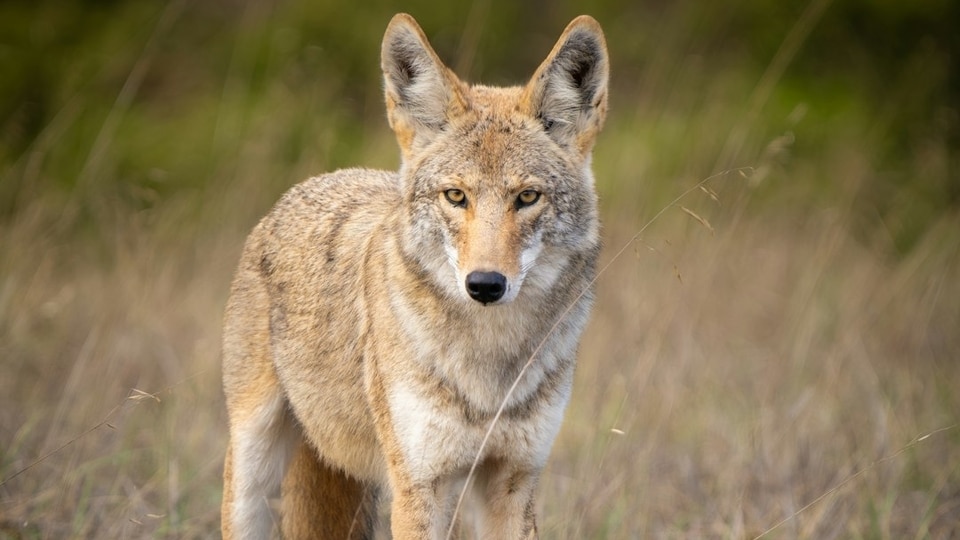
Laura Prugh, a professor of environmental and forest sciences at UW and the researcher leading the project, said the findings challenge the common image of coyotes as animals that consistently avoid people. Rather than simply fleeing from human activity, some coyotes have adapted to living close to people, particularly in less densely developed parts of cities. The Seattle results add to earlier research showing that urban coyotes can behave differently from their rural counterparts.
Why the city environment works in their favor
It might not be too complicated to explain why urban coyotes can thrive in ways their rural counterparts cannot. Cities can provide abundant food while reducing some of the threats that coyotes encounter in wildland environments. Rural coyotes can face larger predators such as wolves and mountain lions, while some are also killed by people seeking to protect livestock. In cities, those natural predators are largely absent, allowing coyotes to occupy a prominent position in the local food web. However, urban life still carries risks, including vehicle collisions, disease, and conflicts with people.
Diet tells a similar story. The scat analysis found that city coyotes eat more than twice the variety of food consumed by wild coyotes, even though rabbits and berries remain important parts of both groups' diets. Seattle's rabbit population has grown substantially over recent decades, and the researchers suspect that this increase may have helped draw coyotes into the city in the first place, since rabbits are among their preferred prey. When the researchers examined other possible explanations, including pollution levels, tree cover, income, and building density, those factors did not show the same relationship with coyote density. Human population density did show an association, but it worked in reverse within Seattle: the city's most densely populated neighborhoods tended to have fewer coyotes than quieter areas.
This relationship with rabbits may also have an indirect benefit for people living in the city. Because coyotes prey on rabbits, they may help limit rabbit numbers in some areas, including around gardens. Their territorial behavior may further influence how many coyotes can occupy a particular area, creating another factor that shapes their distribution within the city.
How urban life changes coyote behavior
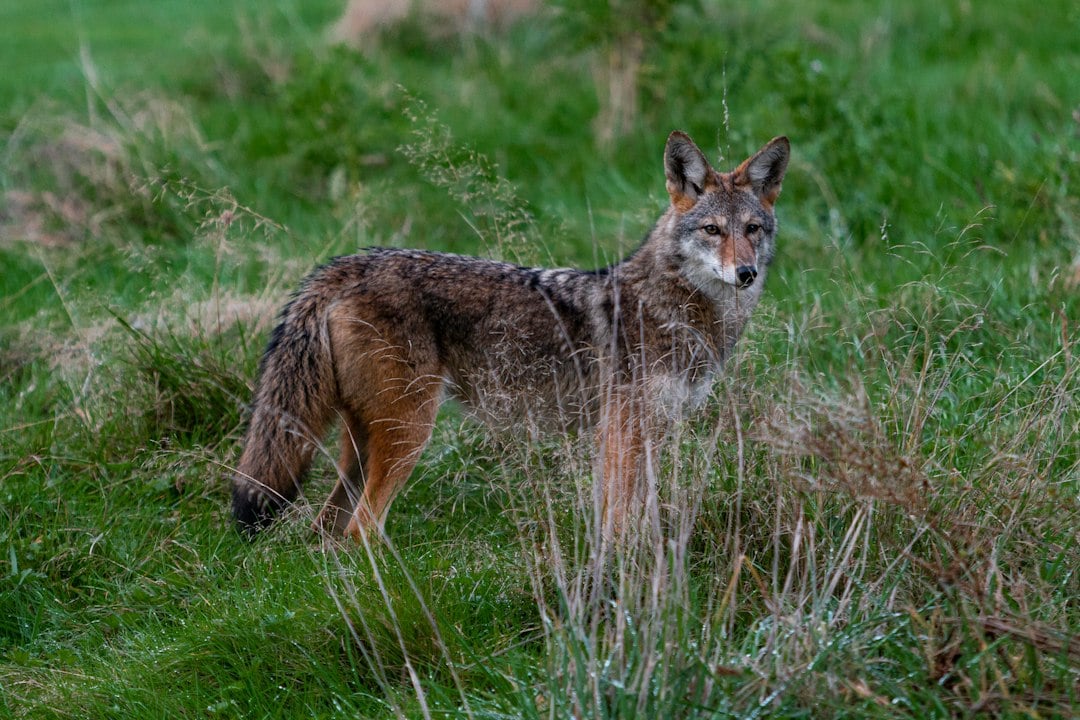
Living in an urban environment does not only change the habitat available to coyotes. It can also influence how they respond to people and unfamiliar surroundings. A 2019 Scientific Reports study by Stewart Breck and Julie Young found clear differences in boldness and caution between urban and rural coyotes. Urban coyotes were more likely to approach unfamiliar objects and remained in an area longer when a person approached them, while rural coyotes were more likely to retreat and keep their distance from unfamiliar objects.
The researchers suggested that these behavioral differences could develop gradually through social interactions and repeated exposure to people rather than necessarily reflecting biological changes. Rural coyotes are more likely to encounter trapping, hunting, or other forms of human persecution, while urban coyotes may experience fewer negative consequences from being near people. In some cases, access to food around homes and neighborhoods may even unintentionally reward their proximity to humans.
That tolerance can also create problems. Bolder coyotes can come into conflict with people, including incidents involving pets or animals approaching homes. Seattle wildlife officials have responded to reports of aggressive or unusually bold coyote behavior, showing that adapting to urban environments does not eliminate the risks associated with living close to people.
Coyotes are also likely to remain part of the urban landscape as cities continue to expand. For Prugh, the question is not simply whether coyotes belong in cities, but whether their numbers are appropriate for a particular community. Residents can reduce conflicts by supervising pets outdoors and securing trash and pet food so that coyotes have fewer opportunities to associate homes with easily available food.