
 E-Paper



Letting your child pick their snack may help you eat better

 Prefer HTon Google


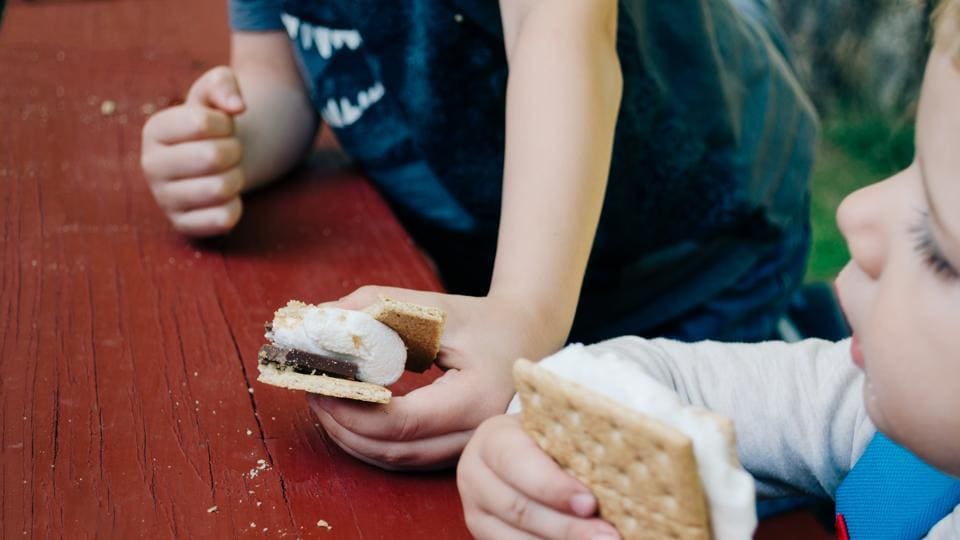
The researchers measured how powerful caregivers felt and what foods they consumed after making decisions in various scenarios like when they packed a treat the child had asked for in a school lunch.
Parents, please take a note. Giving in to your kid’s desire for an unhealthy snack may improve your own eating choices, say researchers.
The study, published in the journal Appetite, showed that parents and other adult caregivers such as babysitters tended to make better food choices for themselves if they accommodated the youngster’s request for a particular snack--whether that snack was healthy or not.
“It was a “striking finding” that shows the psychological impacts of decision-making,” said study researcher Utku Akkoc from University of Alberta in Canada.
Through a series of experiments and a field study, the researchers measured how powerful caregivers felt and what foods they consumed after making decisions in various scenarios, such as when they packed a treat the child had asked for in a school lunch.
Caregivers who listened to their children’s preferences ate a lower number of unhealthy foods themselves.
In one experiment, participants who granted a child’s snack request ate on average 2.7 fewer unhealthy snacks and 1.9 more healthy snacks than those who imposed their own preferences on the child.
The reason likely lies in how the caregivers feel about their decision, the researchers said.
“Our theory is that moms who accommodate the child’s preferences against their better judgment would end up feeling less powerful, compared to moms who successfully impose their own food choices on their children,” Akkoc said.
“This happens because accommodation involves a passive and less stressful willingness to yield to the child. When people feel less powerful, they make more inhibited, healthier choices like a dieter would,” Akkoc added.
The research also showed the caregivers were influenced in their personal choices if they were eating together with their child, consuming the same healthy or unhealthy food.
“We believe it’s because people would feel hypocritical if they ate cake in front of a child that’s made to eat fruit,” Akkoc said.
The findings offer an “effective, simple recipe” in tackling the problems of poor eating and obesity, according to the researchers.
“It shows some ways parents and other adults can increase their own healthy eating by dining together with their children after making healthy choices for them,” he said.
(This story has been published from a wire agency feed without modifications to the text.)


