
 E-Paper



Vastu ideas for home decor: Know where to place different decorative items, according to an expert
Want vastu-inspired home decor without major renovations? An expert shares how to use silver and statement artefacts the right way.

 Prefer HTon Google


Research-Backed Choices
Every product we recommend is chosen through a combination of Primary Research and Secondary Research.
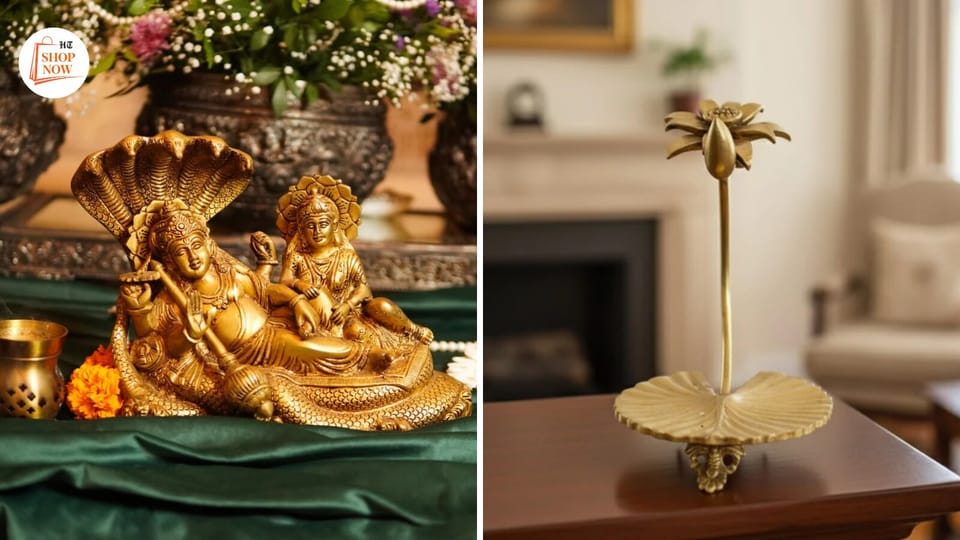

Looking for ways to design your home interiors in accordance with Vastu principles? Traditional Vastu guidelines associate different directions with specific elements and energies. The north-east is associated with water and should ideally remain light and uncluttered, while the south-west represents the earth element and is considered suitable for heavier furniture and décor. The centre of the home, known as the Brahmasthan, should also remain as open as possible to allow free movement.
Aarna Jai Madaan, Founder of Siddhhi Arts, shares insights into silver artefacts, Vastu-inspired decor and heritage-led home styling. She explains how you can decorate your home while keeping Vastu principles in mind, where to place different decorative items and which decor elements to avoid.
1. Use silver decor accents in the north and northwest
Silver has had a special place in Indian homes for a very long time, both as a decorative metal and for its associations with purity and the Moon in Jyotish. According to traditional beliefs, the Moon is associated with the northwest direction, which represents the element of air and movement. This makes silver decorative accents a suitable choice for this part of the living room. You can use silver through small decorative elements in your home interior design rather than making it the dominant material in your interiors. A silver bowl placed on a table, a pair of candlesticks, a designer tray or a framed silver filigree artwork can add a subtle traditional touch to contemporary spaces.
The north is traditionally associated with Kubera, the deity of wealth. You can consider placing a small pair of decorative elephants, an heirloom silver tray or a Lakshmi-Ganesha coin in this area. If you prefer keeping your silverware stored rather than displaying it, traditional Vastu guidance suggests placing the family locker or silver storage cupboard against the south or south-west wall, with its opening facing north. One detail to remember is maintenance. Avoid displaying tarnished or damaged silverware. Clean and polish your decorative pieces before incorporating them into your home decor.
2. Bring handcrafted decor into the south-west and east zones
Handcrafted decor adds warmth and character to modern interiors while bringing traditional craftsmanship into everyday spaces. From terracotta pottery and brass sculptures to hand-painted ceramics and folk-art panels, these pieces can make a home feel more personal. In Vastu-inspired decor, the material and visual weight of an object matter when deciding where to place it. Earthy materials such as terracotta, stone and Dhokra brass are traditionally associated with the earth element. They are therefore considered suitable for the south-west direction or along the southern wall. For lighter decorative pieces, you can explore ceramics and traditional Indian pottery. Jaipur blue pottery and Khurja ceramics, known for their distinctive colours and glazed finishes, can be incorporated into the north or east zones. Wall art also offers a way to introduce Indian craftsmanship. Madhubani, Pattachitra and Warli paintings can be displayed on the east or north-facing walls, particularly where they receive natural morning light.
Here are a few ways to incorporate handcrafted decor:
- Terracotta vases: Place them on a south-west console or side table to introduce earthy textures.
- Dhokra brass sculptures: Use these as decorative accents on a south-facing shelf or cabinet.
- Blue pottery: Style a pair of ceramic vases on a north-facing console.
- Madhubani and Warli artwork: Display folk-art panels on an east-facing wall to make use of natural light.
- Stone artefacts: Use heavier stone objects as accents in the south-west corner.
The idea is to use both traditional craftsmanship and contemporary furniture, rather than making every corner of the home look overtly traditional.
3. Place statement artefacts in the south-west or western corner
Statement decor can transform the appearance of a room, but its placement requires some thought, particularly when following Vastu principles. Large sculptures, oversized brass lamps and heavy decorative objects naturally draw attention and can influence how a space feels. According to traditional Vastu guidance, heavier statement pieces are better suited to the south-west, south or western areas of the home. A large brass lamp, stone sculpture or substantial decorative artefact can be placed in these zones without making the north-east feel visually crowded. The north-east is considered a space that should remain light, open and uncluttered traditionally. Rather than placing oversized sculptures or heavy furniture here, consider introducing a small urli filled with water and fresh floating flowers. Traditional Vastu recommendations often favour imagery associated with positivity, growth and stability. For instance:
- Rising sun: Place artwork depicting a rising sun on the east wall.
- Flowing water: Consider water-themed artwork for the north-facing wall.
- Mountain landscapes: Place mountain imagery behind the sofa on the south-west wall, symbolising stability and support.
- Nature-inspired artwork: Choose paintings featuring flowers, greenery and peaceful landscapes to create a calming atmosphere.
4. Keep the north-east light and the centre of your home clutter-free
One of the most important aspects of Vastu-inspired home decor is knowing what not to add. While decorative objects can make a home more attractive, overcrowding a room with furniture and accessories can affect its functionality. The north-east direction is traditionally associated with water and is considered a zone that should remain light and open. Avoid placing bulky cabinets, oversized sculptures or heavy home decor items and furniture in this area. Instead, use natural light, simple furnishings and minimal accessories to maintain an airy appearance.
A few practical ways to maintain an uncluttered home include:
- Keep the centre of the living room free from unnecessary furniture.
- Avoid placing large storage units in the north-east.
- Allow natural light to enter through windows and balconies.
- Use compact furniture in smaller apartments.
- Keep frequently used surfaces such as coffee tables and consoles organised.
5. Remove broken and unused decorative objects
Sometimes, refreshing your home does not require buying new decorative pieces. It can begin with identifying objects that no longer serve a purpose or contribute to the appearance of your interiors. Traditional Vastu recommendations suggest avoiding broken, damaged or non-functional objects, as they are associated with neglect and stagnation. This includes chipped glassware, stopped clocks, dried flowers that have been left unattended for months and damaged decorative accessories. Mirrors also require thoughtful placement. Traditional guidelines generally advise against placing mirrors directly opposite the bed or facing the main entrance.
Another common mistake is overcrowding shelves with souvenirs, decorative figurines and accessories collected over the years. While each object may hold sentimental value, displaying too many pieces together can make a room appear visually busy. Instead, consider rotating your decorative accessories from time to time. Display a few meaningful objects, leave some breathing room between them and store the remaining pieces carefully in your home interior.
6. Choose decor according to the direction and weight of the object
Before purchasing decorative accessories for your home, consider their material, size and intended placement. This can help you make more thoughtful choices while keeping traditional Vastu principles in mind. For instance, a heavy brass sculpture may work better in the south-west, while a delicate ceramic vase can be used in the north or east. Similarly, a large painting depicting mountains can be considered for the south-west wall, while a smaller water-themed artwork can be placed in the north. You do not have to renovate your entire home to incorporate these Vastu ideas for home design. Start with one room, identify areas that feel crowded and gradually introduce decorative pieces that complement the available space.
Disclaimer: At Hindustan Times, we help you stay up to date with the latest trends and products. Hindustan Times has an affiliate partnership, so we may get a part of the revenue when you make a purchase. We shall not be liable for any claim under applicable laws, including but not limited to the Consumer Protection Act, 2019, with respect to the products. The products listed in this article are in no particular order of priority.


