
 E-Paper



Post Covid-19, Tokyo Olympics rules will make it a "different experience", feel athletes
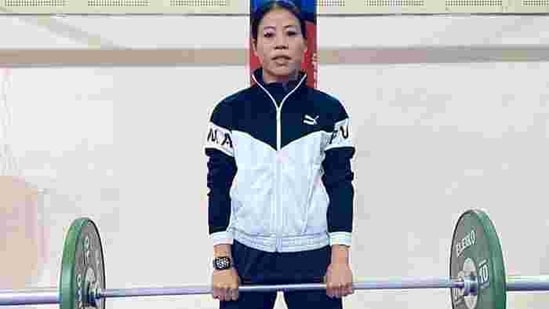
“This Olympics will be a different experience for sure,” said boxing legend Mary Kom, bronze medallist at the London Olympics.


Teen shooting sensation Saurabh Chaudhary will be counted upon to fire India to a medal on just the second day of the Tokyo Olympics on July 24. But medal or no medal, Chaudhury's maiden Olympics will be a short affair. He will be arriving in Tokyo five days prior to his event and will have to leave no later than 48 hours after the end of his competition. Even during those few days, he will live a restricted life in the Games village; he will not be allowed to go out except to the competition venue. No sights and sounds of Tokyo for him. The 18-year-old Asian Games gold medal-winning pistol shooter will have to watch himself in competition too; he will have to avoid any form of physical contact—no hugs or high-fives or handshakes—and refrain from the temptation of shouting, cheering or singing to celebrate.
These are all dictums that every athlete participating in the Tokyo Olympics will have to follow, at the risk of getting removed from competition if they don't, according to the International Olympic Committee's (IOC) guidelines for athletes released on Tuesday.
“This Olympics will be a different experience for sure,” said boxing legend Mary Kom, bronze medallist at the London Olympics.
While Chaudhary is an introvert prone to neither verbal nor physical shows of emotion (like most shooters), imagine Mary Kom not celebrating a win with her usual war cry.
“It is very difficult to not express your feelings when you are winning for your country. I don’t know how to control. An athlete might even forget in the heat of the moment,” Mary said. “(But) the rules will be the same for everyone and we have to follow all the guidelines because it is for our good. You don’t want any athlete to get infected and his/her Olympics to get over."
Perhaps the toughest place for an athlete to rein in emotions or the urge to sing is when she or he is on the podium with the national flag unfurling and the national anthem playing in the background. IOC, therefore, is still to formulate rules for victory ceremonies.
If competing on the biggest sporting stage was not stressful enough, the reality of participating in a mega event during a pandemic will mean that athletes will have a lot more to deal with than usual. Bubble protocols will ask athletes to begin monitoring themselves fourteen days before they leave for Tokyo, get a negative result on a Covid-19 test 72 hours before arrival, get another test done immediately after arrival and then submit to tests at least every four days for the duration of the Games. Athletes will also be heavily monitored; they will have to submit, and strictly stick to, a 14-day activity plan (even as they are restricted to the village and the venues); and give the authorities a list of close contacts (roommate, coach, physio, etc).
Despite the troubles, for an athlete, to compete in an Olympics is an experience of a lifetime.
“I have been waiting to play my first Olympics for so long and for IOC and Tokyo to organise it in such tough circumstances is remarkable,” said India’s top table tennis player G Sathiyan. “I am ready to follow all regulations and do my part to maintain all protocols.”
For those who have been a part of the incomparable buzz of the Olympics before, it's hard to fathom just how these protocols will affect the Games.
“It's like a festival. You meet everyone, roam around freely with teammates," said sprinter Dutee Chand, who competed at the Rio Olympics. "The dining area is where we used to spend long hours, eating together and relaxing. It is also a place where medal winning athletes and team members celebrate and dance. It’s a great atmosphere.
“Everyone will be looking to follow the rules but I don’t know how much can be followed, especially maintaining distance during training, or at the warm-up ground where there are so many people around you –support staff, ground officials, volunteers, media."
Shooter Mairaj Ahmed Khan, who also competed in Rio, said athletes are already getting used to the "new normal".
“We are already in bio bubbles in national camps, for tournaments. It is the new normal. We know the things we need to follow to keep ourselves safe. It will only extend to a bigger bio bubble at the Olympics.” said the 45-year-old skeet shooter who has earned a quota place for India for Tokyo.
“The important thing is that the Olympics are happening and that is exciting. We have put years of effort to compete at the Olympics."


