
 E-Paper



World shooting body restores old, popular competition formats
The International shooting body has restored the rules that were in effect until the Tokyo Olympics with about a year to go for the Paris Games.

 Prefer HTon Google


Changes in the format of shooting competition have been far too frequent in recent times. The International Shooting Federation (ISSF) has tweaked competition rules so many times that coaches and shooters often sit rulebook in hand before major matches. ISSF has argued it was trying to make the sport more spectator-friendly, especially on television. But its last set of tweaks had only added to the confusion of shooters and fans.
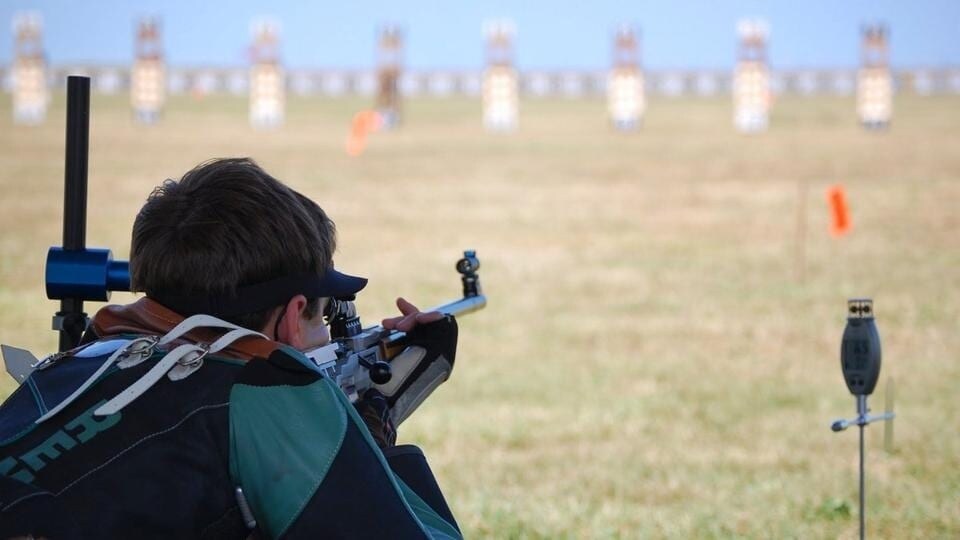
Now with just over a year to go for the Paris Olympics, ISSF has gone back to the old competition format for the finals, dropping the one-on-one duel for the gold medal which was introduced last year. The method used at the 2021 Tokyo Olympics is being re-introduced and will come into effect at next month’s World Cup in Baku, Azerbaijan.
“After the formal approval of IOC and the unanimous decision of Exco, the updated rules are broadly in line with those held at Tokyo 2020 and will come into effect as from 8th May,” ISSF said in a statement.
The changes have been welcomed by shooters and coaches who feel the original final format rewarded consistent shooters and was also exciting for spectators.
In rifle and pistol finals, the 24-shot format will make a comeback. The final will consist of two series of five shots each, followed by 14 single shots fired on command in the space of 50 seconds. Eliminations will begin after the 12th shot and continue after every two shots until the gold and silver medals are decided. The current system has a ranking round after qualification. Eight shooters compete in a ranking match (25 shots) with the top two qualifying for the gold medal match. Both shooters start from zero and the first to score 16 points (two points for winning one round) wins.
“It’s good that they have re-introduced the old system as someone who is consistently shooting good scores will benefit. The final was also getting long. Good thing is they have not made any changes in qualification,” said rifle shooter Deepak Kumar, who competed at Tokyo. “It will not be difficult to adjust because our job is to hit the bullseye whatever the format," he said.
The 25m rapid fire final will consist of eight 5-shot series with hit or miss scoring (only a score of 10.2 or better is a hit). The 25m women’s pistol final will have 10 5-shot rapid-fire series with hit or miss scoring. The 50m rifle 3P final will consist of 15 shots in each position, kneeling, prone and standing. In mixed team rifle and pistol events, four top-ranked teams from qualification will proceed to the final that will have separate bronze and gold medal matches. In mixed team finals, a coach can request a “Timeout” once and talk to the shooter.
“In the current scoring, the better shooter was not necessarily winning all the time. In the gold medal match irrespective of the difference in scores, two points were awarded to the shooter for winning the round. The old system will reward consistency. There have been so many changes that we often revise the rules and tell the shooters before a match. What the sport needs is stability in terms of scoring formats," said national pistol coach Ronak Pandit.
National rifle coach Joydeep Karmakar said they will start with the new rules in the training camp. “When we train for the finals, it is the initial part which is most important. We don't do anything special for the gold medal match, so the most important part is already there. It will not change the dynamics," said Karmakar.
Coach Deepak Dubey, who has trained former world No 1 and Tokyo Olympian Divyansh Panwar, felt the finals were getting long drawn out and shooters were getting mentally exhausted. “It was physically draining for the shooters, there was more use of ammunition and not very spectator friendly,” he said.


