
 E-Paper



Air purifiers 101: CADR, filters, and myths you should know before investing
Indoor air can hide dust, smoke, and pollutants that affect health. Here’s what you need to check before buying an air purifier for your home and office.

 Prefer HTon Google


You may be interested in

49% OFF

Honeywell Air Purifier for Home & Office, 3-in-1, Pre, H13 HEPA, Activated Carbon, Removes 99.99% Pollutants, Allergens, Pet Danger, Smoke, Dust & Pollens - Air touch V1
 Honeywell Air Purifier for Home & Office
- 3-in-1
- Pre

₹5,149
₹9,999Check Details
42% OFF

Winix Premium 4 Stage Air Purifier,Kills Virus&Bacteria - Only Guaranteed Tripple Certified Uk Allergy,Ecarf (Cadr 390M3)&Aham (360Sqft) Upto 1065 Sqft,2 Year Warranty,Korean Brand (5300-2),Gray
- Winix Premium 4 Stage Air Purifier
- Kills Virus&Bacteria - Only Guaranteed Tripple Certified Uk Allergy
- Ecarf (Cadr 390M3)&Aham (360Sqft) Upto 1065 Sqft
₹13,898
₹23,990Check Details
48% OFF

Coway Airmega 150 (Ap-1019C) Air Purifier For Home,Longest Filter Life 8500Hrs (Approx. 1.5-2 Yrs),Anti-Virus True Hepa Filter (H13),Kills Allergies,Virus,Germs & Pm 0.01 With 99.999% Efficiency,White
- Coway Airmega 150 (Ap-1019C) Air Purifier For Home
- Longest Filter Life 8500Hrs (Approx. 1.5-2 Yrs)
- Anti-Virus True Hepa Filter (H13)
₹17,999
₹34,900Check Details
32% OFF
Honeywell Air Purifier for Home, 4 Stage Filtration, Covers 388 sq.ft, High Efficiency Pre-Filter, H13 HEPA, Activated Carbon, Removes 99.99% Pollutants & Micro Allergens - Air touch V2
- Honeywell Air Purifier for Home
- 4 Stage Filtration
- Covers 388 sq.ft
₹8,398
₹12,299Check Details
63% OFF

Jafanda JF260s Smart Air Purifiers For Bedroom & Home, H13 True HEPA Filter Catches 99.97% of Viruses & 0.01 Micron Particles, Covers 1500ft², 23dB Quiet, Ambient Light, Voice Control, 7-year Warranty
- Jafanda JF260s Smart Air Purifiers For Bedroom & Home
- H13 True HEPA Filter Catches 99.97% of Viruses & 0.01 Micron Particles
- Covers 1500ft²
₹11,399
₹30,999Check Details
Indoor air quality affects health, comfort, and daily life. Dust, pollen, smoke, and other particles can trigger allergies, respiratory issues, and fatigue. Increasing pollution in many cities, mostly in metro cities like Delhi and Mumbai, has made air purifiers a common household item rather than a luxury. Choosing the right device, however, requires understanding how it works, the type of filters it uses, and maintenance requirements.

How Air Purifiers Work
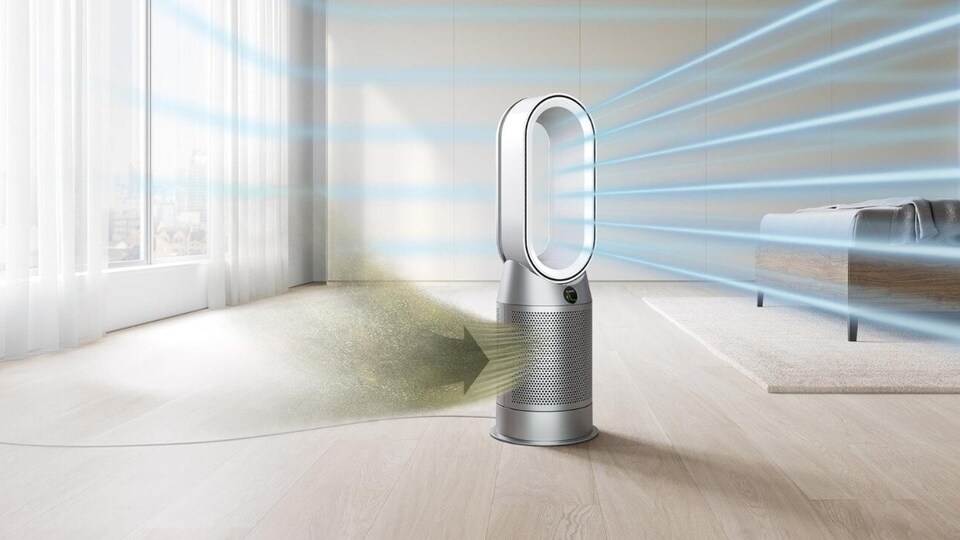
Air purifiers clean indoor air through continuous filtration. They usually include a fan that draws air in, filters that trap particles, and sometimes sensors that adjust airflow based on air quality. Pollutants such as PM2.5, PM10, dust, pollen, pet dander, and some harmful gases get captured by filters, and the purified air is released back into the room. Repeating this cycle gradually lowers indoor pollution levels.
Also read: Apple Watch Ultra 3 and Series 11 to come with fully 3D-printed titanium cases - All details
Common Filter Types
- HEPA Filters: True HEPA filters capture fine particles like PM2.5, which can affect the lungs and heart. HEPA-type or HEPA-like filters are cheaper but less efficient.
- Activated Carbon Filters: These remove gases, odours, fumes, and chemicals. They do not reduce particulate matter.
- Pre-Filters: Capture larger debris such as hair and dust, extending the life of the main filter.
- Ionisers and Plasma Systems: Release charged ions that make particles settle. They may produce ozone, which can irritate the lungs.
- UV-C Technology: Kills bacteria or viruses but does not replace particulate filtration.
- Hybrid Purifiers: Combine multiple filters, sometimes including UV-C or ionisers, with effectiveness depending on design rather than quantity of filters.
Also read:5 Reasons why OnePlus 15 could be the better pick over the Samsung Galaxy S25 Ultra
Factors to Consider Before Buying
- CADR (Clean Air Delivery Rate): Indicates how much clean air a purifier can deliver per hour. Ensure CADR matches the room size.
- Filter Replacement: Check availability, cost, lifespan, and local service options.
- Energy Use and Noise: Devices run for long hours, so energy efficiency and quiet operation are important.
- Smart Features: Wi-Fi, mobile control, and AQI displays can help track air quality, but are not essential.
- Design: Airflow paths should allow effective circulation; multiple intake points and top outlets improve performance.
Also read: College students can now claim Microsoft 365 Personal full access for free for one year: Here’s how
Common Myths
Air purifiers clean only the room they are in, not the entire house. HEPA filters do not remove odours or gases; activated carbon handles that. They are useful year-round, not just in winter, and a larger size does not guarantee better cleaning. Air purifiers reduce particles but cannot fully protect against viruses or infections.


