
 E-Paper



Buying smart glasses? Key factors you should know before you decide
Smart glasses are finally entering everyday life, but choosing the right pair isn’t easy. Here’s what you should check before buying your first smart glasses.

 Prefer HTon Google


Smart glasses have moved from early experiments to everyday products, and many people are now considering them as their next wearable. Although the idea has been around for years, these devices have only recently become practical enough for regular use. The market now offers audio-focused models, camera-first designs, and versions that show information in your field of view. With so many options available, it's helpful to understand your needs before buying a pair.

1. Know the Type You Want
The first step is to identify the category of smart glasses that fits your routine. The current market offers three broad types.
2. Audio-only smart glasses
These models look like regular eyewear but include small speakers in the temples. You can listen to music, answer calls, or use voice assistants without wearing earbuds. They do not include displays or cameras. They are usually lightweight and last longer on a single charge, but you should not expect features beyond audio.
Also read: Realme GT 8 Pro vs OnePlus 15: Which flagship smartphone pushes the limits this year?
3. Camera-equipped smart glasses
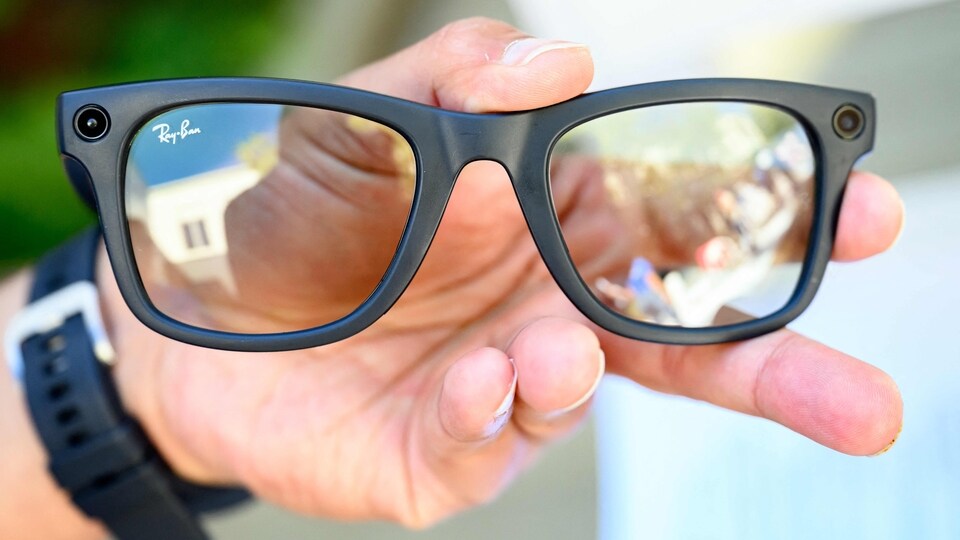
These include models such as Ray-Ban Meta. They include small cameras for photos, videos, and live-streaming. They often support voice commands and open-ear speakers. These glasses suit users who want to record hands-free content or capture moments without holding a phone. However, they raise privacy concerns, and some public spaces may not allow them.
4. Display-based smart glasses
These models include a small projector or microOLED system that shows navigation, notifications, or other information in front of your eyes. They offer the most advanced features but also come with shorter battery life. The display is intended for short interactions rather than long viewing periods.
It is important to choose the right category to avoid confusion later on. For example, buying a display model won’t help if you only need a hands-free audio device.
4. Check Comfort and Design
Modern smart glasses look more natural than early versions, but comfort still varies.
Weight: Glasses heavier than 50–55 grams can feel uncomfortable after long use. Display models often weigh more, so balance is important.
Fit: Smart glasses should sit like your regular eyewear. Thick temples or uneven weight can make them tiring.
Prescription support: If you use prescription lenses, confirm whether the frame supports lens replacement and whether the brand offers official options.
5. Evaluate Battery Life
Battery performance remains a challenge. Audio models typically offer 4 - 6 hours of playback. Camera models tend to drain faster, particularly when recording frequently. Display models consume the most power because the projector runs continuously. Most display glasses last only a few hours during active use.
Also read: Play Xbox games directly on your LG TV: Here’s what you need to start playing
6. Consider Camera Quality and Privacy
If the glasses include a camera, check video resolution, stabilisation, audio quality, and performance in low light. Remember that wearing a camera on your face affects how others respond. Many brands include recording indicators, but users still need to respect local rules and social boundaries.
7. Check Display Quality
If you choose a display model, check brightness for outdoor visibility, field of view, clarity, and whether the display is colour or monochrome. These displays work well for quick updates, but cannot replace your smartphone.
Smart glasses now offer more variety than ever, so understanding your needs will help you choose the right pair.


