
 E-Paper



Facebook, Instagram addiction linked to economic inequality, says research
The researchers reason that the underprivileged teenagers are more prone to share photos and videos because they associate them with status and authority.

 Prefer HTon Google


A new research on the addiction of Facebook, Instagram, WhatsApp, and other social media platforms claims that economic inequality is also a cause of the disproportionate usage of these social networking sites. The findings suggest that teenagers from underprivileged homes are more prone to report an addiction than those privileged.
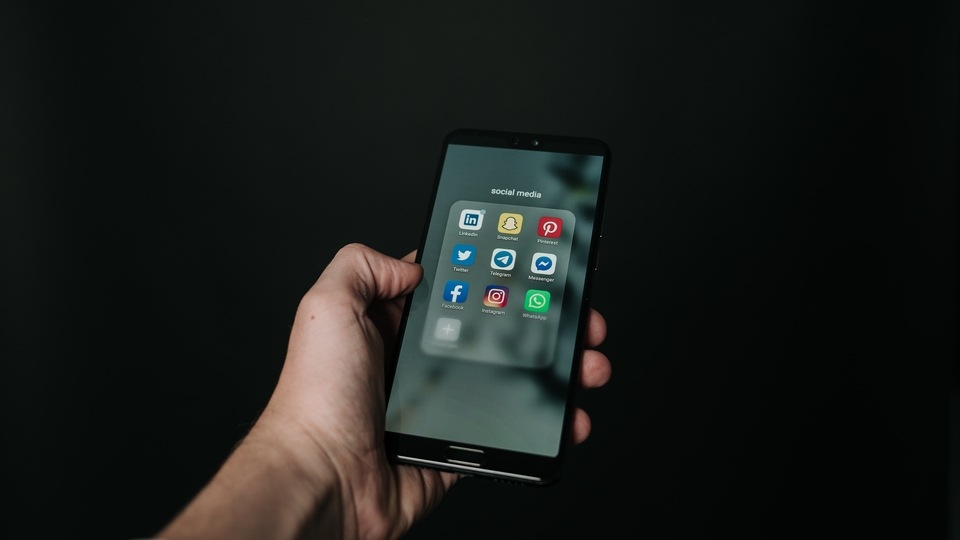
The research was published in the peer-reviewed journal Information, Communication, and Society. The study is the first of its kind to establish a connection between economic hardship and distressing usage of social networking sites and instant messaging services.
The findings were based on data from more than 179,000 kids in 40 countries. It showed that the situation worsened in schools where there are financial and social divides between students. The authors suggested that governments’ actions could assist in limiting the abnormal behaviour of young people to be unable to cut on screen time or lying about social media use to friends and family.
ALSO READ: How social media has changed the way we see ourselves
The research pointed out the need for a new social media usage policy that compensates for the effects of poverty. “Policymakers should create initiatives to lessen disparities and restrict adolescents’ unhealthy social media usage behaviours,” the study’s lead author Michela Lenzi was quoted by ANI.
Social media is used often by young people, and both the risks and the benefits to well-being have been largely studied. According to Statista’s social media addiction research on US users, a staggering 40% of people between the age group of 18-22 said they are ‘somewhat’ addicted to social media, while 37% in the age group of 23-38 confessed about addiction. The Digital 2022: India report by DataReportal says that there were over 46 crore social media users, accounting to 33.4 percent of the total population of India, in January 2022 (although not all were unique users).
The aim of this study was to look into the ties between problematic social media use (PSMU) in teenage and socio-economic disparities that can be gauged at the individual, school, and national levels. The research also explored how peer and family support acted as moderators.
ALSO READ: One week break from social media improves overall well-being, depression, anxiety: Study
Researchers gave kids a questionnaires to fill. The forms were completed anonymously in the presence of a teacher or qualified interviewer.
Those youngsters who listed more than six items were recognised with having PSMU. These items covered utilising social media to escape from uneasy sensations, trying to minimise its usage but failing, and feeling bad while not using it.
Scales of deprivation were measured using an index based on material possessions inside the home or family activities. It consisted of the number of bathrooms and the number of international family holidays taken in the previous year.
The researchers also assessed the level of social support from friends and family. They substantiated their conclusions by considering the country’s economy and the percentage of population of the nation that uses the internet.
The problem was more common in the teenagers who were substantially less privileged than their classmates and attended schools with greater economic disparities.
Teenagers who got less support from their peers had a considerable link with a wealth gap among classmates. The research underlined on the need for family support, as it showed that the connection between PSMU and income inequality in the country was only discovered in teenagers who noted having little family support.
The author stated that one possible reason for the findings is that the impoverished teenagers are more inclined to share photographs and videos because they equate them with status and power.
(With inputs from ANI)


