
 E-Paper



Google ordered to pay $12,500 after Street View car snaps naked photo of man at home and spreads it online
A man in Argentina was awarded $12,500 after a Google Street View photo caught him naked in his yard. The appeals court found Google guilty.


A court in Argentina has ruled that Google must pay $12,500 (1,081,750 INR) to a man after a Street View camera took a photo of him naked in his own yard and published it online for all to see. This unusual case has ended up raising important questions about privacy, technology, and responsibility in a digital world where cameras often capture more than we realise.
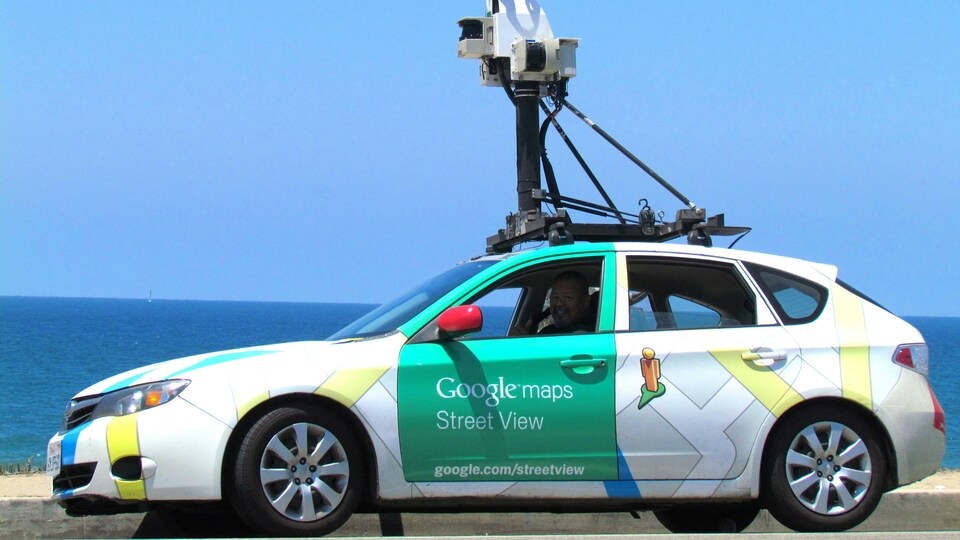

The man in question is a police officer. In 2017, while he was in his own walled garden in a small town, a Google Street View vehicle drove past. Somehow, its camera captured an image of him from behind, with no clothes on. The photograph also clearly showed the house number and street name. In the age of social media, it did not take long for the image to be broadcast on Argentine television and shared widely online. The man said this led to him being mocked by colleagues, embarrassed among neighbours, and the subject of unwanted attention.
At first, a lower court threw out his lawsuit, suggesting that he brought the matter on himself by not covering up in his yard. Google argued that the wall around his property was not tall enough to give him any reasonable expectation of privacy. But the officer’s appeal found more sympathy in a higher court.
What did the judges say?
The appeals judges looked at the facts differently. They pointed out that the wall was about six and a half feet tall, higher than most people, and covered the space where the man was standing. They reasoned that his expectation of privacy was strong in this scenario. The court wrote that this was “not an image captured in a public space but within the confines of a private home, behind a fence,” and called Google’s act “a blatant invasion of privacy.” They said that no person wants to be exposed to the world “as the day they were born.” Unlike most Street View publications, where faces and licence plates get blurred, the man’s whole body was shown instead.
Google has policies in place which are supposed to guard against these exact types of privacy violations. Faces usually get automatically blurred by their systems, and users can also request further blurring of homes or vehicles through Google’s “Report a problem” feature. The court used these policies to point out that Google knows it must take care with images before making them public. In this incident, the judges said, Google failed in its duty, CBS reported.
Responsibility and the limits of mapping technology
The judges cleared other parties, like a telecoms company and a local news outlet, for helping to spread the image, saying their actions simply highlighted Google’s initial blunder. In their ruling, they focused on the technology giant’s responsibility, making it clear that a person’s dignity and right to privacy should not be overruled by mapping projects or new digital tools.
Cases like this show how mistakes in technology can have real consequences for people’s reputations and daily lives. It also calls into question how well big tech is policing itself when it comes to privacy in an era where cameras are everywhere and images move fast.


