E-Paper



OLED laptops in India: Who should buy, who shouldn’t, and the best picks
OLED laptops offer a rich viewing experience, but they are not for everyone. Here’s exactly who should buy one and who should not. Read on.

 Prefer HTon Google


Research-Backed Choices
Every product we recommend is chosen through a combination of Primary Research and Secondary Research.
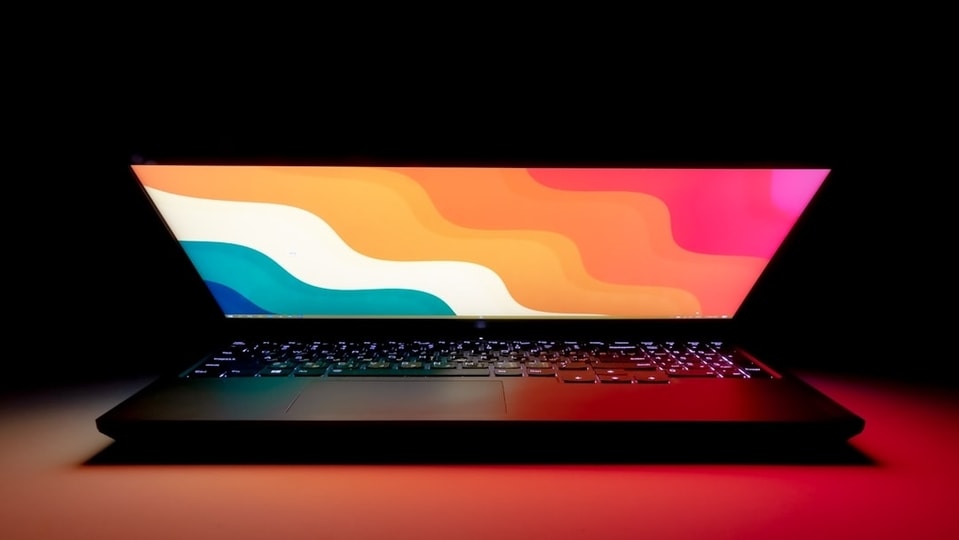

OLED laptops are everywhere these days, and for good reason. They offer stunning picture quality, deep inky blacks, true blacks in fact. They can be easy on the eyes in some cases and offer truly accurate displays. Luckily, there has been an influx of OLED laptops in India, with various manufacturers such as Samsung, HP, Asus, and others readily offering OLED laptops across different price points and for various use cases.
However, as good as OLED laptops seem on paper, they are certainly not for everyone. We have crafted a guide to help you understand who should buy an OLED laptop, who should avoid one, and what you should keep in mind before taking the plunge. We will also be talking about some of the most popular models around the ₹1 lakh mark, so that you can make an informed purchase. Read on.
Who should buy an OLED laptop?
- If you consume a lot of content on your laptop: For example if you watch a lot of TV shows, movies, and more, an OLED screen will do you justice. It allows for inky, true blacks, and the colours really pop. Depending on the tuning of the display, it can also look quite cinematic. So, if you value display quality over everything else, having an OLED display makes a world of difference.
- You value a rich-looking UI: Everyday usage also feels more premium. UI elements look richer and deeper, making daily use much more pleasing on an OLED laptop. If you work with a lot of text on your laptop and prefer using dark mode, the text can appear noticeably sharper, thanks to the much higher contrast ratio of OLED displays. So, if you deal with a lot of text or dark timelines, OLED laptops can be particularly useful.
- Working professionals and creatives: If you are a working professional who edits a lot of photos and videos, OLED panels offer excellent colour accuracy and high contrast, which can greatly help with editing work.
Who should not get an OLED laptop?
- If you work in very bright environments: If you frequently work in cafés or other brightly lit places, or if your office environment is very bright, OLED laptops may not be ideal. OLED screens generally do not get as bright as some other panel types, and this lower peak brightness can make them less visible in bright conditions.
- Burn-in concerns: While this issue has largely been mitigated, burn-in can still affect OLED screens, especially if you have constant elements on your display. This includes HUD elements in games, fixed UI layouts, or consistently displayed Excel spreadsheets and other static UI elements. Over the long term, this can still be a concern.
- If you are on a budget: Although OLED laptops have become more affordable, they still come at a premium compared to IPS LCD options. If you are on a tight budget and a laptop is available with both IPS LCD and OLED variants, you will save a significant amount of money by choosing the IPS LCD version. OLED laptops are still noticeably more expensive than standard IPS LCD laptops.
BEST OLED Laptops over ₹1 Lakh
If you are looking for options priced above ₹1 lakh, the ASUS ZenBook 14 is a strong choice. It comes with the Intel Core Ultra 9 Series 2 chipset, 32GB of RAM, a 1TB SSD, and a 3K OLED touchscreen display. It is a 14-inch laptop, which is an ideal size for most users, making it well suited for office use. It is also plenty powerful for demanding workloads.
2. Lenovo Yoga Slim 7 AI Laptop PC, 2025 Aura Edition Intel Core Ultra 7 258V, 14"/OLED/AI Now Screen, 47 Tops/Copilot+/Windows 11 (Office/Home 2024), 1.19 Kg, 83JX001MIN, 1Yr ADP, 32GB RAM/1TB SSD, Grey

Our Principles
Full Transparency
Every product review clearly lists the Pros and Cons, giving you a balanced view.
Brand Confidence
We focus on products from brands with a proven reputation and long-standing market trust.
Another good option to consider is the Lenovo Yoga Slim 7 AI laptop. It features the Intel Core Ultra 7 chipset, a 14-inch OLED display, and weighs just 1.19kg.
Best OLED Laptop Picks Under ₹90,000
This model makes for a good option under ₹90,000. It was originally launched at ₹1,29,990, but has since seen a significant price drop. The Zenbook A14 comes with the powerful Snapdragon X Elite chipset, which makes it highly efficient in terms of both battery life and performance. It offers 16GB of RAM along with a 512GB SSD. You also get Windows 11, along with Microsoft 365 Basic for one year.
It comes with various AI features, including Copilot+ PC integration and more. It is also extremely lightweight at just 0.9kg, making it very easy to carry around. The laptop packs a 70Wh battery, which is claimed to offer up to 32 hours of unplugged usage. It also supports fast charging and features a Full HD+ OLED display, which is a pleasure to use. The screen-to-body ratio stands at 90 percent, making the overall experience quite immersive.
Overall, this is a solid pick under ₹1,00,000. There is also a Snapdragon X variant available for ₹86,990, but we would recommend spending a few thousand rupees more to get the X Elite version, as it offers better value.
If you do not want a Snapdragon or ARM-powered laptop, you can opt for the ASUS VivoBook S16 OLED. It is powered by the Intel Core Ultra 5 225H chipset and comes with 16GB of RAM and a 512GB SSD. It features a 16-inch OLED panel, weighs 1.7kg, and houses a 70Wh battery. It is also suitable for AI tasks, offering 13 TOPS of AI performance. The large 16-inch screen makes it ideal for content consumption as well. It is currently available for ₹82,990 on Amazon, which is a fair price. So, if you do not want an ARM-powered laptop, this is one worth considering.