E-Paper



Which smart TV should you buy under ₹30,000? Compare these 5 models before making a decision
Explore five smart TVs across different screen sizes and display technologies, with a closer look at their features, trade-offs and buyer feedback.

 Prefer HTon Google


Our Picks
FAQs
Our Picks
| Product | Rating | Price |
|---|---|---|
Lumio Vision 7 II 2026 127 cm (50 inches) 4K Ultra-HD Smart QLED Google TV FTW2-ADSKView Details  | ₹34,999 | |
 | ||
Hisense 108 cm (43 Inches) 4K Ultra HD Smart Hi-QLED TV | 48W Speakers | Dolby Atmos & HDR10+ | Cricket Mode | World Fastest TV OS - VIDAA | 43E75Q (Black)View Details | ₹28,490 | |
| ||
Xiaomi (108 cm) 43 inch Smartchoice X 4K Ultra HD Smart | Dolby Vision | Eye Care Mode | Google TV | L43MB-AINView Details | ₹24,999 | |
| ||
Toshiba 40 Inch QLED Smart TV (40V37SP) | 60 Hz | REGZA Engine, VIDAA OS, Game Mode, DTS Virtual:X, WiFi, Direct LEDView Details | ₹23,990 | |
| ||
PHILIPS 109 cm (43 inches) 8100 Series 4K Ultra HD Smart QLED Google TV 43PQT8100/94View Details | ₹29,999 | |
| ||

Research-Backed Choices
Every product we recommend is chosen through a combination of Primary Research and Secondary Research.
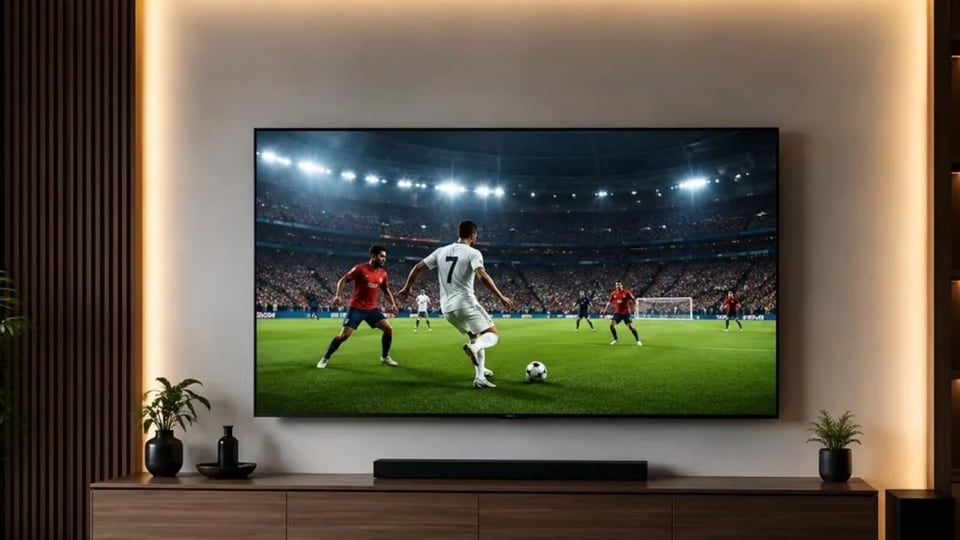

A television under ₹30,000 no longer has to mean settling for a basic screen. There are TVs with 4K resolution, QLED panels, Google TV, Dolby Vision and enhanced audio features in this segment. The challenge is knowing which features matter most and where a brand has made compromises to keep the price down. Here in this article, we bring together five smart TVs from Lumio, Hisense, Xiaomi, Toshiba and Philips. Screen sizes vary, so the comparison is not just about picture quality. The operating system, HDR support, sound formats, connectivity and everyday usability also deserve attention.
1. Lumio Vision 7 II 2026 127 cm (50 inches) 4K Ultra-HD Smart QLED Google TV FTW2-ADSK
The Lumio Vision 7 II is a 43-inch QLED television that brings together 4K resolution, Dolby Vision and Google TV. Its BOSS processor, 2GB DDR4 RAM and 64GB storage are designed to handle streaming and everyday navigation, while the 24W DGS Audio setup supports Dolby Atmos. It also offers HDMI 2.1 connectivity and a two-year comprehensive warranty.
Specifications
Reasons to buy

- QLED display and Dolby Vision support offer a more colour-rich viewing experience.
- 64GB storage gives users more room for apps than many budget televisions.
- HDMI 2.1 and eARC support provide useful connectivity for gaming consoles and soundbars.
Reason to avoid

- The 60Hz refresh rate is not aimed at buyers seeking high-refresh-rate gaming.
- The 43-inch screen may feel small in a large living room.
What are buyers saying on Amazon?
Customers praise the television's picture quality, Dolby Vision performance and sound, particularly for movies and YouTube. However, feedback on speed is divided. Some buyers report smooth operation, while others mention slow startup times. Reliability opinions are also mixed, with reports of both trouble-free use and issues.
Why we picked it
The combination of QLED, Dolby Vision and 64GB storage gives this television a distinctive feature set. It is worth considering if you want a well-equipped Google TV and can find the 43-inch variant within your budget.
2. Hisense 108 cm (43 Inches) 4K Ultra HD Smart Hi-QLED TV | 48W Speakers | Dolby Atmos & HDR10+ | Cricket Mode | World Fastest TV OS - VIDAA | 43E75Q (Black)

Our Principles
Full Transparency
Every product review clearly lists the Pros and Cons, giving you a balanced view.
Brand Confidence
We focus on products from brands with a proven reputation and long-standing market trust.
Hisense takes a different approach with the 43E75Q, pairing a 43-inch 4K QLED panel with a four-speaker audio system rated at 48W. Dolby Vision and Dolby Atmos support add to its entertainment credentials, while the VIDAA platform handles streaming and smart features. It also includes gaming-focused features such as ALLM and VRR, making it worth considering beyond regular television viewing.
Specifications
Reasons to buy
- The 48W four-speaker setup offers more powerful built-in audio than many televisions in this segment.
- QLED and Dolby Vision support make it suitable for HDR movies and streaming.
- ALLM and VRR support are useful additions for compatible gaming devices.
Reason to avoid
- VIDAA has a different app ecosystem from Google TV, so check that your preferred streaming services are available.
- The 60Hz panel is not designed for native high-refresh-rate gaming.
- Buyers who prefer Google's app library and interface may find the software experience less familiar.
What are buyers saying on Amazon?
Customers appreciate the vivid picture, deep contrast and sound quality, with some highlighting the wide colour gamut. Feedback on the software is less consistent. While some find Google TV-style navigation smooth, others report interruptions, app availability issues and noticeable delays.
Why we picked it
The 48W four-speaker setup is the main reason to consider this Hisense model. Buyers who watch a lot of movies or sports and prefer stronger built-in television audio may find its hardware particularly appealing.
3. Xiaomi (108 cm) 43 inch Smartchoice X 4K Ultra HD Smart | Dolby Vision | Eye Care Mode | Google TV | L43MB-AIN
Xiaomi's Smartchoice X is a 43-inch 4K LED television aimed at buyers who want a familiar smart platform without spending on a QLED panel. It supports Dolby Vision, HDR10 and Google TV, with a 30W speaker system for everyday entertainment. The model also includes dual-band Wi-Fi, Bluetooth and three HDMI ports, making it a practical option for a set-top box, console and soundbar.
Specifications
Reasons to buy
Google TV brings access to a familiar range of streaming apps and built-in casting.
Dolby Vision support adds HDR compatibility for supported films and shows.
The 30W audio system reduces the immediate need for an external speaker setup.
Reason to avoid
It uses a standard LED panel rather than QLED technology.
The 60Hz refresh rate is a limitation for buyers seeking smoother high-frame-rate gaming.
The 8GB internal storage leaves less room for installing additional apps.
What are buyers saying on Amazon?
Buyers have mixed opinions about the picture quality and value for money. Some find the display satisfactory for its price, while others are disappointed with the picture performance. Responsiveness is another concern, with customers reporting slow reactions while navigating the interface.
Why we picked it
This Xiaomi model focuses on the essentials: 4K resolution, Dolby Vision and Google TV. It is worth considering if you prefer Xiaomi's software ecosystem and would rather prioritise streaming convenience over a QLED panel.
4. Toshiba 40 Inch QLED Smart TV (40V37SP) | 60 Hz | REGZA Engine, VIDAA OS, Game Mode, DTS Virtual:X, WiFi, Direct LED
The Toshiba 40V37SP takes a slightly different route by offering a 40-inch QLED screen with Full HD resolution instead of 4K. It runs VIDAA and uses the REGZA Engine and REGZA Intelligence features for picture processing. Its 20W audio system, game mode and dual-band Wi-Fi cover everyday entertainment needs. The smaller screen may also suit bedrooms and compact viewing spaces.
Specifications
Reasons to buy
- QLED technology offers a wider colour-focused feature set than a basic LED television.
- The 40-inch size is easier to accommodate in smaller rooms.
- VIDAA provides access to popular streaming platforms, including Netflix and Prime Video.
Reason to avoid
- Full HD resolution offers less detail than the 4K televisions in this list.
- The 20W speaker output is lower than the audio systems on some competing models.
- The 40-inch screen may not be large enough for a spacious living room.
What are buyers saying on Amazon?
Customers praise the picture quality, contrast and vibrant colours, while several appreciate its value for money. Connectivity with streaming services also receives positive feedback. However, reliability opinions are mixed, with some buyers reporting trouble-free use and others mentioning failures within six months.
Why we picked it
Its 40-inch QLED screen makes this Toshiba a different proposition from the 43-inch 4K models. It is worth considering if you have limited room and would rather prioritise screen colour technology over 4K resolution.
5. PHILIPS 109 cm (43 inches) 8100 Series 4K Ultra HD Smart QLED Google TV 43PQT8100/94
Philips brings a 43-inch 4K QLED panel to this comparison, with Dolby Vision and Dolby Atmos support for compatible content. The television runs Google TV and includes 32GB of internal storage, along with a voice-enabled remote. Its 24W speaker configuration and three HDMI ports cover the basics for streaming and connecting external devices.
Specifications
Reasons to buy
- QLED and Dolby Vision support make it suitable for watching compatible HDR content.
- Google TV offers a familiar interface and access to popular streaming services.
- 32GB storage provides more room for apps than several entry-level smart TVs.
Reason to avoid
- The 24W speaker output may not satisfy buyers seeking room-filling audio.
- The 60Hz-class viewing experience is not intended for high-refresh-rate gaming.
What are buyers saying on Amazon?
Customers praise the 4K picture quality, Dolby Atmos audio and premium-looking design. Streaming apps such as Netflix and YouTube are reported to work smoothly by some buyers, although performance feedback is mixed. Installation experiences and remote responsiveness also receive varied opinions.
Why we picked it
The Philips television combines QLED visuals with Dolby Vision, Dolby Atmos and Google TV. Its 32GB storage is another useful differentiator, making it worth considering for buyers who install several streaming apps.
Top 3 features of smart TVs under ₹30,000
Factors to consider when buying a smart TV under ₹30,000
- Screen size and resolution: A 43-inch 4K television is a sensible starting point for many living rooms. If you are buying for a smaller bedroom, a 40-inch model may be sufficient. Also remember that QLED describes the display technology, not its resolution.
- Display technology and HDR: Compare LED and QLED panels, along with HDR formats such as Dolby Vision and HDR10. Support for an HDR format does not automatically guarantee high brightness or strong contrast, so consider the complete display specification.
- Operating system and app support: Google TV and VIDAA have different interfaces and app ecosystems. Check whether the streaming services you use regularly are available on the television before buying it.
- Audio and connectivity: Compare speaker output, HDMI ports, USB ports and eARC support. If you plan to connect a gaming console, set-top box and soundbar, having enough HDMI connections can save you from repeatedly switching cables.
Similar stories for you:
Planning a Diwali kitchen makeover? 3 chimneys to consider for your new or renovated kitchen
Projectors promise a bigger screen, but switching from a smart TV comes with compromises
Disclaimer: At Hindustan Times, we help you stay up-to-date with the latest trends and products. Hindustan Times has an affiliate partnership, so we may get a part of the revenue when you make a purchase. We shall not be liable for any claim under applicable laws, including but not limited to the Consumer Protection Act, 2019, with respect to the products. The products listed in this article are in no particular order of priority.