
 E-Paper



You might be using Gemini 3 the wrong way: Here’s what you should change to get better responses
Google has shared new guidance for Gemini 3, explaining how users can adjust prompts, tone and context to get clearer, more accurate responses.

 Prefer HTon Google


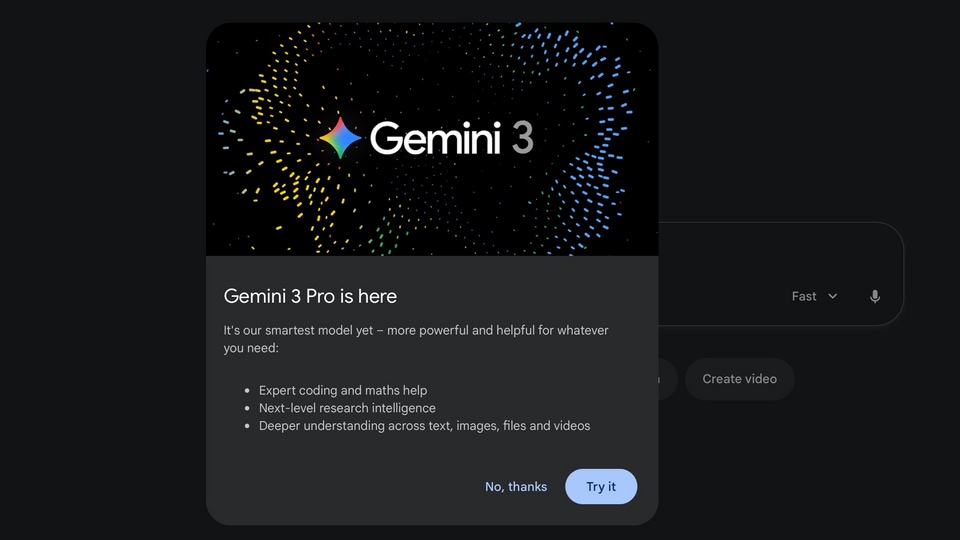
Google has introduced Gemini 3 with updated guidance on how users can get better results from the new AI model. The company outlined three simple practices that can help people use the system more effectively. These suggestions do not change core outputs but can make interactions smoother and more accurate. Let’s take a look.

Keep prompts clear and simple
For years, users considered prompt writing to be a detailed task and relied on lengthy instructions to guide AI systems. Google says this approach is no longer necessary for most interactions with Gemini 3. The company advises users to write short and direct prompts because the model performs best with clear instructions. Long or complex commands may cause the system to overthink the request.
Google acknowledges that additional detail is useful for certain tasks, but general prompts should be concise and simple.
Also read: OnePlus 15R 5G mobile along with Pad Go 2 confirmed to launch in India on this date…
Select the tone you want
AI tools have recently moved toward conversational styles, with many models offering friendly or expressive responses. Google says Gemini 3 defaults to a direct and efficient tone. If users prefer a more chat-focused or expressive style, they need to specify it.
For example, they can request an explanation “as a friendly and talkative assistant” to shift Gemini 3 toward a different tone. Those who want fast and concise output can rely on the default setting without adjusting anything.
Also read: iPhone's side button may get a new role with iOS 26.2 update: Here’s what’s changing
Manage context properly
Large-scale context handling has improved across AI systems, and Gemini 3 can process long documents, extensive code, or similar data. Google recommends placing the actual question or instruction at the end of the prompt when sharing large datasets.
The guide suggests starting the question with a phrase such as “Based on the information above…” to help the model focus on the provided material.
Also read: Xiaomi 17 Ultra key specs and India launch timeline tipped online: Check expected specs and features
Another option is to send the full text first and allow Gemini 3 to confirm that it has processed the content before giving instructions. This structure helps the model separate the task from the context, thereby minimising errors.
Google says these three practices can help users get the best results from Gemini 3 without relying on complex prompt engineering.


