E-Paper



Airbnb CEO Brian Chesky says almost entire executive team quit after he changed his leadership style
Brian Chesky's decision to take greater control of company operations led to almost his entire executive team leaving.

 Prefer HTon Google


Airbnb co-founder and CEO Brian Chesky has revealed that almost his entire executive team eventually left after he changed his leadership style. The shift towards a more hands-on approach came after he realised that the conventional management advice he had followed was not working for him.
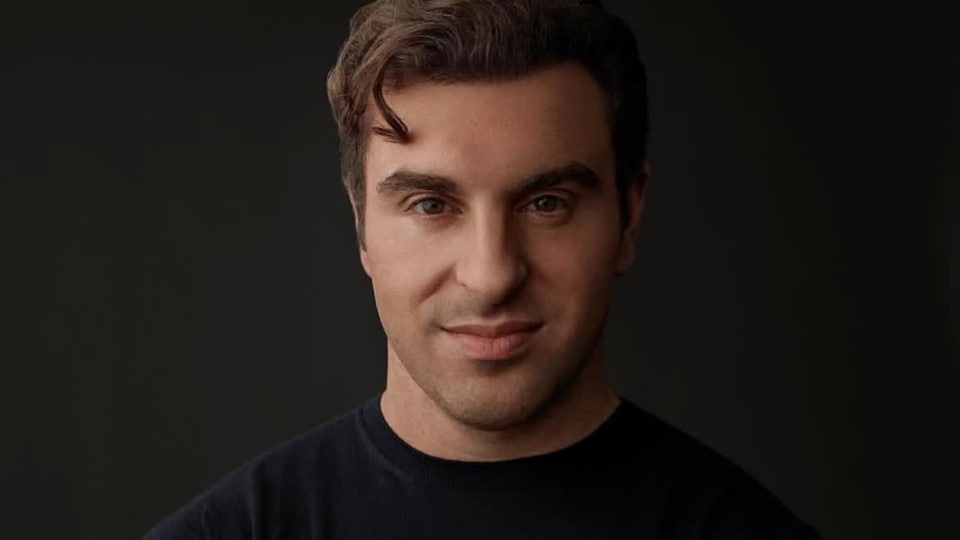
Speaking to Guy Raz on the podcast How I Built This, Chesky reflected on his early years as a CEO and admitted that while he had the instincts to build a company, leading one was a different challenge.
“I think I was pretty much naturally a great founder, and I was naturally a terrible CEO,” he said.
(Also Read: Ex-Miss Thailand arrested for misusing charity donations to buy luxury homes: ‘I’m sorry, everyone’)
Why almost the entire executive team left
As Airbnb expanded after its founding in 2008, Chesky followed conventional management advice. He hired experienced executives, trusted their judgement and gave them considerable freedom to make decisions.
However, he eventually realised that this approach did not work for him. When he began taking a more active role in the company's operations and decisions, several senior executives resisted the change.
“Almost the entire exec team left,” Chesky said, explaining that some chose to leave while others did not want to work under his leadership style.
He said he was not necessarily looking to retain everyone. Instead, he wanted to build a smaller group of executives who understood his approach and were willing to work with him.
How 'founder mode' changed Airbnb's leadership
Chesky began rethinking his management style in 2020, when the COVID-19 pandemic severely affected Airbnb's business. The company saw its revenue fall by 72%, while its plans for an initial public offering faced uncertainty.
During this period, former Apple designer Jony Ive offered him advice that changed his perspective. “You don't manage people. You manage people through the work,” Chesky recalled him saying.
Taking inspiration from Apple co-founder Steve Jobs, Chesky began reducing management layers and involving employees more directly in important decisions. Rather than allowing proposals to pass through several levels of approval, he brought the people working on a project and their managers into the same discussion.
This approach later became known as ‘founder mode’. Y Combinator co-founder Paul Graham popularised the term in a September 2024 essay, arguing that founders should remain closely involved in their businesses even as they grow.
(Also Read: Sarvam AI CEO offers lifetime access to 70-year-old oral cancer survivor seeking affordable speech tools)
Why Chesky prefers a hands-on approach
Chesky also acknowledged that he previously struggled with difficult conversations and often deferred to executives with more experience, even when their advice conflicted with his instincts.
“I wanted people to like me,” he said, describing himself as a people pleaser.
He has since hired people familiar with working for founders such as Jobs and Amazon founder Jeff Bezos. He believes this makes it easier to establish expectations and take quicker decisions.
However, Chesky does not believe a CEO should oversee every detail forever. He once reviewed around 70 drafts of a press release to demonstrate the standard he expected. Once employees understood his expectations, he could step back.
In a 2024 interview with Fortune, he summed up his approach bluntly: “If you want to be autonomous, start your own company.”