
 E-Paper



Geminid meteor shower 2025: Time, date and tips to watch the spectacular event in India
The Geminid meteor shower comes every December and dazzles astronomy enthusiasts. Here is how people in India can view it.

 Prefer HTon Google


The Geminid meteor shower is set to light up the night sky again. Considered among the most impressive meteor showers visible in the sky, the event is expected to peak in the intervening night of December 13-14, where around 120 meteors per hour would be visible, according to Time and Date.
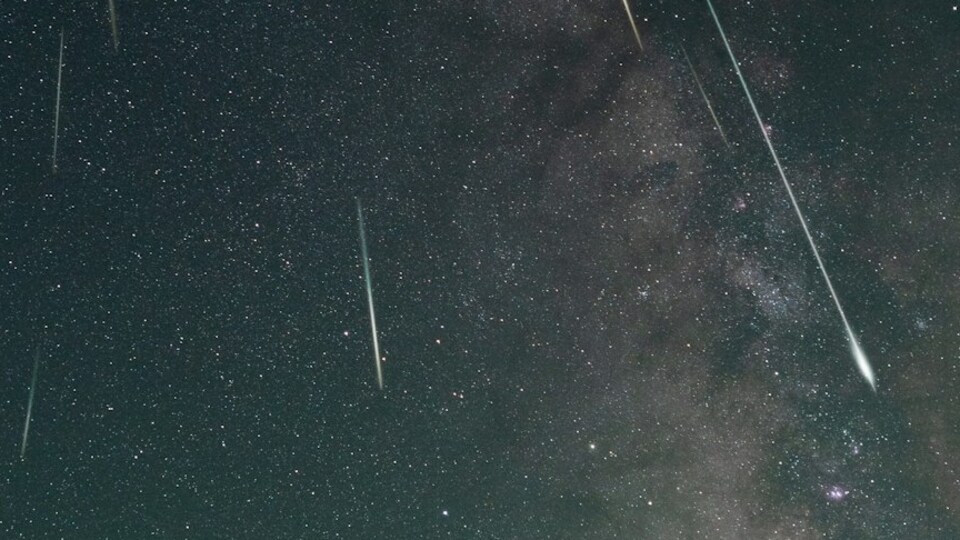
This meteor shower is known as the Geminid because it originates from the constellation Gemini. The Geminids are not associated with a comet but emerge from an asteroid called 3200 Phaeton. This asteroid takes around 1.4 years to orbit the Sun.
Also read: Namita Thapar’s Goa vacation photos prove she knows how to truly switch off
How to watch the Geminid meteor shower in India
According to Starscapes Zones, the best time for viewing the meteor shower in India is between midnight and 4 AM on December 14. During this period, the sky would be at its darkest, and the constellation Gemini would reach its highest point. In this timeframe, the meteors will appear more frequently and clearly.
To enjoy this sight, try and find a place where city lights are not strong. Give yourself a 15-20 minute head start so that your eyes become attuned to the darkness. Avoid using phones or other digital screens during this period so that your eyes remain focused on stargazing.
If you are in a hill station or a place away from the hustle of urban centres, the meteor shower will be even more clearly visible.
Also read: Heisman Trophy 2025 finalists: How do Mendoza, Sayin, Pavia, and Love compare? A look at their stats
What makes this meteor shower special
Every year, in December, the Earth passes through the zone, which contains the debris left by the asteroid 3200 Phaeton. The debris burns up on entering the Earth’s atmosphere and becomes visible in the form of the Geminid meteor shower.
These meteors are bright and move comparatively slowly across the sky, giving the spectators an ample opportunity to admire them. They also appear in streaks of yellow, green, blue, and white, as per Starscapes Zones.
Stargazers around the world wait for December to witness this spectacular display of celestial bodies. While telescopes can add to the joy of watching this event, the meteors are also visible to the naked eye.


