
 E-Paper



Preserved human brains dating back to 12,000 years challenge decay assumptions, surprise scientists
A study about these preserved brains, titled “Human brains preserve in diverse environments for at least 12,000 years”, was recently published.


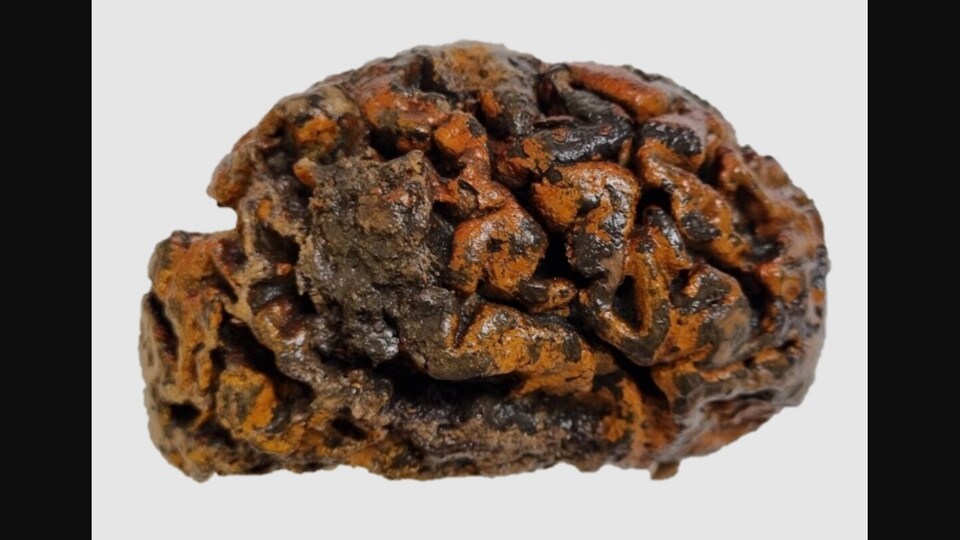
A group of scientists from the UK has created an archive of ancient human brains, some dating back to 12,000 years. They published a study about brains that have been naturally preserved for hundreds and thousands of years. This remarkable discovery challenges the conventional notion of brain decay and shows how this organ can resist decomposition far more than previously perceived. The brain decomposes shortly after death, but not in these cases.
Also Read: Researchers camping in Thailand discover a new scorpion species with 8 eyes and legs. See pics
The study “Human brains preserve in diverse environments for at least 12,000 years” was published in The Royal Society. “The brain is thought to be among the first human organs to decompose after death. The discovery of brains preserved in the archaeological record is therefore regarded as unusual,” reads an excerpt from the study.
How did the researchers build the archive?
According to the study, the researchers “collated an archive of more than 4400 human brains preserved in the archaeological record across approximately 12000 years, more than 1300 of which constitute the only soft tissue preserved amongst otherwise skeletonized remains”.
Also, “the untapped archive of preserved ancient brains represents an opportunity for bioarchaeological studies of human evolution, health and disease”.
Discovering preserved brains is ‘unique’ or ‘extremely rare’. The brains that are a part of the archive were collected from 213 unique sources. From dry deserts to frozen mountains, they were found in various environments.
Also Read: Frog with a mushroom sprouting from skin discovered in Western Ghats, researchers baffled
“We’re finding amazing numbers and types of ancient biomolecules preserved in these archaeological brains, and it’s exciting to explore all that they can tell us about life and death in our ancestors,” the study’s lead author, Alexandra Morton-Hayward, told the Independent.
“This record of ancient brains highlights the array of environments in which they can be preserved from the high Arctic to arid deserts,” Co-author Professor Erin Saupe, from the Department of Earth Sciences at the University of Oxford, added.


