
 E-Paper



How does Beaver Moon get its name? Here's when to see largest and closest supermoon of 2025
November's full moon, also known as the Beaver Moon, will be the closest and largest supermoon of 2025.

 Prefer HTon Google


November's full moon will be the largest and closest supermoon of 2025. Also known as the Beaver Moon, it will appear 30% brighter and up to 14% larger than usual. According to NASA, this phenomenon, where a new or full moon is at its closest to Earth all month, is known as “perigee.” As millions of sky gazers await the full moon's rise this month, here's all you need to know about its unique name and when to see it:
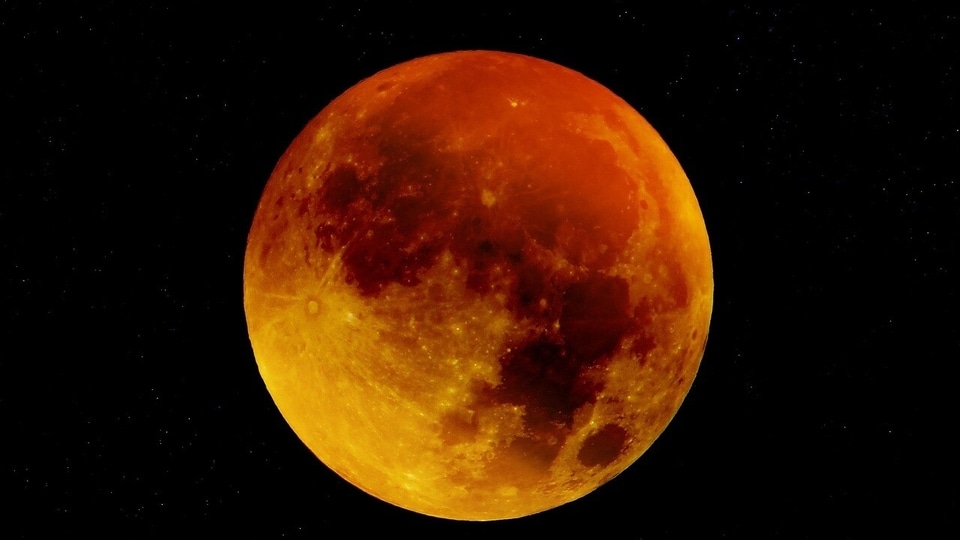
Beaver Moon 2025: When does November's full supermoon rise?
The full supermoon will be visible on Wednesday night, according to NASA. While the Beaver Moon will peak at 8:19 am on Wednesday, it will appear full on the nights of November 4 and 5. It will be the second of three consecutive full supermoons of 2025. The first one occurred on Monday, October 6, and the third will light up the skies on Thursday, December 4.
Of the three supermoons, the Beaver Moon will be the closest to Earth at 221,817 miles away from Earth. Meanwhile, December's moon comes in second at 221,965 miles and October's moon in the third spot at 224,600 miles.
How did Beaver Moon get its name?
The name Beaver Moon is tied to the North American fur trade, when beavers were trapped for their thick pelts, according to the Old Farmer's Almanac. As November marks the beginning of winter, beavers begin to take shelter in their lodges with ample food reserves for the colder days ahead. The November full moon's alternative names include Digging (or Scratching) Moon, Deer Rutting Moon, and Whitefish Moon, all tied to ancient folklore.
What is ‘moon illusion’?
While there is no scientific reason behind it, during the moonrise and moonset on Wednesday, the ‘moon illusion’ will come into effect. The unexplained phenomenon will make the Earth's satellite appear bigger and brighter than usual.
“Depending on your mindset, this news might be unsatisfying, or it could be a reason to marvel at our mysterious brains,” says NASA. “But despite the fact that people have been observing this illusion for thousands of years, we still don't have a rock-solid scientific explanation for it.”


