
 E-Paper



Student self-deports from US after months in ICE detention: 'I felt completely broken'
Joytu Chowdhury said he left the US on February 26 following what he described as a prolonged and emotionally exhausting ordeal in custody.

 Prefer HTon Google


A 24-year-old Bangladeshi former international student has self-deported from the US after spending months in immigration detention, alleging harsh conditions and a confusing legal process. However, US authorities have denied the claims, saying standard procedures were followed.
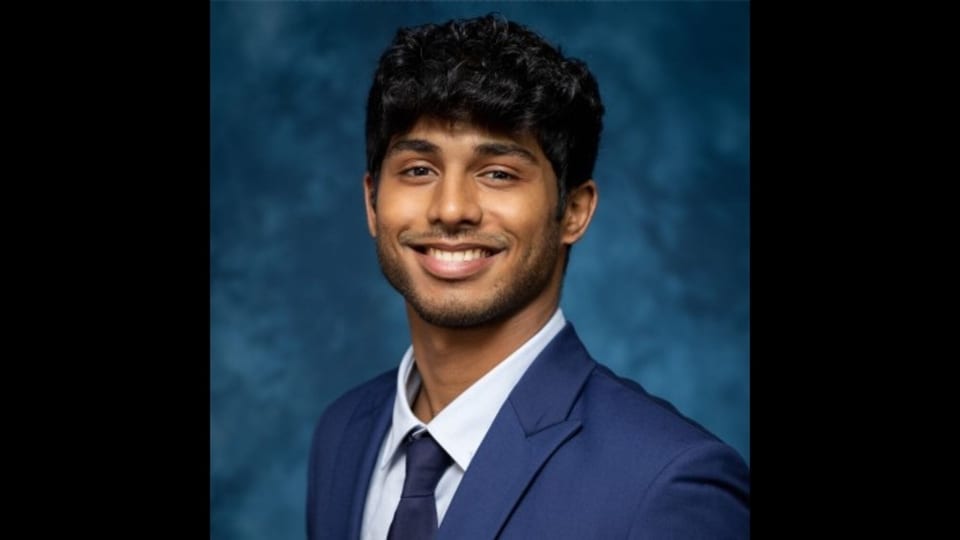
Joytu Chowdhury, who studied finance with a minor in computer science at Illinois Wesleyan University, said he left the US on February 26 following what he described as a prolonged and emotionally exhausting ordeal in custody, according to a report by Newsweek.
Chowdhury had entered the US on an F-1 student visa in December 2021. He said he was pursuing his studies and exploring legal immigration pathways, including potential permanent residency, when his visa status was terminated in August 2025.
According to the Department of Homeland Security (DHS), his record includes convictions for driving under the influence and retail theft. Chowdhury acknowledged past mistakes, saying he “deeply regrets” his actions, but added that the matters are still in process and expected to be resolved or dismissed.
What led to his detention?
According to Newsweek, he attributed his visa termination to a lapse in maintaining his SEVIS record during a transfer between schools. SEVIS is a federal database used to track international students’ visa status and enrollment.
Chowdhury said he was arrested by Immigration and Customs Enforcement (ICE) agents on December 3 in Illinois while driving to pick up his younger brother. He said that the arrest changed his life instantly, and described it as sudden and traumatic, claiming multiple unmarked vehicles followed him before officers conducted a traffic stop.
DHS confirmed the arrest but said it was part of routine enforcement, noting he was subject to removal proceedings.
Conditions inside detention centres
During his detention, Chowdhury said that he was transferred across several facilities in multiple states, including Missouri, Indiana and Illinois, often without clear explanations. He described the frequent transfers as confusing and destabilising.
He alleged that detention conditions were “extremely difficult” and “inhumane,” citing overcrowding, lack of privacy, poor food quality and inconsistent access to drinking water. He also claimed inadequate medical care, particularly for his ADHD, anxiety and depression.
“It didn’t feel like a place meant for people waiting on immigration cases. It felt like punishment,” he told the outlet.
DHS, however, rejected these allegations, stating that ICE detention centres maintain higher standards than most US prisons and provide comprehensive medical care from the moment detainees enter custody.
Chowdhury said the conditions ultimately led him to abandon his legal fight and opt for voluntary departure. “I reached a point where I felt completely broken—exhausted, overwhelmed and uncertain about everything. Eventually, I gave up and chose to self-deport, not because I wanted to but because I felt like I had no other choice left. In many ways, it felt like that's what the system pushes people toward—to wear them down until they can't keep fighting anymore,” he said.
He also alleged that arranging his departure was disorganised and costly, claiming he had to purchase flight tickets multiple times due to miscommunication and did not receive refunds.
DHS disputed this account too, saying Chowdhury had not initially purchased a ticket as instructed and was later denied boarding on a February 20 flight due to lacking a passport required for transit. The agency said it subsequently arranged a ticket for February 25 at no cost to him.
Now back in Chittagong, Bangladesh, Chowdhury is living with his family and attempting to rebuild his life. He said the separation from his wife, Ashley Yamilet, has been particularly difficult.
"I didn't just leave a country; I left behind years of hard work, relationships, stability and the life I was building. As someone who came from a difficult background and worked hard to create opportunities, having to walk away from everything felt like losing a part of myself," Chowdhury said.


