
 E-Paper



This CEO took legal advice from ChatGPT to avoid paying $250 million bonus. It backfired
The court stressed that company executives are expected to exercise independent judgment, not outsource good-faith decisions to an AI.

 Prefer HTon Google


A South Korean gaming giant that hatched a plan using ChatGPT to remove the heads of one of its own game studios in a bid to avoid paying $250 million has been ordered by a US court to reverse the removal.
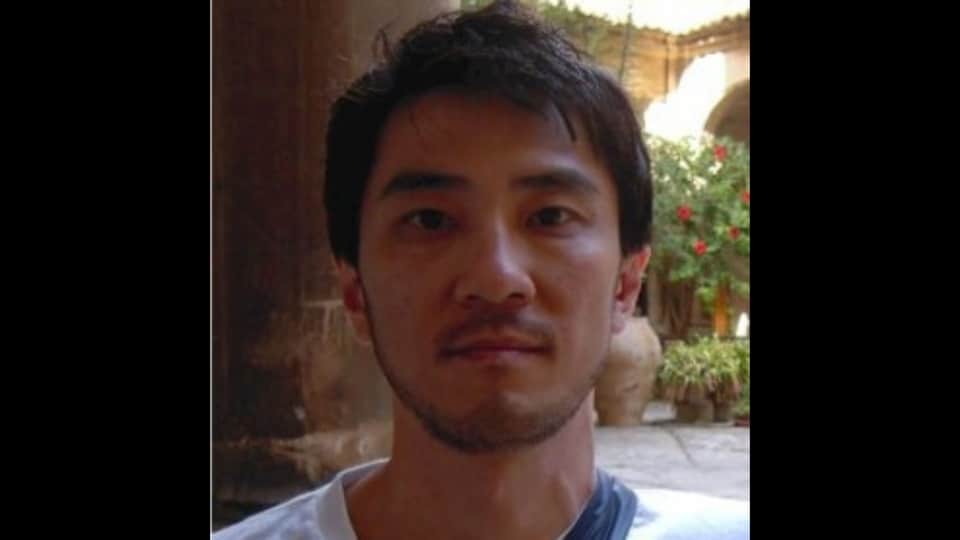
According to a report by Fortune, the dispute traces back to Krafton’s $500 million acquisition of Unknown Worlds Entertainment in 2021, the studio behind the popular game Subnautica. As part of the deal, Krafton had agreed to pay an additional $250 million bonus if the sequel, Subnautica 2, met certain sales targets. The agreement also reportedly ensured that Unknown Worlds would operate independently, with co-founders Charlie Cleveland and Max McGuire, along with CEO Ted Gill, retaining control unless removed for valid cause.
However, as the studio prepared for the sequel’s release last year, internal projections suggested the earn-out would likely be triggered.
Krafton CEO Changhan Kim believed that it was a “bad deal” and felt “taken advantage of”. He was warned by his legal team that the earnout would still need to be paid even if it was a “dismissal with cause” of the Unknown Worlds’ leadership. He was also reportedly warned that it would expose Krafton to “lawsuit and reputation risk”.
This is when Kim turned to ChatGPT for guidance, the Fortune reported. “Fearing he had agreed to a ‘pushover’ contract, KRAFTON’s CEO consulted an artificial intelligence chatbot to contrive a corporate ‘takeover’ strategy,” Delaware’s Court of Chancery Vice Chancellor Lori Will wrote in a ruling.
(Also Read: CEO compares his ₹10 chai with employee’s fancy Starbucks drink, sparks salary debate)
Project X
According to court findings, the chatbot initially indicated the earn-out would be “difficult to cancel”. But it later suggested forming an internal task force, dubbed “Project X”, to renegotiate terms or take control of the studio if talks failed.
The AI reportedly advised steps such as securing publishing rights on platforms like Steam, gaining control over the game’s code, reframing the dispute as an issue of “quality” and “fan trust”, and preparing legal defences. It even helped draft a public message aimed at winning over fans.
However, the strategy backfired. The move alarmed the gaming community and raised concerns about the studio’s stability. Meanwhile, Cleveland, McGuire and Gill were removed from their roles without what the court later ruled was legitimate cause.
(Also Read: 'Will AI replace lawyers? Law intern asks to use ChatGPT for witness analysis, gets hard copies instead)
Court's ruling
In its decision, the court said Krafton had improperly ousted the leadership and stressed that company executives are expected to exercise independent judgment, not outsource good-faith decisions to an AI.
As part of the ruling, Gill has been reinstated as CEO, with the authority to bring back the co-founders. The earn-out period has also been extended to account for the disruption caused.
Krafton, in a statement, said it disagreed with the ruling and is evaluating its options. The company added that it remains focused on delivering the best possible version of Subnautica 2 and is working “tirelessly” towards its early access release.


