E-Paper



After 13 days of non-stop strikes, why did Trump pause attacks on Iran now?
JD Vance and Dan Caine reportedly voiced their concerns during a White House meeting on Friday as Trump weighed the possibility of escalating the conflict.

 Prefer HTon Google


The exact reason behind why the United States suddenly paused its military campaign against Iran after 13 straight days of attacks remains unclear. However, Vice President JD Vance and Chairman of the Joint Chiefs of Staff Gen. Dan Caine reportedly raised concerns over further escalation and US weapons stockpiles before the decision.
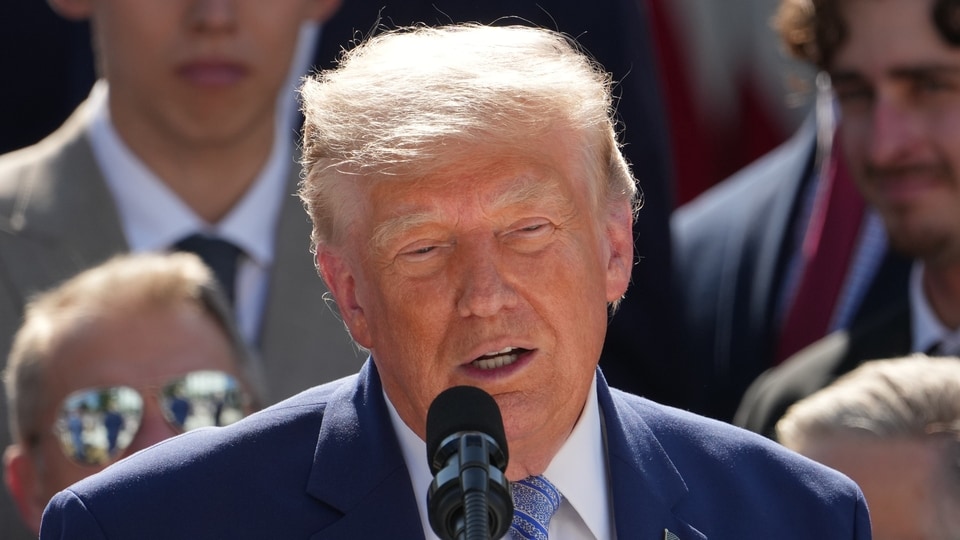
Vance and Caine voiced their concerns during a White House meeting on Friday as President Donald Trump weighed the possibility of escalating the conflict, CNN reported. On Friday night, the US appeared to pause its campaign of consecutive nightly strikes, with a Department of Defense source telling the media outlet that operations are currently on a hold.
Also Read: US halts attacks at Iran, road to diplomacy open? What is happening in West Asia
Concerns over escalation, stockpiles
During Friday's meeting, Caine specifically warned Trump about the US munitions stockpile and other potential consequences of escalating the conflict, according to CNN. One of the sources told the network that Caine said the military could successfully carry out the options available to the president but cautioned about the possible implications.
The concern over stockpiles was reportedly one of several issues raised during the meeting.
However, it remains unclear whether the concerns over weapons stockpiles or the warning about escalation were the primary reasons behind the decision to pause the consecutive strikes.
According to the report, key US weapons stockpiles remain significantly depleted and could come under further pressure if military operations against Iran continue. The network also reported that before the war began, Caine and other military leaders had warned Trump that a prolonged military campaign could affect US weapons stockpiles.
Few within Trump's inner circle or inside the Pentagon believed the president's available options for escalation would produce the results he was seeking.
Also Read: Houthis fire on two Saudi oil sites in Red Sea; no fresh US strikes for first time in two weeks
Trump says talks continue
After Friday's meeting with Cabinet members and senior advisers, Trump said the US was continuing negotiations with Iran while keeping military options open.
"We're talking to [the Iranians] right now. I think they're getting more and more serious as the days go by. We're locked and loaded and ready to go, but we're talking to them," Axios reported Trump as saying.
He also said it remained possible that the US military could continue its bombing campaign or "make it a heavier dose," while claiming Iran appeared to be getting "more serious" in the ongoing talks.
White House Communications Director Steven Cheung said in a statement to CNN , "President Trump has always been consistent in saying he prefers a diplomatic solution, but he continues to retain all options if Iran continues terrorist activities in the (Strait) of Hormuz or against allies."
"Combined with successful sanctions that have crippled Iran's economy and 13 straight days of strikes against military targets in response to their repeated aggression, it would be wise for Iran to work towards a negotiated deal. Otherwise, they know what will happen," Cheung added.
Diplomatic efforts resume
The pause in strikes comes as diplomatic efforts appear to be gaining momentum.
According to Axios, Trump, who had approved strikes every day over the previous two weeks, did not give the green light for another strike on Friday.
Axios reported that an Omani delegation is visiting Iran and working on an agreement to reopen the Strait of Hormuz. Citing two regional sources, the report said Iran and Oman could reach an arrangement over the weekend.
Even after Trump publicly said he was considering a major attack on Iran this week, he had privately instructed negotiators to "keep talking," underscoring how he was weighing limited military operations while pursuing diplomacy, as per the CNN report.
As of Friday afternoon, the Trump administration was still deliberating what a potential escalation would look like, reported CNN, citing a source familiar with the matter. Gulf countries have urged restraint in recent conversations with administration officials while acknowledging that the US has unique capabilities should it choose to escalate the conflict further.
Pentagon says military remains ready
Despite the concerns raised internally, the Pentagon maintained that the US military remains fully prepared.
"America's military is the most powerful in the world and has everything it needs to execute at the time and place of the President's choosing," Chief Pentagon Spokesman Sean Parnell told CNN.
"We have executed multiple successful operations across combatant commands while ensuring the US military possesses a deep arsenal of capabilities to protect our people and our interests."
(With inputs from agencies)