
 E-Paper



5 resignations in three years: Why France is looking for its sixth prime minister
On Wednesday, Emmanuel Macron’s office announced that he would appoint a new prime minister within 48 hours.

 Prefer HTon Google


French President Emmanuel Macron is back to searching for the country’s sixth prime minister in just under two years after Sebastien Lecornu resigned from the post on Monday and was asked to negotiate with the political groups in the National Assembly.
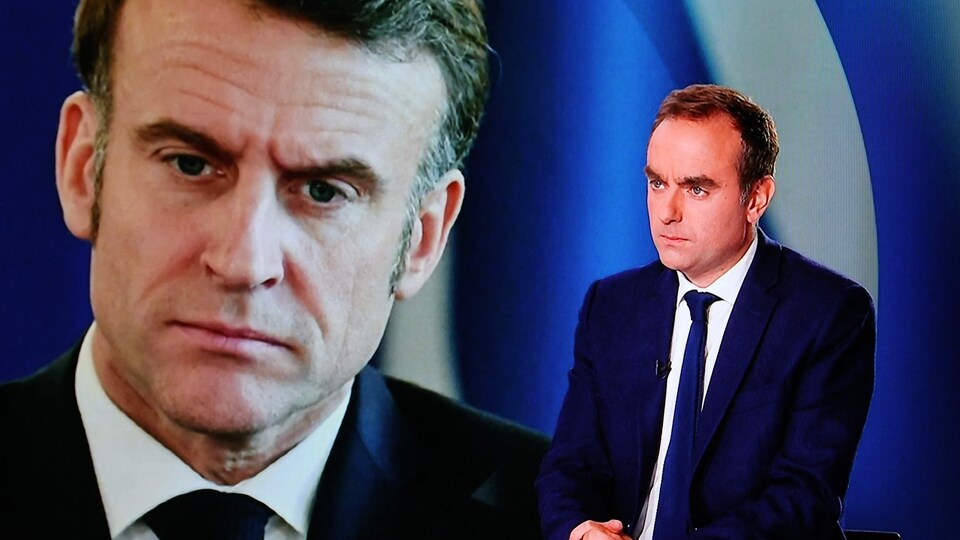
On Wednesday, Macron’s office announced that he would appoint a new prime minister within 48 hours while Lecornu heels talks to bring France out of its worst political crisis in decades.
Notably, Lecornu tendered his resignation just weeks after assuming office and a few hours after announcing the cabinet line-up, making it the shortest-lived administration in modern France.
ALSO READ | Lecornu resignation: France’s elusive search for political stability
The outgoing prime minister has said that sufficient efforts have been made to allow work to begin on forming a new cabinet. Meanwhile, rival parties have mostly maintained their views on how to proceed as the Socialists said that Macron should appoint a candidate from the left, while the Republicans have declared that they would not back a leftist candidate.
Here’s why France is looking for its sixth prime minister now:
Lecornu’s resignation
The outgoing PM said the role he had taken on had turned out to be unworkable. Lecornu had spent weeks speaking to political parties from all sides, as well as unions and business leaders, but those talks did not bring agreement on what the government sees as its main goal at home, which is to pass next year’s budget.
“Being prime minister is a difficult task, doubtless even a bit harder at the moment, but one cannot be prime minister when the conditions aren’t fulfilled,” Lecornu said.
The hung parliament crisis
Macron called snap legislative elections, but the move worked against him and led to a hung Parliament in July 2024. Still, the French leader felt that his side could continue to run the country even without a firm majority.
Macron’s rivals in the National Assembly, mainly from the far left and far right, have shown no sign of cooperating.
Even though they strongly disagree with each other, they have often united against the president’s prime ministers and their minority governments, bringing them down one after another.
Since September 2024, Macron has already seen Gabriel Attal, Michel Barnier, François Bayrou and now close ally Lecornu leave the role of prime minister. Whoever he chooses next will likely face the same unstable situation.
Macron has said before that he will not step down and plans to complete his second and final term as president, which ends in 2027. But holding new elections for the National Assembly would bring serious risks for him.
The 5 PMs who resigned and why
1. Elisabeth Borne served from May 2022 to Jan 2024: She used legislation to avoid a Parliamentary vote to bring in the controversial rise in the retirement age, which led to huge protests.
2. Gabriel Attal served from January 2024 to September 2024: He was unable to push through his plan to cut unemployment benefits by shortening their duration and refusing tax increases. The hung parliament caused by the snap elections led to his resignation.
3. Michel Barnier served from September 2024 to December 2024. He was removed after a no-confidence vote in parliament.
4. Francois Bayrou served from December 2024 to September 2025: He failed to pass his 44 million euro budget focused on austerity, which would have removed two public holidays and frozen pensions and social spending.
5. Sebastien Lecornu served from September 2025 to October 2025.
With inputs from agencies


