
 E-Paper



50 days after occupation, no recognition for brutal Taliban regime in Kabul
The international community, including India, have put the onus of the recognition of the Taliban regime on Doha deal makers as the entire agreement is shrouded in secrecy.

 Prefer HTon Google


Fifty days after the Sunni Pashtun terrorist force militarily occupied Kabul, there are no international takers for the Taliban with India putting the onus on the secrecy of Doha deal makers to take the first step towards recognition of the medieval Islamic regime. The so-called Doha Peace Process was between US special envoy Zalmay Khalilzad, now Taliban deputy prime minister Mullah Abdul Ghani Baradar, Qatari national security advisor Mohammed bin Ahmed Al Mesned, UK chief of defence staff Nick Carter and Pakistani army chief Qamar Jawed Bajwa. The details of the Doha process have not been shared with any other country. Behind the scenes, Russian presidential envoy to Afghanistan Zamir Kabulov and Chinese foreign minister Wang Yi supported the Taliban takeover of Kabul.
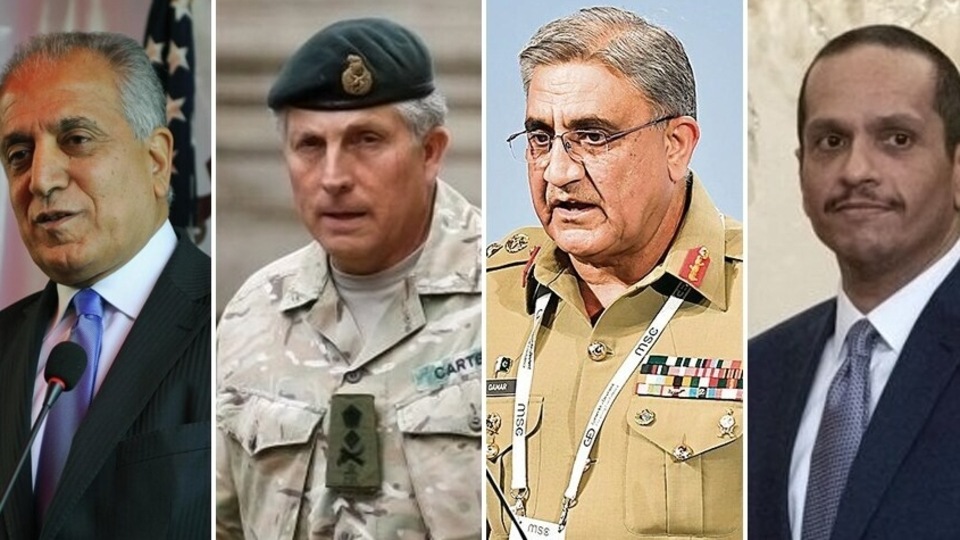
Since Pakistani ISI backed Sirajuddin Haqqani captured Kabul on August 15, the Taliban have formed an exclusive government with no space for neither the minorities nor women. Women have been pushed back to the medieval ages with Sharia law in force and large scale atrocities have been mounted on anyone perceived to be an enemy of the Taliban. Even the motto of the Afghan National Army has been changed and now resembles that of the Pakistan army.
According to a Kabul watcher, no country wants to take lead in recognising the Taliban regime after all the commitments made and publicly voiced by Mullah Abdul Ghani Baradar to the Doha process have been thrown out of the window. To add to this, the international community is now blaming the Doha deal makers for human rights abuses in Afghanistan as it was none other than UK CDS Carter who promoted the Taliban by calling them “country boys” and wanted the global community to give them space as the majority of the Taliban boys were born after the 9/11 attacks. “It may be that this Taliban is different Taliban from the one that people remember from the 1990s.”
The tremendous miscalculation made by the Doha deal makers is evident from the fact that now even General Mark Milley, US chairman of Joint Chiefs of Staff Committee, has changed his tune by calling the Taliban a terrorist group in bed with al Qaeda. The Taliban regime with ISI as mid-wife remain as medieval as in the past and have no qualms about undoing all that was done by the US-led coalition forces in the past 20 years. There is infighting within the Kabul regime with Taliban headed by Mullah Yaqoob on one side and Sirajuddin Haqqani on the other with Baradar having nowhere to go.
While Pakistan Prime Minister Imran Khan praised the Taliban for breaking the shackles of (US) slavery on August 15, Islamabad is no longer happy with the situation with no country wanting to recognise the regime and the UN passing a stringent 2593 resolution on Afghanistan under the presidentship of India on August 30. Even Islamabad’s hope that the Taliban regime would force the Tehreek-e-Taliban Pakistan to come to the table has failed as the latter terror group is simply not interested and has started to engage Rawalpindi again. To add to Islamabad’s misery is the fact that India heads the 1267 committee, responsible for designating and revoking terrorist labels and ensuing sanctions, in the UN by end of 2022.
“It is for countries that are privy to the Doha accord which should recognize the Taliban regime first as no one is aware of the details of the agreement. After what has Taliban done to Afghanistan, these Doha countries have no right to question any other country on human rights abuses,” said a former foreign secretary.
With no governance in Kabul, food and fuel supplies running short in Afghanistan, the Taliban terror regime is rapidly taking the already failed country to disaster. And the Doha peacemakers must share this burden.


