
 E-Paper



A ‘mistake’? PM Boris merges foreign, aid departments
Former Prime Minister David Cameron welcomed the intention to retain the UK’s commitment to spend 0.7 per cent of its GDP on international aid, but said “the decision to merge the departments is a mistake”.


Prime Minister Boris Johnson on Tuesday announced the merger of the Foreign and Commonwealth Office with the Department for International Development (DfID) as part of his vision for a ‘Global Britain’, but it was soon panned by critics as a ‘mistake’.
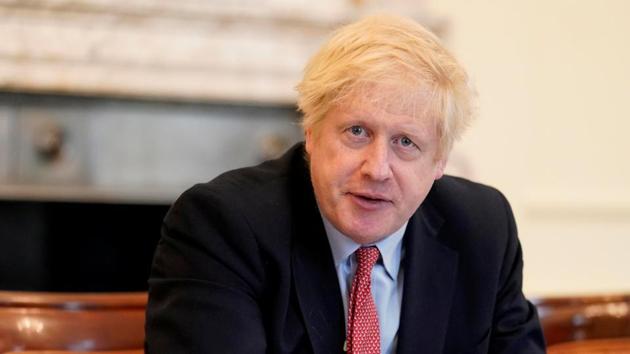
Former Prime Minister David Cameron welcomed the intention to retain the UK’s commitment to spend 0.7 per cent of its GDP on international aid, but said “the decision to merge the departments is a mistake”. The new department is to be called Foreign, Commonwealth and Development Office.
Cameron tweeted: “More could and should be done to co-ordinate aid and foreign policy…but the end of @DFID_UK will mean less expertise, less voice for development at the top table and ultimately less respect for the UK overseas”.
Labour and campaign groups such as Oxfam criticised the move as Johnson outlined the merger to take effect from September to “unite aid with our diplomacy” as part of what he called “long overdue reform” in Whitehall. The DfID was created in 1997; the UK no longer gives aid to India but funds some projects.
Former Prime Minister Tony Blair expressed dismay: “I am utterly dismayed by the decision to abolish DfID. We created DfID in 1997 to play a strong, important role in projecting British soft power. It has done so to general global acclaim”.
“The strategic aims of alignment and diplomacy and focus on new areas of strategic interest to Britain could be accomplished without its abolition. Wrong and regressive move”.
Former Prime Minister Gordon Brown also opposed the move, reiterating his view that the merger “would essentially solve one big problem – the rundown of Britain’s diplomatic service – by creating a much larger problem: the loss of Britain’s soft power”.
Labour leader Keir Starmer said there was “no rationale” for the merger, while Conservative MP Andrew Mitchell, who was international development secretary from 2010 to 2012, said abolishing the department would be a “quite extraordinary mistake”.
According to Johnson, the merger will give more powers to British ambassadors.
He said in a statement to the House of Commons: “The Foreign Secretary will be empowered to decide which countries receive – or cease to receive – British aid, while delivering a single UK strategy for each country, overseen by the National Security Council, which I chair”.
“Those strategies will be implemented on the ground by the relevant UK Ambassador, who will lead all of the Government’s work in the host country. And in this we are following the examples of Australia, Canada and New Zealand, all of whom run their development programmes from their foreign ministries”.
“And we will align other British assets overseas, including our trade commissioners, who will come under the authority of the UK ambassador, bringing more coherence to our international presence”, he added.
Oxfam GB chief executive Danny Sriskandarajah joined the voices opposing the merger: “It is scarcely believable that at a time when decades of progress are under threat from Covid, the prime minister has decided to scrap DfID, a world leader in the fight against poverty”.
“This decision puts politics above the needs of the poorest people and will mean more people around the world will die unnecessarily from hunger and disease. The Foreign Office may be excellent at diplomacy but it has a patchy record of aid delivery and is not as transparent as DfID”.


