
 E-Paper



Afghan Taliban reiterates plans to forge ‘bilateral relations’ with all
The Taliban’s latest statements are being closely followed in diplomatic circles in New Delhi and by experts who track developments in Afghanistan.


The Afghan Taliban has spoken of its plans to forge “bilateral relations” with countries around the world for the second time in less than a week, even though the terror group’s deal with the US doesn’t envisage a role for it in the government in Kabul.
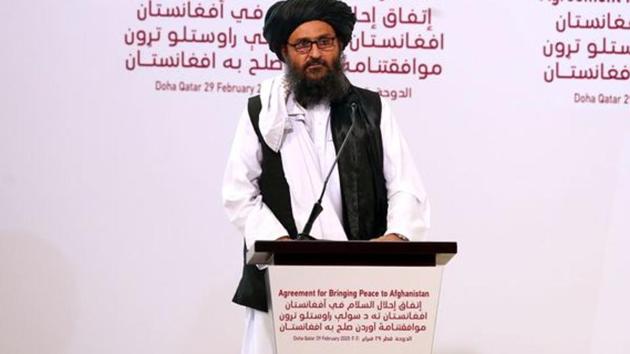
Taliban deputy leader Mullah Abdul Ghani Baradar referred to the group’s plans to have bilateral relations during a phone conversation with US President Donald Trump on Tuesday, according to a readout from a Taliban spokesman.
“Mullah Baradar further said that the Islamic Emirate of Afghanistan is a strong political and military force that aims and has the potential of maintaining positive bilateral relations with you and other world countries,” Baradar was quoted as saying to Trump during the conversation that purportedly lasted 35 minutes.
Trump confirmed the conversation to reporters in Washington, saying he had a “very good talk” with a Taliban leader.
Taliban chief Hibatullah Akhundzada had gone a step further in a message issued on February 29, after the group signed a deal with the US that envisages the complete withdrawal of foreign troops from Afghanistan within 14 months, and spoken of “positive bilateral relations” with regional countries.
“The Islamic Emirate believes in maintaining positive bilateral relations with the world and especially with the regional countries and is committed to the principle of good neighbourly relations with its neighbours,” he had said.
There was no immediate response from Indian officials to these remarks.
A person familiar with developments, who declined to be identified, said: “It’s strange that the Taliban are already talking of establishing bilateral ties when they aren’t even in government. This seems to be part of their posturing.”
The Taliban’s latest statements are being closely followed in diplomatic circles in New Delhi and by experts who track developments in Afghanistan.
The Taliban have carried out attacks on Afghan forces at least five places across Afghanistan since they ended a partial truce, killing 16 soldiers in Kunduz province. Hours after the call between Trump and Baradar, the US carried out what it said was a “defensive strike” on the Taliban.
Photos released by the Taliban showed US special representative Zalmay Khalilzad was present with the group’s leaders when they made the call to Trump from Doha in Qatar. Baradar welcomed the first contact with Trump and asked him to take “determined actions” for the withdrawal of foreign forces. He also spoke of “establishing a government of our own choosing”.
Trump told reporters: “We had a good conversation. We’ve agreed there’s no violence.”


