
 E-Paper



Ban on new petrol and diesel cars in UK from 2030
Outlining his 10-point plan for a “UK Green Industrial Revolution,” British Prime Minister Boris Johnson said that GBP 582 million has been allocated as grants for those buying zero or ultra-low emission vehicles to make them cheaper to buy and incentivise more people to make the transition.

 Prefer HTon Google


British Prime Minister Boris Johnson on Tuesday night announced a ban on the sale of petrol and diesel cars by 2030 as part of a £12 billion green agenda, including £1.3 billion to roll out charging points for electric vehicles in homes, streets and on motorways across England.
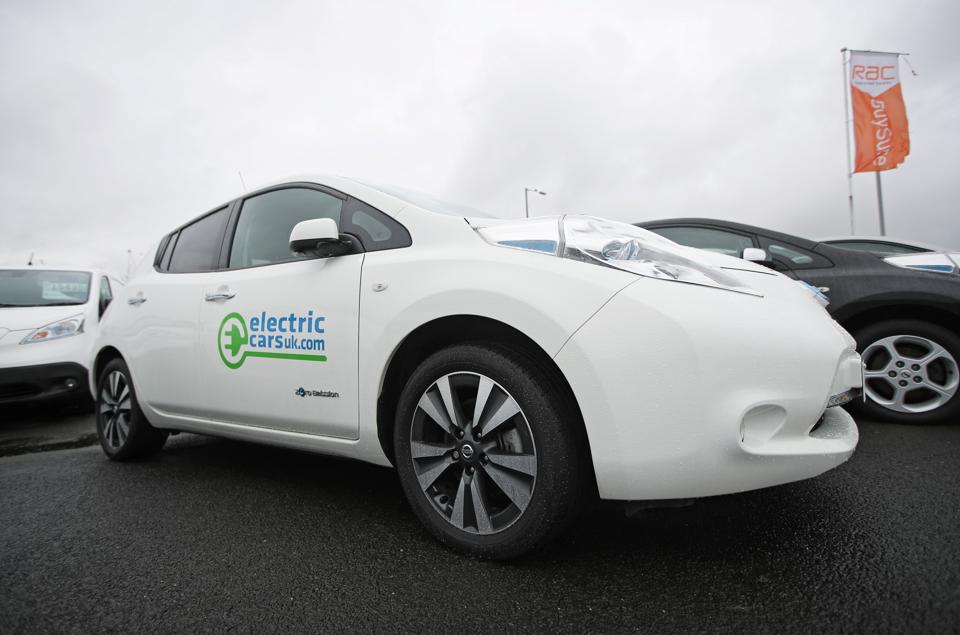
Outlining his 10-point plan for a “UK Green Industrial Revolution”, Johnson said £582 million has been allocated as grants for those buying zero or ultra-low emission vehicles to make them cheaper to buy and incentivise more people to make the transition. Nearly £500 million will be spent in the next four years for the development and production of electric vehicle batteries, officials said, adding that the ban on sale of petrol and diesel cars by 2030 had been agreed with car manufacturers and sellers.
Johnson said, “Although this year has taken a very different path to the one we expected, the UK is looking to the future and seizing the opportunity to build back greener. The recovery of our planet and of our economies can and must go hand-in-hand.”
The ten-point plan includes making cycling and walking more attractive ways to travel and investing in zero-emission public transport of the future, and producing enough offshore wind to power every home, quadrupling how much the UK produces to 40GW by 2030.
It also envisages generating 5GW of low carbon hydrogen production capacity by 2030 for industry, transport, power and homes, developing the first town powered entirely by hydrogen by the end of the decade.
Johnson announced £500 million for the hydrogen-related plan that includes trialling homes using hydrogen for heating and cooking, starting with a “Hydrogen Neighbourhood” in 2023, moving to a “Hydrogen Village” by 2025, with an aim for a “Hydrogen Town” before the end of the decade.
Poornima Prabhakaran of Public Health Foundation of India said, “With the spiking pollution levels again choking large tracts of northern India, yet another lesson to emulate for India and the capital city in particular, to deal with its perennial problem of polluting vehicles.
“While enhancing public transport and disincentivising private vehicle ownership may work in the interim, a shift to cleaner fuels through a similar policy may just be the right prescription for securing clean air and healthy lungs.”


