
 E-Paper



Canada to give Hong Kongers asylum even if charged under Chinese security law
This was part of a slew of measures announced a day after Canada criticised China’s decision to remove four elected pro-democracy lawmakers from the Hong Kong legislature.


Canada will allow Hong Kongers who make asylum claims to go ahead even if they are charged under as new national security law imposed by Beijing, making it simpler for residents of the Chinese territory to emigrate.
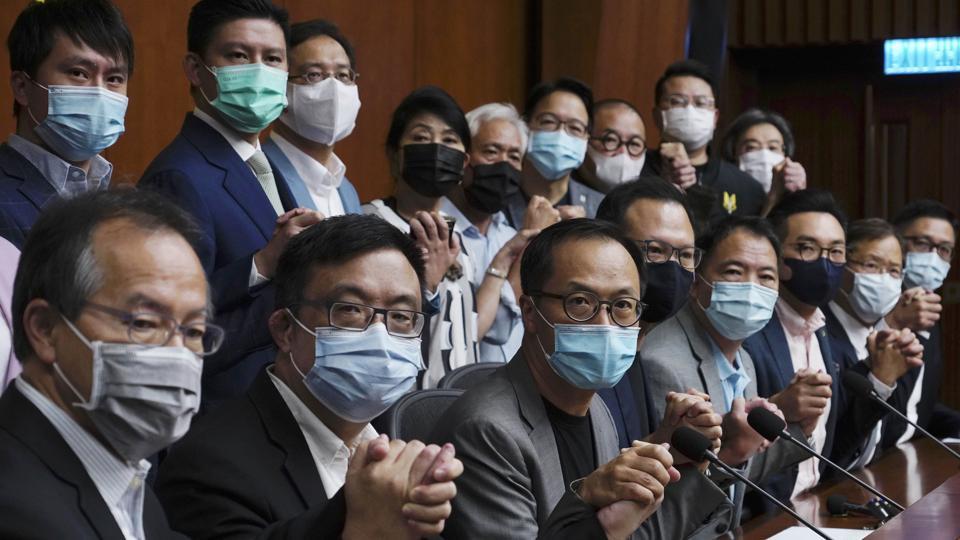
This was part of a slew of measures announced a day after Canada criticised China’s decision to remove four elected pro-democracy lawmakers from the Hong Kong legislature.
“No one will be disqualified from making a legitimate asylum claim in Canada by sole virtue of having been charged under the new national security law,” Marco Mendicino, minister of immigration, refugees and citizenship, told reporters.
Canada will now allow residents of Hong Kong who have recently completed post-secondary studies to apply for open work permit for up to three years. It has also created a new pathway to permanent residency for Hong Kongers who are in Canada and meet specific eligibility criteria like minimum language and education levels and a year of work experience in the country. This opportunity will come into effect next year.
Another pathway will expedite study permits to residents of Hong Kong, and offer a “dedicated” route to permanent residency to those who complete their studies.
The Canadian government is also expediting issuance of required documents to Canadians and Canadian permanent residents in Hong Kong, and to “speed up processing of permanent residence applications, including family sponsorship, which will benefit Hong Kong residents, and to encourage Hong Kong youth to study or work in Canada,” according to a release from Immigration, Refugees and Citizenship Canada (IRCC).
Mendicino “reassured Canadians and Canadian permanent residents in Hong Kong that they can return to Canada at any time, and any documents they require will be expedited.”
“We find ourselves at a challenging moment. Canada remains deeply concerned about China’s passage of the new national security law,” he said.
“We have unequivocally stated that this legislation and the unilateral powers within it are in direct conflict with China’s international obligations.”
Earlier, foreign affairs minister François-Philippe Champagne said in a statement, “China’s decision to remove four democratically elected lawmakers from office in Hong Kong is a further assault on Hong Kong’s high degree of freedoms under the Sino-British Joint Declaration.”
Adding that he was “deeply disappointed”, he said, “This action clearly demonstrates a concerning disregard for Hong Kong’s Basic Law and the high degree of autonomy promised for Hong Kong under the ‘one country, two systems’ framework.”


