
 E-Paper



China slams Dalai Lama, says Beijing will choose Buddhist leader's successor
In his new book, the 14th Dalai Lama claims that his successor would be born in “a free world” which was outside China.

 Prefer HTon Google


China's foreign ministry has criticised the Dalai Lama after he claimed in his new book 'Voice for the Voiceless' that the next spiritual leader of Tibetan Buddhism would be born outside China, reported news agency Reuters.
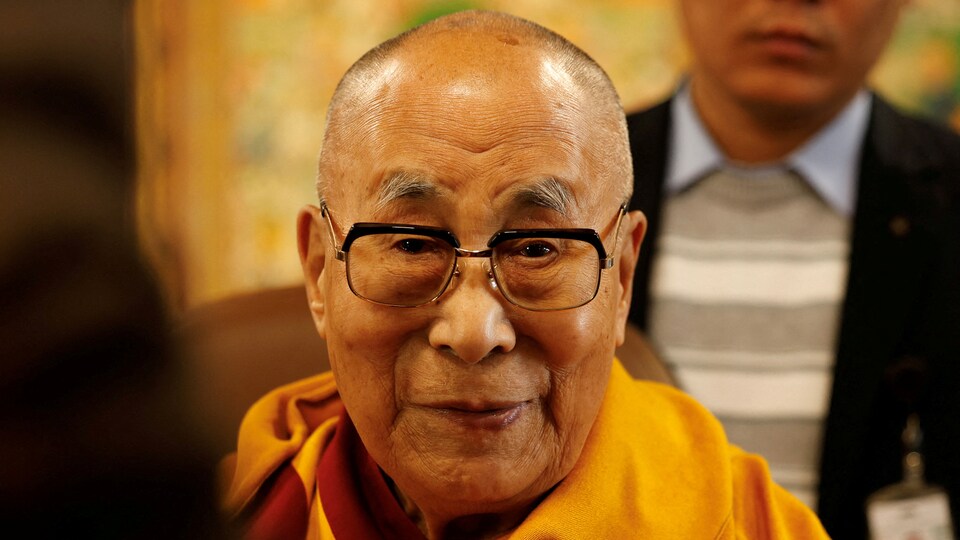
Addressing the leader's claims, it said, “He has no right to represent the people of Tibet. Reincarnations of the living Buddha, including the Dalai Lama, should abide by the regulations of the country.”
Also Read: Centre extends Z-category security cover to Dalai Lama
They added, “Reincarnation is a special tradition of Tibetan Buddhism and the name of the living Buddha of Dalai Lama was identified by the central government.”
When asked about the book at a press conference on Monday, the spokesperson for China's foreign ministry had called the Dalai Lama “a political exile who is engaged in anti-China separatist activities under the cloak of religion.”
Also Read: Dalai Lama’s new book offers insights into decades-long dealings with China
They had also clarified that his opinions did not change China's stance or the development of Tibet. While Chinese authorities have insisted that the government will choose the next spiritual leader, the Dalai Lama has stated that any successor chosen by China would not be respected.
The Dalai Lama's successor
The 14th Dalai Lama, whose name is Tenzin Gyatso, fled to India with thousands of Tibetans in 1959 after a failed uprising against the communist regime of China led by Mao Zedong.
Also Read: Elon Musk reacts to Indian-origin BBC reporter’s old interview with Dalai Lama
In his book, he claims that his successor would be born in “a free world” which was outside China. He had previously also stated that the next Tibetan Buddhist leader, could emerge outside Tibet, such as in India, where he resides.
"The right of the Tibetan people to be the custodians of their own homeland cannot be indefinitely denied, nor can their aspiration for freedom be crushed forever through oppression," he wrote in an excerpt of his book, as quoted by Reuters.
“One clear lesson we know from history is this: if you keep people permanently unhappy, you cannot have a stable society,” he said.


