E-Paper



How Iran's currency crash sparked a nationwide uprising and where could it lead
The protests began on Dec 28 over the collapse of the Iranian rial and soaring prices, but quickly escalated into direct calls challenging the clerical system.

 Prefer HTon Google


Anti-government chants echoed across Tehran late Saturday as thousands of Iranians defied an internet blackout and a heavy security presence, pushing ahead with what activists describe as the largest protest movement the Islamic republic has seen in more than three years.
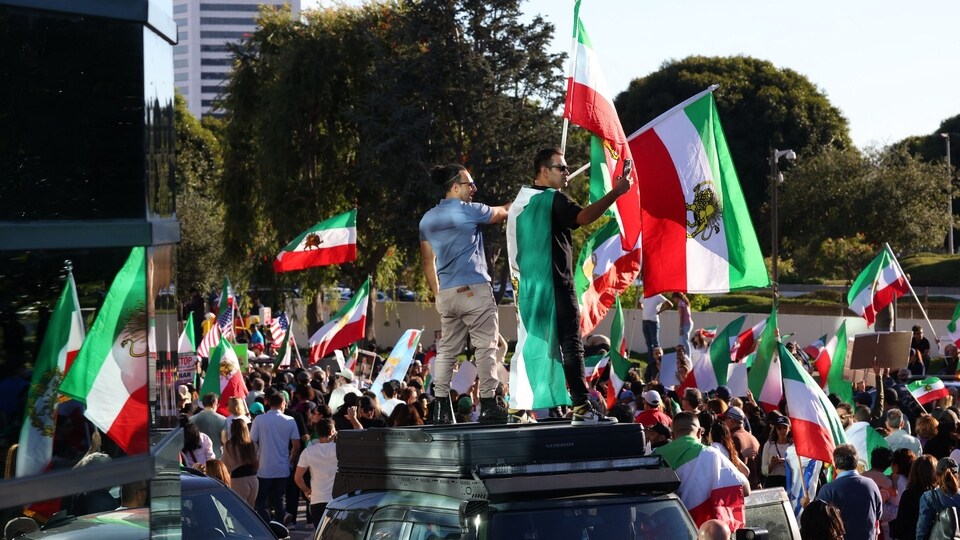
The demonstrations, now entering their second week, have triggered a violent crackdown, sharp international reactions and fresh tensions between Tehran and Washington.
While US President Donald Trump has termed the uprising “freedom” movement, rights groups, cited by the Associated Press, say at least 544 people have been killed so far, most of them protesters.
Also Read | Iran willing to 'negotiate' as Trump weighs military options; death toll crosses 500
The report added that the death toll cannot be independently verified due to severe restrictions on information coming out of the country.
What’s happening in Iran
The protests began on December 28 over the collapse of the Iranian rial and soaring prices, but quickly escalated into direct calls challenging the clerical system that has ruled Iran since the 1979 Islamic Revolution.
Tehran’s currency has plunged to trade at more than 1.4 million rials to the US dollar, while the economy remains squeezed by international sanctions, many of them imposed over Iran’s disputed nuclear programme.
Also Read | Exiled Crown Prince Reza Pahlavi wants Donald Trump to help ‘Make Iran Great Again’ as protests intensify
Demonstrators have taken to the streets at night in Tehran, Mashhad and several other cities, chanting slogans, clapping in unison and waving lit mobile phones. Several unverified footages of the protests have since emerged on social media, showing the large scale of demonstrations.
Online videos, some believed to have been sent using Starlink satellite connections according to AP, showed crowds gathering in Tehran’s Punak neighbourhood, fireworks lighting up the night sky and protesters banging metal objects as streets appeared blocked by authorities.
Footage from Mashhad showed confrontations with security forces, smoke rising from fires and debris-strewn roads.
Also Read | Trump declares himself 'Acting President of Venezuela' days after Maduro capture
One video authenticated by AFP news agency showed dozens of bodies outside a morgue in Kahrizak, south of Tehran. The footage showed bodies wrapped in black bags on the ground, with what appeared to be relatives searching for loved ones. Rights groups said the images point to the scale of the crackdown.
‘Massacre’ under blackout
Earlier, a report in AFP quoting the Center for Human Rights in Iran (CHRI), said it had received “eyewitness accounts and credible reports indicating that hundreds of protesters have been killed across Iran during the current internet shutdown”.
“A massacre is unfolding in Iran. The world must act now to prevent further loss of life,” the rights group added.
Meanwhile, Iranian authorities have accused the US and Israel of stirring unrest and announced a nationwide rally to condemn what state media called “terrorist actions led by the United States and Israel.”
President Masoud Pezeshkian said Iran’s enemies had brought in “terrorists ... who set mosques on fire ... attack banks, and public properties,” blaming Washington and Tel Aviv for masterminding destabilisation.
Trump’s warning: What's next for Iran
As protests intensified, US President Donald Trump said Iran had proposed negotiations after he threatened to strike the Islamic republic over its crackdown on demonstrators.
“The military is looking at it, and we’re looking at some very strong options,” Trump told reporters aboard Air Force One on Sunday night, US media outlets reported. Asked about Iran’s threats of retaliation, he said: “If they do that, we will hit them at levels that they’ve never been hit before.”
Trump said his administration was working to set up a meeting with Tehran but warned that events on the ground could force action first.
Also Read | After Trump's 'freedom' remark, Israel on ‘high alert’ for possible US intervention in Iran
“I think they’re tired of being beat up by the United States,” Trump said. “Iran wants to negotiate.” However, there was no immediate acknowledgement from Iran of any outreach.
According to Reuters, Trump was due to meet senior advisers on Tuesday to discuss options, which media reports said could include military strikes, cyber operations, tighter sanctions and online support for anti-government groups.
Trump also said he would speak to Elon Musk about restoring internet access in Iran through Starlink.
Iran lawmakers' warning
Tehran’s warnings grew sharper during a speech in parliament by Speaker Mohammad Baqer Qalibaf, a hardliner and former Revolutionary Guards commander.
“In the event of an attack on Iran, both the occupied territory and all American military centers, bases and ships in the region will be our legitimate targets,” Qalibaf said, reported Iran International. “We do not consider ourselves limited to reacting after the action and will act based on any objective signs of a threat.”
While it remains unclear how serious Iran is about launching any strike, analysts note that such a decision would rest with Supreme Leader Ayatollah Ali Khamenei, 86. Iran’s air defences were badly damaged during last year’s brief war with Israel, complicating any military response.
(With inputs from AP, AFP, Reuters)