
 E-Paper



Dam burst, 18 inches of rain in 24 hours: How China's 'iPhone city' was flooded
Due to the heavy rains and flooding, inbound flights have been suspended in the city, while rescue operations are underway to evacuate locals to the safe area.

 Prefer HTon Google


The Zhengzhou city in the central province of Henan in China, relocated more around 200,000 people after the torrential rains led to widespread flooding in the city known for the world's biggest production base for Apple iPhones. At least 12 people have also lost their lives, according to a report by the Bloomberg news agency.
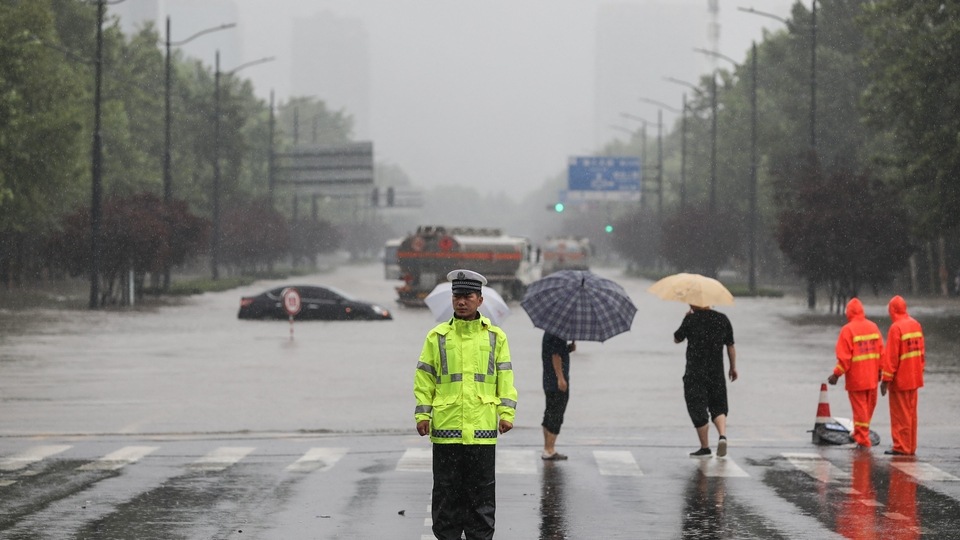
Zhengzhou reportedly saw a record 457.5 millimetres (18 inches) of rainfall in the 24 hours through 5 pm on Tuesday. Due to the heavy rains and flooding, inbound flights have been suspended in the city, while rescue operations are underway to evacuate locals to the safe area.
Several parts of the city also saw loss of power, while roads submerged in the rainwater. Chinese President Xi Jinping declared the deadly flooding "extremely severe", state media reported.
"Some reservoirs had their dams burst... causing serious injury, loss of life and property damage. The flood control situation is extremely severe," Xi was quoted as saying, adding events were at a "critical stage".
The Chinese president has also asked officials to step up disaster relief measures.
The iPhone city
Henan's Zhengzhou city is known to house the largest iPhone-making plant in the world. It is owned by Taiwan's Hon Hai precision Industry Co. The massive flooding has hit the city just as the company is preparing to ramp up production ahead of Apple's launch event for the latest devices.
According to reports, the factory can produce 5,00,000 iPhones a day and is known as "iPhone City" by locals.
The company is now monitoring the situation, a representative was quoted saying by Bloomberg.
The Henan flooding has also worried the authorities as the province is the second-largest food supplier in China. It accounts for about a quarter of the country’s wheat harvest and is a major centre for frozen food production. It is also a key hub for coal and metals.
(With inputs from agencies)


