
 E-Paper



EU proposes universal charger for mobiles: The reason and why Apple is unhappy?
Charging of devices was revolutionised by Universal Serial Bus (USB), which simplified computer connectivity. Initially, the USB-A took the world by storm. But in recent years, users have to choose from micro USB, mini USB, USB type-C and the lightning port used by Apple.

 Prefer HTon Google


The European Union is pushing for the adoption of a universal charging cord for mobile devices that could end the hoarding of different cables to just find the right one. The European Commission, the bloc's executive arm, proposed a legislation on Thursday that would mandate USB-C cables for charging
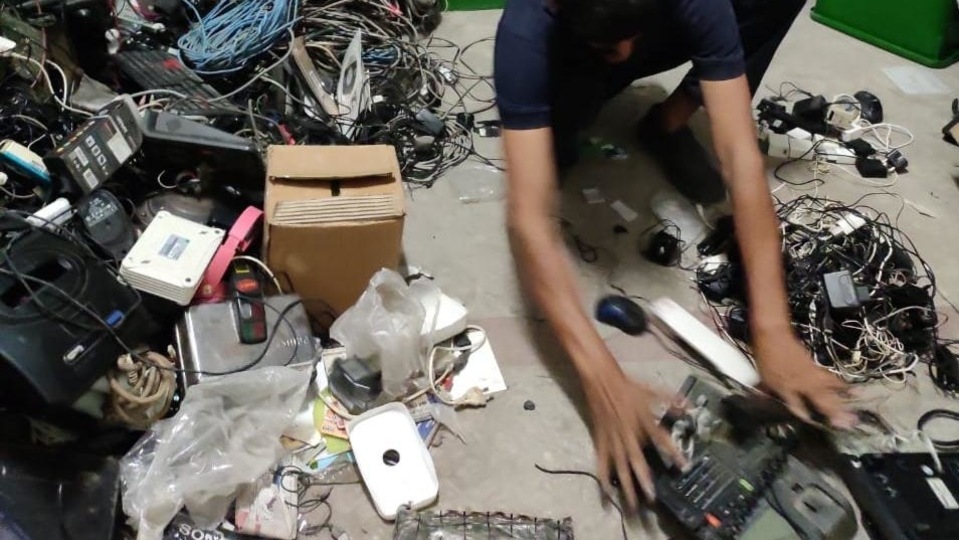
The move is not just to bring cheer to the people who have to search through a heap of cables to find that one cord that would fit their phone, but to reduce the carbon footprint too. The EU wants to cut down on the 11,000 metric tons of electronic waste thrown out every year by Europeans.
The move, however, has been criticised by tech giant Apple, which used its own lightning port for iPhones and some other devices.
What the EU is proposing?
The draft rules call for having a 'universal' charger for devices. It also advocates standardising fast charging technology and giving consumers the right to choose whether to buy new devices with or without a charger. The EU estimates that the move will save consumers 250 million euros (USD 293 million) a year.
The European Commission cited a study which said that the typical EU resident owns at least three chargers, and use two regularly. The study also said that still, 38% of people report were not being able to charge their phones at least once because they couldn’t find a compatible charger.
Is this a sudden move?
No. The EU has been trying to cajole the industry into adopting a common standard for more than a decade, but there has been no success so far. So this time, the bloc is pushing the issue with a proposed legislation.
“Chargers power all our most essential electronic devices. With more and more devices, more and more chargers are sold that are not interchangeable or not necessary. We are putting an end to that,” Thierry Breton, the EU’s internal market commissioner, said on Thursday.
What do the new rules entail?
Companies will get two years to adapt to the new rules once they take effect. The rules would apply only to electronics sold in the European single market's 30 countries, but, like the EU's strict privacy regulations, they could end up becoming a de facto standard for the rest of the world.
Apple speaks out against the proposed move
Apple said it shared the European Commission's commitment to protecting the environment but questioned whether the proposals would help consumers.
“We remain concerned that strict regulation mandating just one type of connector stifles innovation rather than encouraging it, which in turn will harm consumers in Europe and around the world,” the company said in a statement.
What are the different charging standards prevalent today?
Charging of devices was revolutionised by Universal Serial Bus (USB), which simplified computer connectivity. Initially, the USB-A took the world by storm. But in recent years, users have to choose from micro USB, mini USB, USB type-C and the lightning port used by Apple.
While USB-A, which is found on virtually every desktop PC and older laptops, have more internal pins. Type-B, mini and micro reduced the pins but the speed of transferring data increased.


