
 E-Paper


European disunion: A continent that is adrift
Europe may be the most difficult place to form personal bonds at the highest level – the turnover rate for leaders is rapid. This won’t slow down in 2019 and even those European leaders who are around will lack authority.

 Prefer HTon Google


In mid-2017, faced with the likelihood of Britain leaving the European Union, Narendra Modi made a whistlestop tour of the continent. The idea was to develop a new set of relationships within the EU. He met Germany’s Angela Merkel, France’s newly elected Emmanuel Macron, and Spain’s Mariano Rajoy.
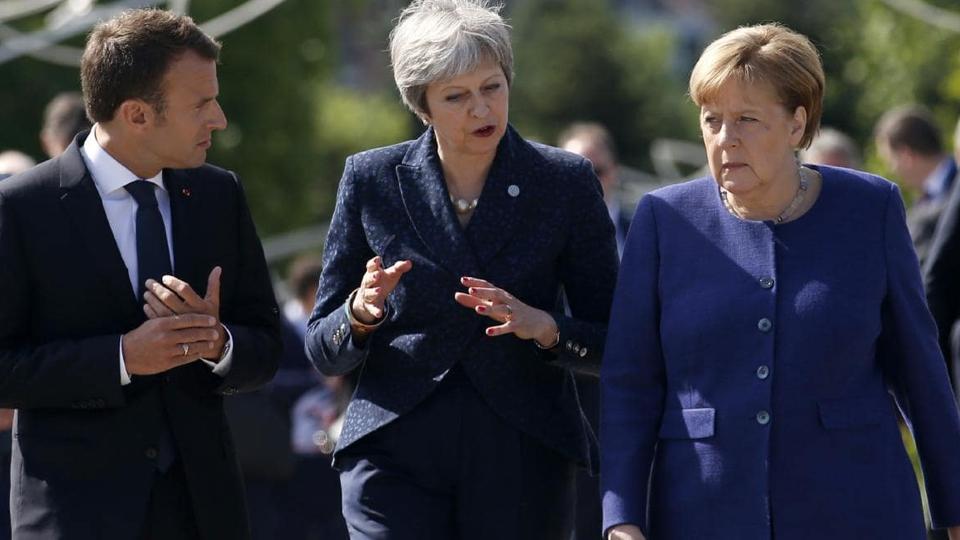
As 2018 came to an end, it would seem Modi would have to make another European tour before long. Rajoy lost a no-confidence motion in June, Merkel said she would step down as party leader in October, and while Macron still has some years left, his December approval rating was a dismal 26%.
Europe may be the most difficult place to form personal bonds at the highest level – the turnover rate for leaders is rapid. This won’t slow down in 2019 and even those European leaders who are around will lack authority.
The first to go may be Italian PM Giuseppe Conte. Conte heads a coalition of leftwing and rightwing populists who have combined big spending and immigrant bashing. Italy, now facing the threat of EU financial sanctions, may tip into recession in a month or two – and change its prime minister.
Also Read: Is it time for the return of coalition politics in India?
Britain’s Theresa May’s future amid the Brexit talks also looks uncertain. German politics is now all about who will succeed Merkel when her term ends in 2021. She and Macron are walking wounded, leaders minus the legitimacy to carry out major policy actions. The French President has time to recover, but not much can be expected out of him in 2019.
This leadership gap also means radical plans to deepen European economic integration are on hold. Merkel, her standing damaged by an anti-immigration party, could not rally her party to support the idea. This has led Macron to give up all fiscal discipline. He has announced plans to throw around money all year to contain the Yellow Jacket street protests. Attempts to negotiate an immigration pact with African countries have been given up because of opposition by rightwing populists in Austria and elsewhere.
Also Read: Brexit deadline knocking, but deal’s still up in the air
Until now, it was nationalist autocrats like Russia’s Vladimir Putin and Hungary’s Viktor Orban who kept their economic books in order, compensating with flag-waving. But in 2019, even they will find it hard to keep their economies afloat as their increasingly repressive ways drive away capital and attracts sanctions.
Henry Kissinger once complained, “Who do I call if I want to call Europe?” In 2019, this will be even less clear as Europe’s largest countries give up on coordinated policy action and focus on doing whatever it takes to keep the street happy.


