
 E-Paper



Ex-French President Nicolas Sarkozy to be released from jail under supervision
During the examination of Nicolas Sarkozy's request in court earlier on Monday, prosecutors had requested that the 70-year-old be freed after 20 days in jail.

 Prefer HTon Google


Former French president Nicolas Sarkozy on Monday was set to be freed from prison after a judge ordered his release from jail pending an appeals trial over Libyan funding.
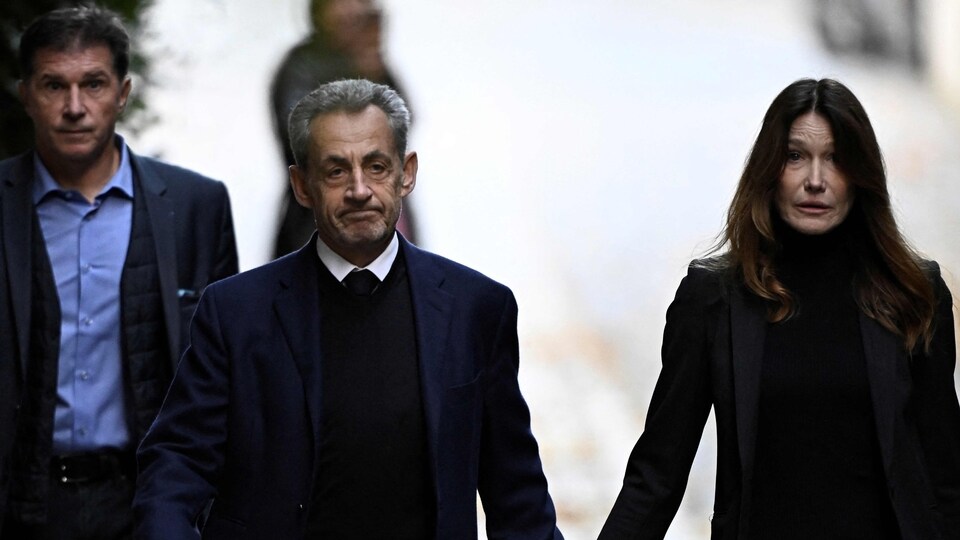
He will be banned from leaving French territory and from having contact with key individuals, including co-defendants and witnesses in the case, the Paris Court of Appeal stated. An appeals trial is expected to take place later, possibly in the spring.
Sarkozy became the first former French head of state in modern times to be sent behind bars after being convicted of criminal conspiracy on September 25 over a plan for late Libyan dictator Muammar Gaddafi to fund his 2007 electoral campaign, which he denies. He was jailed on October 21 pending appeal, but immediately filed for early release.
During the examination of Sarkozy's request in court earlier on Monday, prosecutors had requested that the 70-year-old be freed after 20 days in jail. The former president had called his time in prison a "nightmare".
"I had never imagined I would experience prison at 70. This ordeal was imposed on me, and I lived through it. It’s hard, very hard,” he said.
Sarkozy also paid tribute to prison staff, whom he said had helped him through “this nightmare." Sarkozy’s wife, supermodel-turned-singer Carla Bruni-Sarkozy, and two of his sons attended the hearing at the Paris courthouse.
Other cases against Nicolas Sarkozy
Nicolas Sarkozy, the former president who governed France from 2007 to 2012, faces separate proceedings, including a November 26 ruling by the country’s highest court regarding the illegal financing of his failed 2012 reelection bid, in addition to an ongoing investigation into alleged witness tampering in the Libya case.
He was also found guilty of corruption and influence peddling in 2023 for trying to bribe a magistrate in exchange for information about a legal case in which he was implicated.
France's highest court, the Court of Cassation, later upheld the verdict.


