
 E-Paper



Explained: As Israel heads to elections, Netanyahu's future hangs in balance
71-year-old Netanyahu, who is the longest-serving leader in the history of the country, faces corruption allegations that led to massive protests in the country ahead of the elections.


Israel will hold its fourth election in two years on Tuesday as the incumbent Prime Minister Benjamin Netanyahu and his right-wing Likud party hopes to bank on the country’s success in the Covid-19 vaccination rollout. But 71-year-old Netanyahu, who is the longest-serving leader in the history of the country, faces corruption allegations that led to massive protests in the country ahead of the elections. He also faces the challenge of securing the majority in the elections so that the country can move forth from the past two years of political paralysis and lack of a stable majority.

How are elections in Israel conducted?
Voting in elections in Israel is done for parties and not for individual candidates. The 120 seats in Knesset, the country’s parliament, are distributed among parties as per their share of the national vote, thus making it difficult for any single party to win a majority (61 seats). Therefore, forming alliances post-election is the norm.
What are the major challenges that Netanyahu faces?
Israel is said to have raced out of the pandemic with the vast majority of the country’s population already being inoculated and millions in the country receiving the first jab of the coronavirus vaccine. Since the vaccination began in the country in December last year, new Covid-19 infections are as low as 3 per cent and restrictions that were put in place owing to the pandemic have largely been removed in the country.
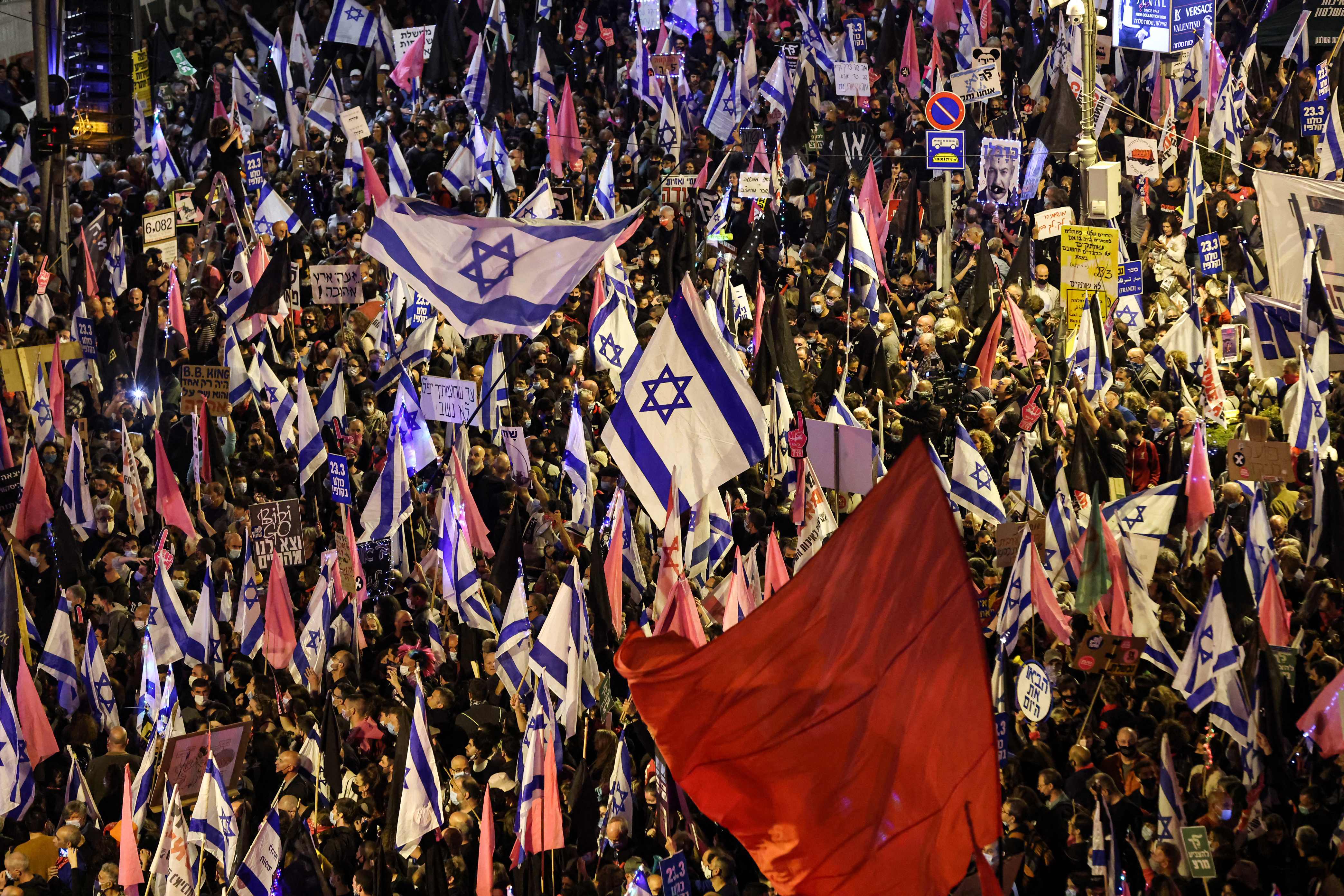
Even though Netanyahu’s government has made significant strides in managing the coronavirus pandemic, he faces major challenges. Netanyahu faces allegations of corruption as his trial on charges of bribery, fraud and breach has already begun and will resume after the elections. He also faces the challenge of reviving the country’s economy which, like other nations in the world, has been hit hard by the pandemic.
Who are Netanyahu’s main rivals in these elections?
Netanyahu’s main challenger from the previous election Benny Gantz is not much of a force to reckon with in these elections. Gantz, who is a former general, joined Netanyahu in a coalition after the previous elections, saying that he was doing so as there was a need for a national unity government. This resulted in the loss of Gantz popularity in the country and polls expect his Blue and White party to not win any seats in these elections.
Netanyahu faces a major challenge from Yair Lapid, who is a former finance minister and TV host who leads the centre-left Yesh Atid party. Gideon Saar, who was a cabinet minister in the government and later quit the Likud party to set up his own New Hope party, is also a serious contender in the polls as his party has the same political interests as that of the Likud. Naftali Bennett, a former aide of Netanyahu and a cabinet minister as well as a high-tech millionaire, is also in the race with his ultra-right Yamina party.
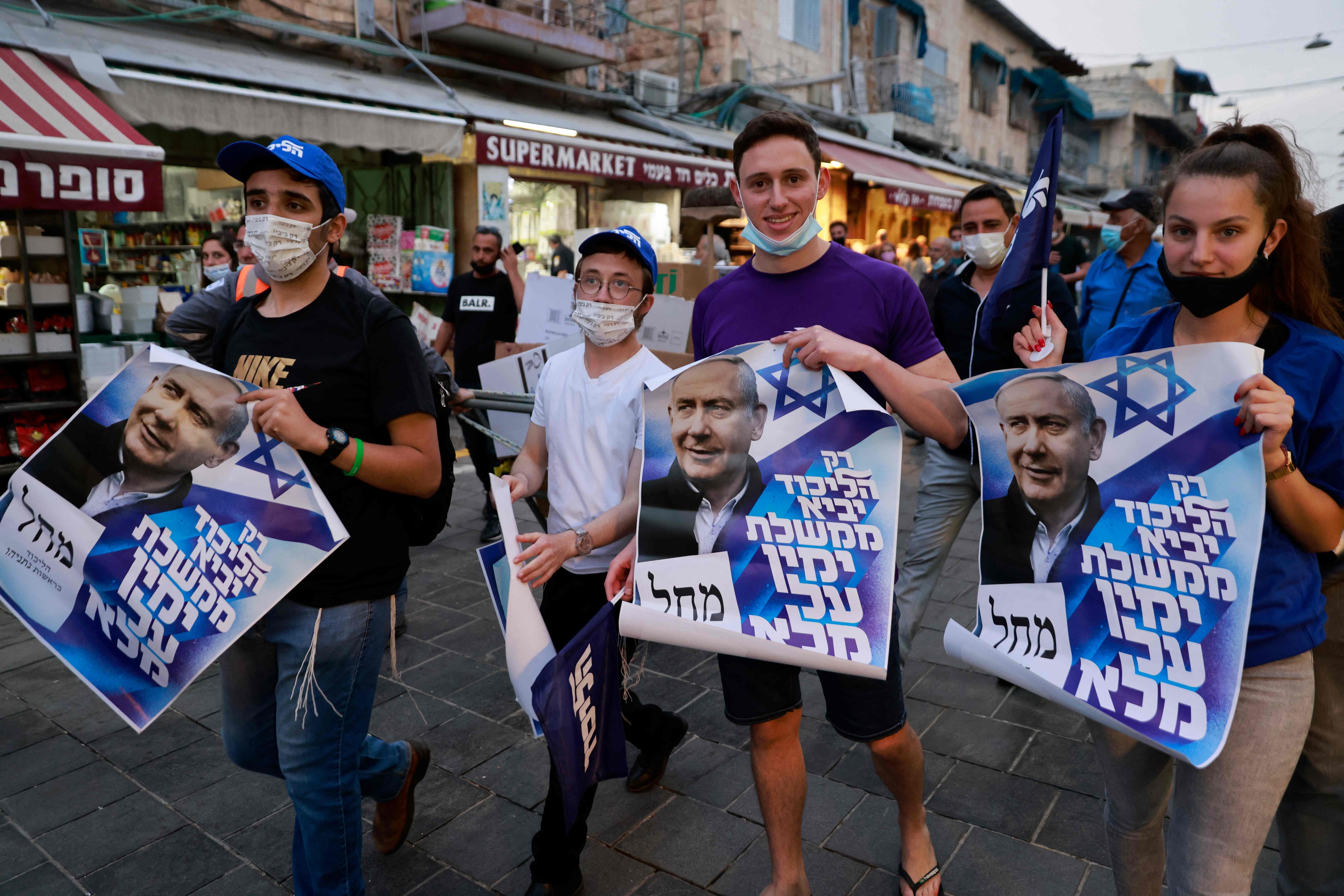
What do the opinion polls say?
The opinion polls have predicted that there will be no clear winner in the elections. In Knesset, most opinion polls predict that Netanyahu’s Likud is expected to emerge as the single biggest party.
What happens if Netanyahu’s party does not emerge as the single-largest party?
Likud will need to emerge as the single-largest party in order to be the driving force of a coalition government. Although, the formation of a coalition government will be difficult as was in the case in the previous three elections.


